
Painting The Return of the Prodigal Son - Rembrandt van Rijn | Art print


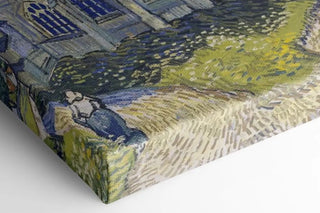
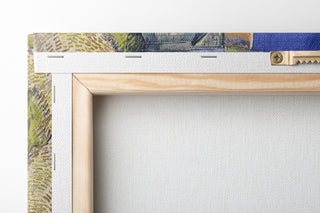
View from behind
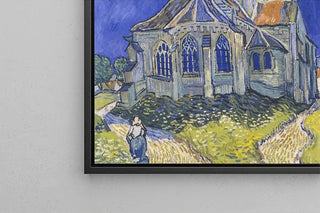
Frame (optional)
The Art print of The Return of the Prodigal Son - Rembrandt van Rijn – Captivating Introduction
The Return of the Prodigal Son, an iconic work by Rembrandt van Rijn, embodies the emotional depth and narrative richness that characterize the Dutch master of the 17th century. This painting, depicting a biblical scene from the Gospel of Luke, evokes universal themes such as forgiveness, redemption, and unconditional love. As viewers contemplate this piece, they are immediately transported to a moment of dramatic tension, where the father figure, welcoming his son with palpable tenderness, invites reflection on the complexity of human relationships. Rembrandt, with his unparalleled talent for capturing the nuances of the soul, manages to render this scene vibrant with life and emotion.
Style and uniqueness of the work
Rembrandt's style is distinguished by his masterful use of light and shadow, a technique known as chiaroscuro. In The Return of the Prodigal Son, he skillfully plays with contrasts, illuminating the father's face and the son's body while shrouding the other characters in suggestive darkness. This technique not only creates a striking visual effect but also enhances the dramatic tension of the scene. The carefully rendered expressions of the characters reveal a range of emotions from joy to suffering, capturing the very essence of the human condition. The composition, centered on the embrace between the father and the son, creates a powerful focal point, while the meticulous details of clothing and faces add an almost tactile dimension to the work.
The artist and his influence
Rembrandt van Rijn, often regarded as one of the greatest painters in art history, left a lasting mark through his innovative approach and deep commitment to humanity. Born in Leiden in 1606, he experienced periods of dazzling success and personal tragedies, experiences that profoundly influenced his oeuvre. His ability to explore themes of vulnerability and human dignity paved the way for many subsequent artists. The Return of the Prodigal Son, created around 1669, represents the peak of his career, both technically and thematically.
Painting The Return of the Prodigal Son - Rembrandt van Rijn | Art print

-10% FROM €95 IN PURCHASES
-15% FROM €195 IN PURCHASES
Regular price
- Unit price
- per
Tax included.
Free shipping
€4.90 / Free shipping on orders over €39
Satisfied or Money Back
Free returns within 30 days
10-year warranty
Our prints are guaranteed for 10 years
Any questions? We are here!
by email to contact@artemlegrand.com
THE STEPS OF YOUR ORDER

STEP 1 - ORDER PLACED
Your order has been confirmed and we are starting production
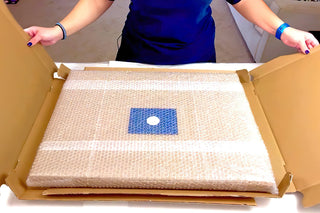
STEP 2 - SHIPPING
We ship your order. We send you an email to track the progress

STEP 3 - DELIVERY
You receive your order. You can also, according to your choice, be delivered to a relay point.
Matte finish
View from behind
Frame (optional)
The Art print of The Return of the Prodigal Son - Rembrandt van Rijn – Captivating Introduction
The Return of the Prodigal Son, an iconic work by Rembrandt van Rijn, embodies the emotional depth and narrative richness that characterize the Dutch master of the 17th century. This painting, depicting a biblical scene from the Gospel of Luke, evokes universal themes such as forgiveness, redemption, and unconditional love. As viewers contemplate this piece, they are immediately transported to a moment of dramatic tension, where the father figure, welcoming his son with palpable tenderness, invites reflection on the complexity of human relationships. Rembrandt, with his unparalleled talent for capturing the nuances of the soul, manages to render this scene vibrant with life and emotion.
Style and uniqueness of the work
Rembrandt's style is distinguished by his masterful use of light and shadow, a technique known as chiaroscuro. In The Return of the Prodigal Son, he skillfully plays with contrasts, illuminating the father's face and the son's body while shrouding the other characters in suggestive darkness. This technique not only creates a striking visual effect but also enhances the dramatic tension of the scene. The carefully rendered expressions of the characters reveal a range of emotions from joy to suffering, capturing the very essence of the human condition. The composition, centered on the embrace between the father and the son, creates a powerful focal point, while the meticulous details of clothing and faces add an almost tactile dimension to the work.
The artist and his influence
Rembrandt van Rijn, often regarded as one of the greatest painters in art history, left a lasting mark through his innovative approach and deep commitment to humanity. Born in Leiden in 1606, he experienced periods of dazzling success and personal tragedies, experiences that profoundly influenced his oeuvre. His ability to explore themes of vulnerability and human dignity paved the way for many subsequent artists. The Return of the Prodigal Son, created around 1669, represents the peak of his career, both technically and thematically.
12,34 €