
Painting The Resurrection of Lazarus - Wendel Dietterlin | Art print


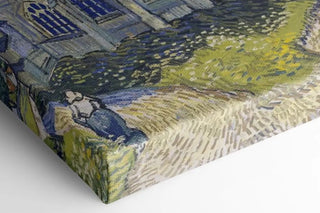
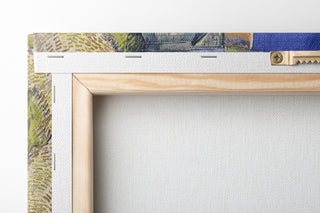
View from behind
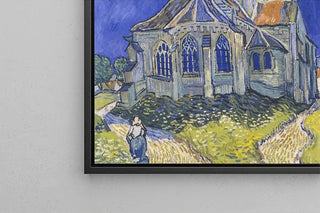
Frame (optional)
Art print of The Resurrection of Lazarus - Wendel Dietterlin – Captivating Introduction
In the fascinating universe of art history, some works transcend their era to become timeless witnesses to the human condition. "The Resurrection of Lazarus" by Wendel Dietterlin fits into this tradition, offering a powerful and emotive vision of the resurrection, a theme dear to the Christian tradition. This piece, both dramatic and full of life, captures the moment when the miracle occurs, revealing the complex emotions of the characters and the scene's intensity. The depiction of Lazarus, emerging from death, invites reflection on life, death, and faith, making it a centerpiece for any art collection.
Style and uniqueness of the work
Dietterlin's style is distinguished by an approach that is both realistic and symbolic. In "The Resurrection of Lazarus," the artist uses vivid colors and striking contrasts to emphasize the scene's dramatization. The faces of the characters, imbued with deep humanity, testify to the anxiety, wonder, and faith that inhabit them. Every detail, from the movement of the drapes to facial expressions, is carefully studied to create a palpable atmosphere. The work does not merely depict a biblical event; it invites the viewer to immerse themselves in an emotional experience. Light also plays a crucial role, illuminating Lazarus and creating a halo around him, symbolizing renewed life. This masterful use of light and shadow is characteristic of the baroque style, which seeks to capture the very essence of human emotion.
The artist and his influence
Wendel Dietterlin, though less known than some of his contemporaries, left an indelible mark on the art world. Active at the end of the 16th century, he managed to blend Renaissance and baroque influences to create a work that still resonates today. His work is marked by a constant pursuit of beauty and harmony, as well as a deep understanding of spiritual themes. Dietterlin also played a key role in spreading artistic ideas across Europe, inspiring
Painting The Resurrection of Lazarus - Wendel Dietterlin | Art print

-10% FROM €95 IN PURCHASES
-15% FROM €195 IN PURCHASES
Regular price
- Unit price
- per
Tax included.
Free shipping
€4.90 / Free shipping on orders over €39
Satisfied or Money Back
Free returns within 30 days
10-year warranty
Our prints are guaranteed for 10 years
Any questions? We are here!
by email to contact@artemlegrand.com
THE STEPS OF YOUR ORDER
STEP 1 - ORDER PLACED
Your order has been confirmed and we are starting production
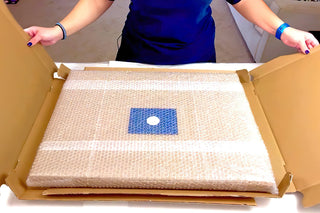
STEP 2 - SHIPPING
We ship your order. We send you an email to track the progress

STEP 3 - DELIVERY
You receive your order. You can also, according to your choice, be delivered to a relay point.
Matte finish
View from behind
Frame (optional)
Art print of The Resurrection of Lazarus - Wendel Dietterlin – Captivating Introduction
In the fascinating universe of art history, some works transcend their era to become timeless witnesses to the human condition. "The Resurrection of Lazarus" by Wendel Dietterlin fits into this tradition, offering a powerful and emotive vision of the resurrection, a theme dear to the Christian tradition. This piece, both dramatic and full of life, captures the moment when the miracle occurs, revealing the complex emotions of the characters and the scene's intensity. The depiction of Lazarus, emerging from death, invites reflection on life, death, and faith, making it a centerpiece for any art collection.
Style and uniqueness of the work
Dietterlin's style is distinguished by an approach that is both realistic and symbolic. In "The Resurrection of Lazarus," the artist uses vivid colors and striking contrasts to emphasize the scene's dramatization. The faces of the characters, imbued with deep humanity, testify to the anxiety, wonder, and faith that inhabit them. Every detail, from the movement of the drapes to facial expressions, is carefully studied to create a palpable atmosphere. The work does not merely depict a biblical event; it invites the viewer to immerse themselves in an emotional experience. Light also plays a crucial role, illuminating Lazarus and creating a halo around him, symbolizing renewed life. This masterful use of light and shadow is characteristic of the baroque style, which seeks to capture the very essence of human emotion.
The artist and his influence
Wendel Dietterlin, though less known than some of his contemporaries, left an indelible mark on the art world. Active at the end of the 16th century, he managed to blend Renaissance and baroque influences to create a work that still resonates today. His work is marked by a constant pursuit of beauty and harmony, as well as a deep understanding of spiritual themes. Dietterlin also played a key role in spreading artistic ideas across Europe, inspiring
12,34 €