
Painting The Reaper - Julien Dupré | Art print


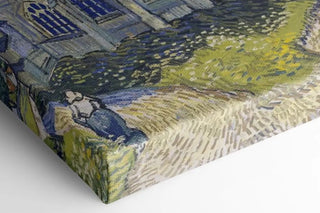
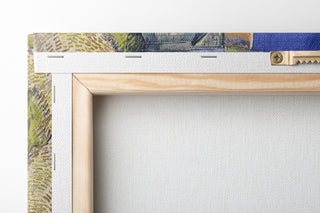
View from behind
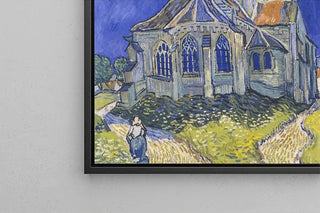
Frame (optional)
Le Faucheur - Julien Dupré – Captivating Introduction
In the world of art, certain works manage to capture the very essence of humanity and its interaction with nature. "Le Faucheur" by Julien Dupré is one of those iconic pieces that evoke deep reflection on agricultural labor and the relationship between man and land. This painting, blending realism and poetry, immerses us in the rural universe of the 19th century, an era when agriculture was at the heart of daily life. Through the depiction of a reaper in full action, Dupré invites us to contemplate not only the physical effort of the man but also the beauty of the surrounding landscape, creating a scene imbued with serenity and dignity.
Style and uniqueness of the work
Julien Dupré's style is distinguished by his meticulous attention to detail and his ability to capture light in his works. "Le Faucheur" is characterized by vibrant colors and delicate nuances that bring the scene to life. The reaper, dressed simply yet authentically, is portrayed in a moment of intense concentration, his face marked by effort, while his movements are fluid and natural. The composition is carefully balanced, with golden fields stretching as far as the eye can see, inviting the viewer to feel the warmth of the sun and the scent of the harvest. Dupré succeeds in immortalizing a moment of rural life, transforming a daily task into a sublime work of art, where harmony between man and his environment is highlighted.
The artist and his influence
Julien Dupré, born in 1851, was a French painter whose work significantly contributed to the evolution of rural art in the 19th century. Raised in a family of farmers, he developed a particular sensitivity to the rural world, which he was able to translate with great authenticity in his paintings. Influenced by the realist movement, Dupré moved away from romantic ideals to focus on a faithful representation of peasant life. His work inspired many contemporary and later artists, who saw in him a pioneer in depicting the daily life of workers. Through "Le Fauche
Painting The Reaper - Julien Dupré | Art print

-10% FROM €95 IN PURCHASES
-15% FROM €195 IN PURCHASES
Regular price
- Unit price
- per
Tax included.
Free shipping
€4.90 / Free shipping on orders over €39
Satisfied or Money Back
Free returns within 30 days
10-year warranty
Our prints are guaranteed for 10 years
Any questions? We are here!
by email to contact@artemlegrand.com
THE STEPS OF YOUR ORDER

STEP 1 - ORDER PLACED
Your order has been confirmed and we are starting production
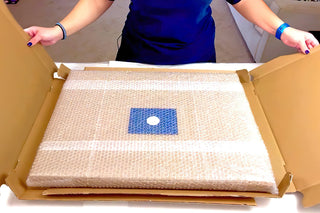
STEP 2 - SHIPPING
We ship your order. We send you an email to track the progress

STEP 3 - DELIVERY
You receive your order. You can also, according to your choice, be delivered to a relay point.
Matte finish
View from behind
Frame (optional)
Le Faucheur - Julien Dupré – Captivating Introduction
In the world of art, certain works manage to capture the very essence of humanity and its interaction with nature. "Le Faucheur" by Julien Dupré is one of those iconic pieces that evoke deep reflection on agricultural labor and the relationship between man and land. This painting, blending realism and poetry, immerses us in the rural universe of the 19th century, an era when agriculture was at the heart of daily life. Through the depiction of a reaper in full action, Dupré invites us to contemplate not only the physical effort of the man but also the beauty of the surrounding landscape, creating a scene imbued with serenity and dignity.
Style and uniqueness of the work
Julien Dupré's style is distinguished by his meticulous attention to detail and his ability to capture light in his works. "Le Faucheur" is characterized by vibrant colors and delicate nuances that bring the scene to life. The reaper, dressed simply yet authentically, is portrayed in a moment of intense concentration, his face marked by effort, while his movements are fluid and natural. The composition is carefully balanced, with golden fields stretching as far as the eye can see, inviting the viewer to feel the warmth of the sun and the scent of the harvest. Dupré succeeds in immortalizing a moment of rural life, transforming a daily task into a sublime work of art, where harmony between man and his environment is highlighted.
The artist and his influence
Julien Dupré, born in 1851, was a French painter whose work significantly contributed to the evolution of rural art in the 19th century. Raised in a family of farmers, he developed a particular sensitivity to the rural world, which he was able to translate with great authenticity in his paintings. Influenced by the realist movement, Dupré moved away from romantic ideals to focus on a faithful representation of peasant life. His work inspired many contemporary and later artists, who saw in him a pioneer in depicting the daily life of workers. Through "Le Fauche
12,34 €