
Art print Les escargots ptérygoïdes Strombea Pl11 - Heinrich Carl Küster


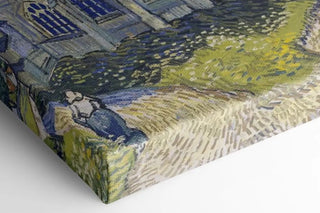
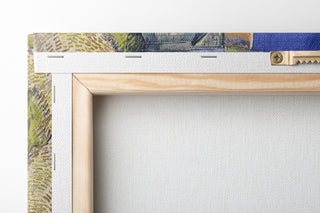
View from behind
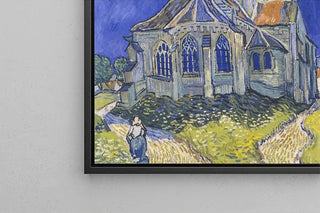
Frame (optional)
Art print Les escargots ptérygoïdes Strombea Pl11 - Heinrich Carl Küster – Engaging Introduction
In the vast panorama of art history, certain works stand out for their ability to capture the collective imagination and evoke deep emotions. "Les escargots ptérygoïdes Strombea Pl11" by Heinrich Carl Küster is one of those creations that, through its uniqueness, invites an exploration of the subtleties of nature. This piece, which evokes a world as fascinating as it is mysterious, immerses us in a universe where organic beauty blends with meticulously crafted aesthetics. By delving into this work, the viewer is transported to the heart of a dialogue between art and biology, revealing the interconnectedness between humans and their environment.
Style and uniqueness of the work
Küster's style is characterized by an approach that is both realistic and poetic. In "Les escargots ptérygoïdes Strombea Pl11," the artist manages to capture the delicacy and complexity of natural forms. The snails, depicted with meticulous precision, seem almost to come to life under the artist's brushes. This art print is distinguished by its vibrant colors and rich textures, which create an immersive atmosphere. Light plays a crucial role in this composition, highlighting the details of the shells and bodies, while the blurred background allows focus on the protagonists of this scene. Küster thus succeeds in transcending the simple naturalist motif to offer a meditation on the ephemeral beauty of nature.
The artist and his influence
Heinrich Carl Küster, an emblematic figure of 19th-century naturalist art, knew how to mark his era with his commitment to faithful representation of the natural world. His passion for botany and zoology is reflected in his works, where he combines scientific knowledge with artistic sensitivity. Küster was influenced by the romantic currents of his time, which advocated a return to nature and a celebration of wild beauty. By exploring themes such as the fragility of life and the harmony of forms, he contributed to enriching the artistic discourse of his era. His work continues to inspire many contemporary artists, who
Art print Les escargots ptérygoïdes Strombea Pl11 - Heinrich Carl Küster

-10% FROM €95 IN PURCHASES
-15% FROM €195 IN PURCHASES
Regular price
- Unit price
- per
Tax included.
Free shipping
€4.90 / Free shipping on orders over €39
Satisfied or Money Back
Free returns within 30 days
10-year warranty
Our prints are guaranteed for 10 years
Any questions? We are here!
by email to contact@artemlegrand.com
THE STEPS OF YOUR ORDER

STEP 1 - ORDER PLACED
Your order has been confirmed and we are starting production
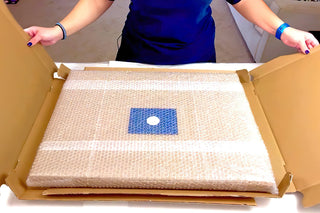
STEP 2 - SHIPPING
We ship your order. We send you an email to track the progress

STEP 3 - DELIVERY
You receive your order. You can also, according to your choice, be delivered to a relay point.
Matte finish
View from behind
Frame (optional)
Art print Les escargots ptérygoïdes Strombea Pl11 - Heinrich Carl Küster – Engaging Introduction
In the vast panorama of art history, certain works stand out for their ability to capture the collective imagination and evoke deep emotions. "Les escargots ptérygoïdes Strombea Pl11" by Heinrich Carl Küster is one of those creations that, through its uniqueness, invites an exploration of the subtleties of nature. This piece, which evokes a world as fascinating as it is mysterious, immerses us in a universe where organic beauty blends with meticulously crafted aesthetics. By delving into this work, the viewer is transported to the heart of a dialogue between art and biology, revealing the interconnectedness between humans and their environment.
Style and uniqueness of the work
Küster's style is characterized by an approach that is both realistic and poetic. In "Les escargots ptérygoïdes Strombea Pl11," the artist manages to capture the delicacy and complexity of natural forms. The snails, depicted with meticulous precision, seem almost to come to life under the artist's brushes. This art print is distinguished by its vibrant colors and rich textures, which create an immersive atmosphere. Light plays a crucial role in this composition, highlighting the details of the shells and bodies, while the blurred background allows focus on the protagonists of this scene. Küster thus succeeds in transcending the simple naturalist motif to offer a meditation on the ephemeral beauty of nature.
The artist and his influence
Heinrich Carl Küster, an emblematic figure of 19th-century naturalist art, knew how to mark his era with his commitment to faithful representation of the natural world. His passion for botany and zoology is reflected in his works, where he combines scientific knowledge with artistic sensitivity. Küster was influenced by the romantic currents of his time, which advocated a return to nature and a celebration of wild beauty. By exploring themes such as the fragility of life and the harmony of forms, he contributed to enriching the artistic discourse of his era. His work continues to inspire many contemporary artists, who
12,34 €