
Painting The Presentation at the Temple - Luca Longhi | Art print


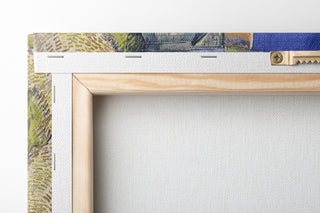
View from behind
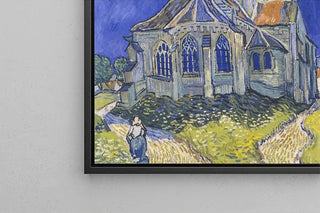
Frame (optional)
The Presentation at the Temple - Luca Longhi – Captivating Introduction
Luca Longhi's The Presentation at the Temple is an iconic artwork that immerses the viewer in a pivotal moment of the biblical narrative. This painting, depicting the scene where Mary and Joseph present their son Jesus at the Temple, exudes an atmosphere of serenity intertwined with palpable spiritual intensity. The composition, rich in detail and emotion, invites deep contemplation. Longhi, with his unparalleled talent, manages to capture not only the beauty of the characters but also the profound meaning of this sacred event. Every gaze, every gesture is carefully orchestrated to tell a timeless story, making this piece a true invitation to reflect on faith and devotion.
Style and uniqueness of the artwork
Luca Longhi's style is distinguished by fine brushwork and a delicate color palette that evoke softness and divine light. In The Presentation at the Temple, the artist employs subtle nuances to create an atmosphere that is both warm and solemn. The figures are depicted with great expressiveness, their faces reflecting a range of emotions from joy to reverence. The composition is carefully balanced, with particular attention paid to the arrangement of figures and perspective, guiding the viewer's eye through the scene. Longhi succeeds in blending realism and symbolism, making each element of the work meaningful. The richness of details, from the drapery of clothing to the architectural ornaments of the Temple, demonstrates his skill in representing the complexity of reality while transcending the everyday through a spiritual dimension.
The artist and his influence
Luca Longhi, born in Ravenna in the 16th century, is a major figure of the Italian Renaissance. His work is marked by the influence of great masters of his time, such as Raphael and Titian, but he developed a distinctive style that gives him a unique place in art history. Longhi combined oil painting techniques with a narrative approach that is uniquely his own, creating scenes full of life and movement. His work has influenced many contemporary and later artists, who saw in him a model of virtuosity and
Painting The Presentation at the Temple - Luca Longhi | Art print

-10% FROM €95 IN PURCHASES
-15% FROM €195 IN PURCHASES
Regular price
- Unit price
- per
Tax included.
Free shipping
€4.90 / Free shipping on orders over €39
Satisfied or Money Back
Free returns within 30 days
10-year warranty
Our prints are guaranteed for 10 years
Any questions? We are here!
by email to contact@artemlegrand.com
THE STEPS OF YOUR ORDER

STEP 1 - ORDER PLACED
Your order has been confirmed and we are starting production

STEP 2 - SHIPPING
We ship your order. We send you an email to track the progress

STEP 3 - DELIVERY
You receive your order. You can also, according to your choice, be delivered to a relay point.
Matte finish
View from behind
Frame (optional)
The Presentation at the Temple - Luca Longhi – Captivating Introduction
Luca Longhi's The Presentation at the Temple is an iconic artwork that immerses the viewer in a pivotal moment of the biblical narrative. This painting, depicting the scene where Mary and Joseph present their son Jesus at the Temple, exudes an atmosphere of serenity intertwined with palpable spiritual intensity. The composition, rich in detail and emotion, invites deep contemplation. Longhi, with his unparalleled talent, manages to capture not only the beauty of the characters but also the profound meaning of this sacred event. Every gaze, every gesture is carefully orchestrated to tell a timeless story, making this piece a true invitation to reflect on faith and devotion.
Style and uniqueness of the artwork
Luca Longhi's style is distinguished by fine brushwork and a delicate color palette that evoke softness and divine light. In The Presentation at the Temple, the artist employs subtle nuances to create an atmosphere that is both warm and solemn. The figures are depicted with great expressiveness, their faces reflecting a range of emotions from joy to reverence. The composition is carefully balanced, with particular attention paid to the arrangement of figures and perspective, guiding the viewer's eye through the scene. Longhi succeeds in blending realism and symbolism, making each element of the work meaningful. The richness of details, from the drapery of clothing to the architectural ornaments of the Temple, demonstrates his skill in representing the complexity of reality while transcending the everyday through a spiritual dimension.
The artist and his influence
Luca Longhi, born in Ravenna in the 16th century, is a major figure of the Italian Renaissance. His work is marked by the influence of great masters of his time, such as Raphael and Titian, but he developed a distinctive style that gives him a unique place in art history. Longhi combined oil painting techniques with a narrative approach that is uniquely his own, creating scenes full of life and movement. His work has influenced many contemporary and later artists, who saw in him a model of virtuosity and
12,34 €