
Painting The painter Joseph Rösel - Martin Knoller | Art print


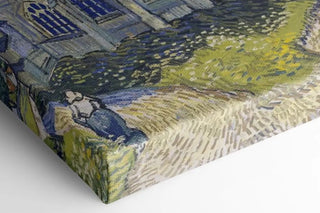
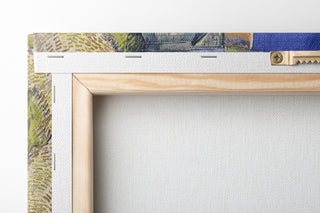
View from behind
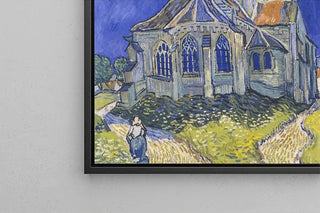
Frame (optional)
In the fascinating universe of art, some works manage to capture not only the essence of their subject but also the spirit of an era. "The painter Joseph Rösel - Martin Knoller" is one of those creations that transports us to the heart of the 18th century, a period rich in artistic and cultural upheavals. Through this piece, the viewer is invited to discover not only the portrait of a man but also a reflection on identity, profession, and art itself. The composition, imbued with realism and delicacy, reveals a technical mastery that transcends the simple act of painting to become a true celebration of craftsmanship.
Style and uniqueness of the work
The style of this piece is distinguished by meticulous attention to detail, both in the representation of the subject and in the choice of colors and textures. Martin Knoller, as a portraitist, demonstrates remarkable skill in capturing Joseph Rösel's personality, a painter of his time, while incorporating symbolic elements that enrich the visual narrative. The drapery of his clothing, for example, is rendered with such precision that it almost feels tangible, while the background, sober and elegant, highlights the main subject without distracting. This stylistic choice reflects a sensitivity to harmony and balance, characteristic of Baroque art, while foreshadowing the developments that will mark the following centuries.
The artist and his influence
Martin Knoller, born in 1725, is often regarded as one of the masters of portraiture in Austria. His career, marked by a series of prestigious commissions, demonstrates the importance he was able to establish within the artistic community of his time. Influenced by contemporaries such as Franz Xaver Messerschmidt, Knoller develops a style that combines realism and idealization, creating portraits that go beyond mere representation. His work not only contributed to the rise of portraiture as a genre but also paved the way for new approaches in the art of human depiction. Through his works, he invites the viewer to reflect on the nature of identity and the role of the artist in the
Painting The painter Joseph Rösel - Martin Knoller | Art print

-10% FROM €95 IN PURCHASES
-15% FROM €195 IN PURCHASES
Regular price
- Unit price
- per
Tax included.
Free shipping
€4.90 / Free shipping on orders over €39
Satisfied or Money Back
Free returns within 30 days
10-year warranty
Our prints are guaranteed for 10 years
Any questions? We are here!
by email to contact@artemlegrand.com
THE STEPS OF YOUR ORDER

STEP 1 - ORDER PLACED
Your order has been confirmed and we are starting production
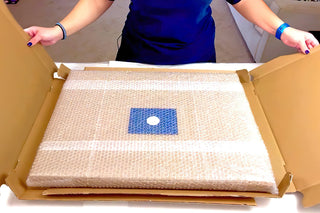
STEP 2 - SHIPPING
We ship your order. We send you an email to track the progress

STEP 3 - DELIVERY
You receive your order. You can also, according to your choice, be delivered to a relay point.
Matte finish
View from behind
Frame (optional)
In the fascinating universe of art, some works manage to capture not only the essence of their subject but also the spirit of an era. "The painter Joseph Rösel - Martin Knoller" is one of those creations that transports us to the heart of the 18th century, a period rich in artistic and cultural upheavals. Through this piece, the viewer is invited to discover not only the portrait of a man but also a reflection on identity, profession, and art itself. The composition, imbued with realism and delicacy, reveals a technical mastery that transcends the simple act of painting to become a true celebration of craftsmanship.
Style and uniqueness of the work
The style of this piece is distinguished by meticulous attention to detail, both in the representation of the subject and in the choice of colors and textures. Martin Knoller, as a portraitist, demonstrates remarkable skill in capturing Joseph Rösel's personality, a painter of his time, while incorporating symbolic elements that enrich the visual narrative. The drapery of his clothing, for example, is rendered with such precision that it almost feels tangible, while the background, sober and elegant, highlights the main subject without distracting. This stylistic choice reflects a sensitivity to harmony and balance, characteristic of Baroque art, while foreshadowing the developments that will mark the following centuries.
The artist and his influence
Martin Knoller, born in 1725, is often regarded as one of the masters of portraiture in Austria. His career, marked by a series of prestigious commissions, demonstrates the importance he was able to establish within the artistic community of his time. Influenced by contemporaries such as Franz Xaver Messerschmidt, Knoller develops a style that combines realism and idealization, creating portraits that go beyond mere representation. His work not only contributed to the rise of portraiture as a genre but also paved the way for new approaches in the art of human depiction. Through his works, he invites the viewer to reflect on the nature of identity and the role of the artist in the
12,34 €