
Painting The Newfoundland Dog - Sydenham Edwards | Art print


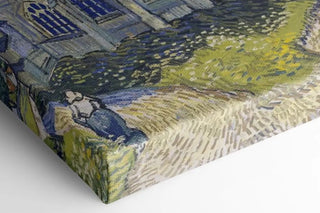
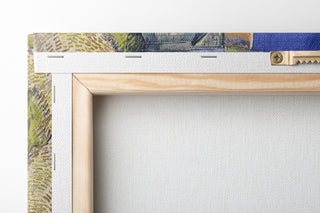
View from behind
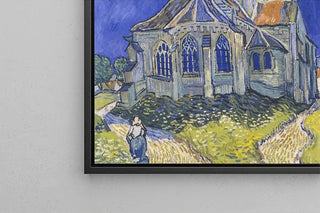
Frame (optional)
Reproduction of The Newfoundland Dog - Sydenham Edwards – Captivating introduction
At the heart of animal art history, the artwork "The Newfoundland Dog" by Sydenham Edwards stands out for its ability to capture the very essence of this majestic animal. This representation, imbued with realism and emotion, invites us to delve into a universe where nature and man meet. Edwards, as an illustrator and naturalist, masterfully combined his love for wildlife with refined artistic technique, bringing his subjects to life with such precision that every glance at his work seems to evoke a deep connection between the observer and the model. The art print of this iconic piece allows for a rediscovery of the beauty of working dogs, while paying homage to the artistic tradition of the 19th century.
Style and uniqueness of the work
Sydenham Edwards' style is characterized by meticulous attention to detail and a color palette that evokes warmth and vibrancy in his subjects. In "The Newfoundland Dog," each hair of the animal is rendered with delicacy, reflecting thorough observation, while the background, often nebulous, highlights the dog without overwhelming it. This piece is not merely an illustration; it is a true ode to natural beauty. Edwards manages to convey a sense of movement and life, as if the dog could come alive at any moment, ready to plunge into turbulent waters. This realism, combined with artistic sensitivity, gives the work a singularity that transcends time and continues to move art lovers.
The artist and his influence
Sydenham Edwards, born in 1775, is often recognized as one of the pioneers of naturalist illustration. His career, marked by a passion for wildlife and flora, led him to collaborate with renowned scientists, notably in botanical publications. Edwards skillfully combined science and art, creating works that are not only aesthetic but also educational. His influence extends beyond his era, inspiring many contemporary artists and illustrators to explore the relationship between man and nature. By highlighting species often overlooked, he contributed
Painting The Newfoundland Dog - Sydenham Edwards | Art print

-10% FROM €95 IN PURCHASES
-15% FROM €195 IN PURCHASES
Regular price
- Unit price
- per
Tax included.
Free shipping
€4.90 / Free shipping on orders over €39
Satisfied or Money Back
Free returns within 30 days
10-year warranty
Our prints are guaranteed for 10 years
Any questions? We are here!
by email to contact@artemlegrand.com
THE STEPS OF YOUR ORDER

STEP 1 - ORDER PLACED
Your order has been confirmed and we are starting production
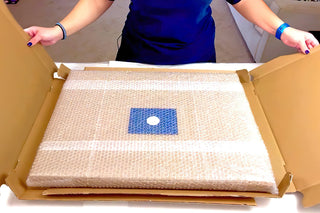
STEP 2 - SHIPPING
We ship your order. We send you an email to track the progress

STEP 3 - DELIVERY
You receive your order. You can also, according to your choice, be delivered to a relay point.
Matte finish
View from behind
Frame (optional)
Reproduction of The Newfoundland Dog - Sydenham Edwards – Captivating introduction
At the heart of animal art history, the artwork "The Newfoundland Dog" by Sydenham Edwards stands out for its ability to capture the very essence of this majestic animal. This representation, imbued with realism and emotion, invites us to delve into a universe where nature and man meet. Edwards, as an illustrator and naturalist, masterfully combined his love for wildlife with refined artistic technique, bringing his subjects to life with such precision that every glance at his work seems to evoke a deep connection between the observer and the model. The art print of this iconic piece allows for a rediscovery of the beauty of working dogs, while paying homage to the artistic tradition of the 19th century.
Style and uniqueness of the work
Sydenham Edwards' style is characterized by meticulous attention to detail and a color palette that evokes warmth and vibrancy in his subjects. In "The Newfoundland Dog," each hair of the animal is rendered with delicacy, reflecting thorough observation, while the background, often nebulous, highlights the dog without overwhelming it. This piece is not merely an illustration; it is a true ode to natural beauty. Edwards manages to convey a sense of movement and life, as if the dog could come alive at any moment, ready to plunge into turbulent waters. This realism, combined with artistic sensitivity, gives the work a singularity that transcends time and continues to move art lovers.
The artist and his influence
Sydenham Edwards, born in 1775, is often recognized as one of the pioneers of naturalist illustration. His career, marked by a passion for wildlife and flora, led him to collaborate with renowned scientists, notably in botanical publications. Edwards skillfully combined science and art, creating works that are not only aesthetic but also educational. His influence extends beyond his era, inspiring many contemporary artists and illustrators to explore the relationship between man and nature. By highlighting species often overlooked, he contributed
12,34 €