
Art print of The Miraculous Transformation of Caterpillars and the Strange Food of Flowers Pl096 - Maria Sibylla Merian


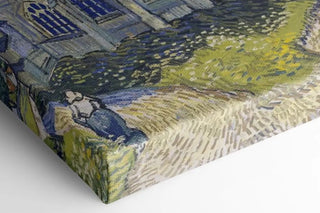
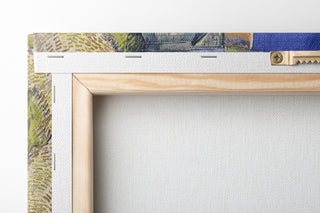
View from behind
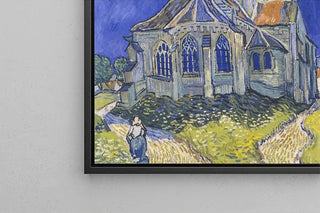
Frame (optional)
In the world of art, some works transcend mere observation to invite a true exploration of nature and its mysterious mechanisms. The miraculous transformation of caterpillars and the strange nourishment of flowers, created by Maria Sibylla Merian, is one of these masterpieces. Through its meticulous details and delicate color palette, this piece immerses us in a universe where the living reveals itself in all its splendor. Merian, a pioneer in the study of insects and botany, offers us a fascinating vision of metamorphosis, capturing the very essence of life and transformation. This work, both scientific and artistic, reminds us of the harmony that exists between different forms of life and the beauty that arises from it.
Style and uniqueness of the work
Maria Sibylla Merian's style is distinguished by its naturalistic approach and attention to detail. Every element of the composition is carefully observed and rendered with remarkable precision. The vibrant colors, ranging from lush greens to bright yellows, create a lively and dynamic atmosphere, almost tangible. Merian does not merely depict caterpillars and flowers; she stages them in a visual dialogue, revealing the delicate interactions between species. Her ability to capture movement and change, especially through insect metamorphosis, gives her work an almost magical dimension. The art print of the miraculous transformation of caterpillars and the strange nourishment of flowers perfectly illustrates this singularity, where every detail, every nuance, tells a story of life and mutation.
The artist and her influence
Maria Sibylla Merian, born in 1647, is an iconic figure in the history of art and science. She was one of the first women to make a name for herself in a male-dominated field, blending art and science with rare finesse. Her work not only contributed to the advancement of entomological knowledge of her time but also paved the way for a new way of seeing nature. Traveling to Suriname, she broadened her horizons and enriched her repertoire with a multitude of new species, consolidating
Art print of The Miraculous Transformation of Caterpillars and the Strange Food of Flowers Pl096 - Maria Sibylla Merian

-10% FROM €95 IN PURCHASES
-15% FROM €195 IN PURCHASES
Regular price
- Unit price
- per
Tax included.
Free shipping
€4.90 / Free shipping on orders over €39
Satisfied or Money Back
Free returns within 30 days
10-year warranty
Our prints are guaranteed for 10 years
Any questions? We are here!
by email to contact@artemlegrand.com
THE STEPS OF YOUR ORDER
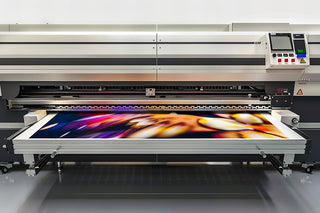
STEP 1 - ORDER PLACED
Your order has been confirmed and we are starting production
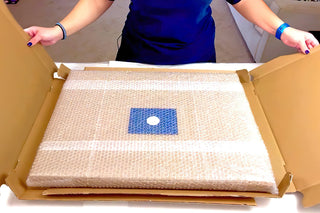
STEP 2 - SHIPPING
We ship your order. We send you an email to track the progress

STEP 3 - DELIVERY
You receive your order. You can also, according to your choice, be delivered to a relay point.
Matte finish
View from behind
Frame (optional)
In the world of art, some works transcend mere observation to invite a true exploration of nature and its mysterious mechanisms. The miraculous transformation of caterpillars and the strange nourishment of flowers, created by Maria Sibylla Merian, is one of these masterpieces. Through its meticulous details and delicate color palette, this piece immerses us in a universe where the living reveals itself in all its splendor. Merian, a pioneer in the study of insects and botany, offers us a fascinating vision of metamorphosis, capturing the very essence of life and transformation. This work, both scientific and artistic, reminds us of the harmony that exists between different forms of life and the beauty that arises from it.
Style and uniqueness of the work
Maria Sibylla Merian's style is distinguished by its naturalistic approach and attention to detail. Every element of the composition is carefully observed and rendered with remarkable precision. The vibrant colors, ranging from lush greens to bright yellows, create a lively and dynamic atmosphere, almost tangible. Merian does not merely depict caterpillars and flowers; she stages them in a visual dialogue, revealing the delicate interactions between species. Her ability to capture movement and change, especially through insect metamorphosis, gives her work an almost magical dimension. The art print of the miraculous transformation of caterpillars and the strange nourishment of flowers perfectly illustrates this singularity, where every detail, every nuance, tells a story of life and mutation.
The artist and her influence
Maria Sibylla Merian, born in 1647, is an iconic figure in the history of art and science. She was one of the first women to make a name for herself in a male-dominated field, blending art and science with rare finesse. Her work not only contributed to the advancement of entomological knowledge of her time but also paved the way for a new way of seeing nature. Traveling to Suriname, she broadened her horizons and enriched her repertoire with a multitude of new species, consolidating
12,34 €