
Art print La transformation miraculeuse des chenilles et l'étrange nourriture des fleurs Pl092 - Maria Sibylla Merian


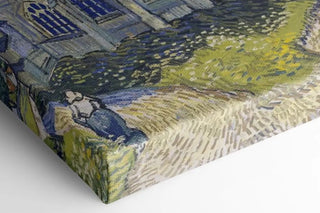
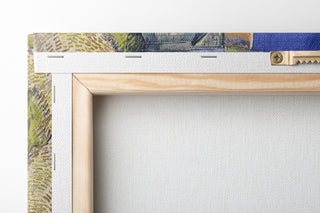
View from behind
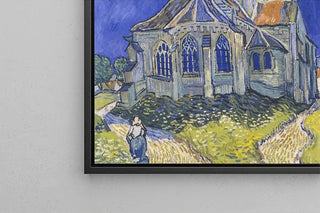
Frame (optional)
In the vast panorama of art history, certain works stand out for their ability to capture the very essence of nature. "The Miraculous Transformation of Caterpillars and the Strange Food of Flowers Pl092" by Maria Sibylla Merian is one of those creations that transcends the simple framework of representation. Through this piece, the artist invites us to delve into a world where the beauty of insects and flowers blends with meticulous scientific observation. Merian, a pioneer in the study of insects, manages to combine art and science, offering a poetic vision of metamorphosis and the interdependence of species. Contemplating this work, the viewer is transported into a universe where every detail seems to tell a story, revealing the hidden wonders of nature.
Style and uniqueness of the work
Merian's style is characterized by remarkable precision and meticulous attention to detail. In this piece, each caterpillar, each flower is depicted with a fidelity that reflects her commitment to direct observation. The vibrant colors and delicate textures of natural elements are rendered with such skill that they almost seem tangible. The artist does not merely reproduce nature; she interprets it, infusing it with an emotional dimension that goes beyond simple illustration. The composition is carefully balanced, with each element occupying a precise place that contributes to the overall harmony of the work. This unique approach highlights the interactions between different species, emphasizing the central theme of transformation and symbiosis.
The artist and her influence
Maria Sibylla Merian, born in 1647, is an iconic figure of the 17th century, whose work marked a turning point in the representation of natural sciences. As a woman in a field dominated by men, she challenged the conventions of her time by engaging in the study of insects and plants. Her journey to South America, where she observed and documented the life of insects in their natural habitat, profoundly influenced her art. Merian is often considered
Art print La transformation miraculeuse des chenilles et l'étrange nourriture des fleurs Pl092 - Maria Sibylla Merian

-10% FROM €95 IN PURCHASES
-15% FROM €195 IN PURCHASES
Regular price
- Unit price
- per
Tax included.
Free shipping
€4.90 / Free shipping on orders over €39
Satisfied or Money Back
Free returns within 30 days
10-year warranty
Our prints are guaranteed for 10 years
Any questions? We are here!
by email to contact@artemlegrand.com
THE STEPS OF YOUR ORDER
STEP 1 - ORDER PLACED
Your order has been confirmed and we are starting production
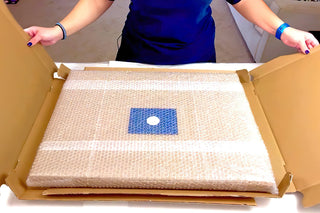
STEP 2 - SHIPPING
We ship your order. We send you an email to track the progress

STEP 3 - DELIVERY
You receive your order. You can also, according to your choice, be delivered to a relay point.
Matte finish
View from behind
Frame (optional)
In the vast panorama of art history, certain works stand out for their ability to capture the very essence of nature. "The Miraculous Transformation of Caterpillars and the Strange Food of Flowers Pl092" by Maria Sibylla Merian is one of those creations that transcends the simple framework of representation. Through this piece, the artist invites us to delve into a world where the beauty of insects and flowers blends with meticulous scientific observation. Merian, a pioneer in the study of insects, manages to combine art and science, offering a poetic vision of metamorphosis and the interdependence of species. Contemplating this work, the viewer is transported into a universe where every detail seems to tell a story, revealing the hidden wonders of nature.
Style and uniqueness of the work
Merian's style is characterized by remarkable precision and meticulous attention to detail. In this piece, each caterpillar, each flower is depicted with a fidelity that reflects her commitment to direct observation. The vibrant colors and delicate textures of natural elements are rendered with such skill that they almost seem tangible. The artist does not merely reproduce nature; she interprets it, infusing it with an emotional dimension that goes beyond simple illustration. The composition is carefully balanced, with each element occupying a precise place that contributes to the overall harmony of the work. This unique approach highlights the interactions between different species, emphasizing the central theme of transformation and symbiosis.
The artist and her influence
Maria Sibylla Merian, born in 1647, is an iconic figure of the 17th century, whose work marked a turning point in the representation of natural sciences. As a woman in a field dominated by men, she challenged the conventions of her time by engaging in the study of insects and plants. Her journey to South America, where she observed and documented the life of insects in their natural habitat, profoundly influenced her art. Merian is often considered
12,34 €