
Art print of The Miraculous Transformation of Caterpillars and the Strange Food of Flowers Pl083 - Maria Sibylla Merian


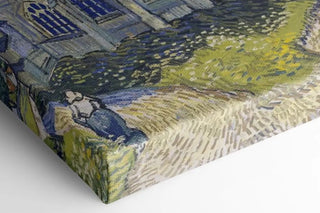
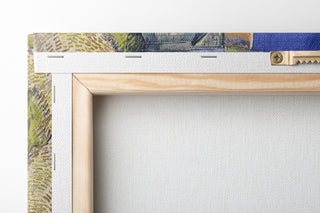
View from behind
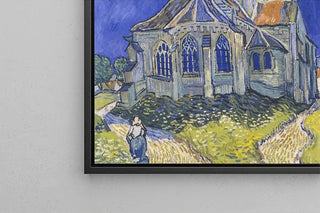
Frame (optional)
In the fascinating universe of art, some works stand out for their ability to capture the essence of nature with unparalleled precision and poetry. The art print La transformation miraculeuse des chenilles et l'étrange nourriture des fleurs Pl083 - Maria Sibylla Merian is a shining example. This piece, created by Maria Sibylla Merian in the 17th century, immerses us in a world where the beauty of insects and flowers blends with emerging scientific knowledge. Merian, a true pioneer, masterfully combined art and science, fostering a dialogue between meticulous observation of nature and visual aesthetics. By contemplating this work, viewers are invited to reflect on the complexity of life cycles and the harmony that exists among different species.
Style and uniqueness of the work
Maria Sibylla Merian's style is characterized by exceptional attention to detail and a subtle use of colors. In La transformation miraculeuse des chenilles et l'étrange nourriture des fleurs, each element is depicted with a precision that demonstrates scrupulous observation. The caterpillars, in their metamorphosis, are highlighted with delicacy that emphasizes their fragility, while the flowers, bursting with life, provide a striking contrast. This art print is not merely a simple painting; it is a visual narrative that invites discovery of the interrelations between species. Merian's compositions are often asymmetrical, creating a dynamism that draws the eye and encourages exploration of every corner of the canvas. Her innovative approach, blending science and art, gave rise to a work that transcends eras, rooted in a tradition of naturalist observation while being deeply embedded in baroque aesthetics.
The artist and her influence
Maria Sibylla Merian is an iconic figure in the history of art and natural sciences. Born in 1647 in Frankfurt, she was one of the first women to make a name for herself in a male-dominated field. Her passion for entomology and botany led her to
Art print of The Miraculous Transformation of Caterpillars and the Strange Food of Flowers Pl083 - Maria Sibylla Merian

-10% FROM €95 IN PURCHASES
-15% FROM €195 IN PURCHASES
Regular price
- Unit price
- per
Tax included.
Free shipping
€4.90 / Free shipping on orders over €39
Satisfied or Money Back
Free returns within 30 days
10-year warranty
Our prints are guaranteed for 10 years
Any questions? We are here!
by email to contact@artemlegrand.com
THE STEPS OF YOUR ORDER
STEP 1 - ORDER PLACED
Your order has been confirmed and we are starting production
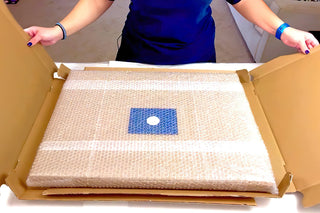
STEP 2 - SHIPPING
We ship your order. We send you an email to track the progress

STEP 3 - DELIVERY
You receive your order. You can also, according to your choice, be delivered to a relay point.
Matte finish
View from behind
Frame (optional)
In the fascinating universe of art, some works stand out for their ability to capture the essence of nature with unparalleled precision and poetry. The art print La transformation miraculeuse des chenilles et l'étrange nourriture des fleurs Pl083 - Maria Sibylla Merian is a shining example. This piece, created by Maria Sibylla Merian in the 17th century, immerses us in a world where the beauty of insects and flowers blends with emerging scientific knowledge. Merian, a true pioneer, masterfully combined art and science, fostering a dialogue between meticulous observation of nature and visual aesthetics. By contemplating this work, viewers are invited to reflect on the complexity of life cycles and the harmony that exists among different species.
Style and uniqueness of the work
Maria Sibylla Merian's style is characterized by exceptional attention to detail and a subtle use of colors. In La transformation miraculeuse des chenilles et l'étrange nourriture des fleurs, each element is depicted with a precision that demonstrates scrupulous observation. The caterpillars, in their metamorphosis, are highlighted with delicacy that emphasizes their fragility, while the flowers, bursting with life, provide a striking contrast. This art print is not merely a simple painting; it is a visual narrative that invites discovery of the interrelations between species. Merian's compositions are often asymmetrical, creating a dynamism that draws the eye and encourages exploration of every corner of the canvas. Her innovative approach, blending science and art, gave rise to a work that transcends eras, rooted in a tradition of naturalist observation while being deeply embedded in baroque aesthetics.
The artist and her influence
Maria Sibylla Merian is an iconic figure in the history of art and natural sciences. Born in 1647 in Frankfurt, she was one of the first women to make a name for herself in a male-dominated field. Her passion for entomology and botany led her to
12,34 €