
Art print La transformation miraculeuse des chenilles et l'étrange nourriture des fleurs Pl064 - Maria Sibylla Merian


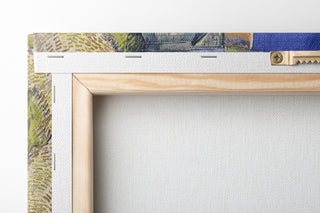
View from behind
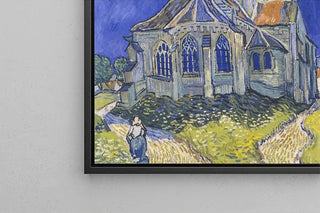
Frame (optional)
In the fascinating universe of art, some works transcend time and space, capturing the very essence of beauty and curiosity. "The Miraculous Transformation of Caterpillars and the Strange Food of Flowers Pl064" by Maria Sibylla Merian is one of those creations that invites the viewer to immerse themselves in a world where nature reveals itself in all its splendor. This piece, both scientific and artistic, bears witness to an era when meticulous observation of living beings intertwined with aesthetic sensitivity. Through striking details, Merian unveils the mysteries of metamorphosis and the delicate harmony between insects and plants, offering a reflection on the cycles of life.
Style and uniqueness of the work
The uniqueness of this piece lies in its ability to blend art and science. Merian, a true pioneer of entomology, does not hesitate to highlight caterpillars, these creatures often overlooked, while placing them within a rich and vibrant floral context. Every element of the composition is carefully thought out, from the vivid colors to the meticulous details of textures. The flowers, depicted with remarkable precision, seem almost tangible, while the caterpillars, with their curved forms, bring a dynamic quality to the whole. This dialogue between species, far from being trivial, reminds us of the interconnectedness of all living beings and the importance of each link in the chain of life. The color palette chosen by Merian evokes a sense of freshness and wonder, making the artwork both soothing and stimulating for the mind.
The artist and her influence
Maria Sibylla Merian, born in 1647, is an iconic figure in the history of art and natural sciences. Her passion for observing insects and plants, which she developed from a young age, led her to undertake study journeys, notably in Suriname, where she discovered a fascinating biodiversity. Her innovative approach, combining scientific rigor with aesthetic sensibility, paved the way for a new way of representing the
Art print La transformation miraculeuse des chenilles et l'étrange nourriture des fleurs Pl064 - Maria Sibylla Merian

-10% FROM €95 IN PURCHASES
-15% FROM €195 IN PURCHASES
Regular price
- Unit price
- per
Tax included.
Free shipping
€4.90 / Free shipping on orders over €39
Satisfied or Money Back
Free returns within 30 days
10-year warranty
Our prints are guaranteed for 10 years
Any questions? We are here!
by email to contact@artemlegrand.com
THE STEPS OF YOUR ORDER
STEP 1 - ORDER PLACED
Your order has been confirmed and we are starting production
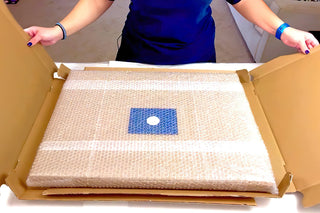
STEP 2 - SHIPPING
We ship your order. We send you an email to track the progress

STEP 3 - DELIVERY
You receive your order. You can also, according to your choice, be delivered to a relay point.
Matte finish
View from behind
Frame (optional)
In the fascinating universe of art, some works transcend time and space, capturing the very essence of beauty and curiosity. "The Miraculous Transformation of Caterpillars and the Strange Food of Flowers Pl064" by Maria Sibylla Merian is one of those creations that invites the viewer to immerse themselves in a world where nature reveals itself in all its splendor. This piece, both scientific and artistic, bears witness to an era when meticulous observation of living beings intertwined with aesthetic sensitivity. Through striking details, Merian unveils the mysteries of metamorphosis and the delicate harmony between insects and plants, offering a reflection on the cycles of life.
Style and uniqueness of the work
The uniqueness of this piece lies in its ability to blend art and science. Merian, a true pioneer of entomology, does not hesitate to highlight caterpillars, these creatures often overlooked, while placing them within a rich and vibrant floral context. Every element of the composition is carefully thought out, from the vivid colors to the meticulous details of textures. The flowers, depicted with remarkable precision, seem almost tangible, while the caterpillars, with their curved forms, bring a dynamic quality to the whole. This dialogue between species, far from being trivial, reminds us of the interconnectedness of all living beings and the importance of each link in the chain of life. The color palette chosen by Merian evokes a sense of freshness and wonder, making the artwork both soothing and stimulating for the mind.
The artist and her influence
Maria Sibylla Merian, born in 1647, is an iconic figure in the history of art and natural sciences. Her passion for observing insects and plants, which she developed from a young age, led her to undertake study journeys, notably in Suriname, where she discovered a fascinating biodiversity. Her innovative approach, combining scientific rigor with aesthetic sensibility, paved the way for a new way of representing the
12,34 €