
Art print of The Miraculous Transformation of Caterpillars and the Strange Food of Flowers Pl044 - Maria Sibylla Merian


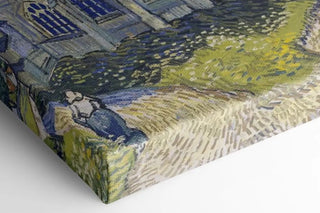
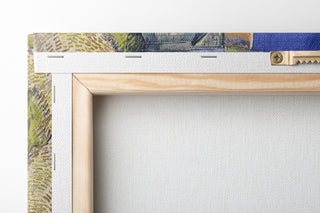
View from behind
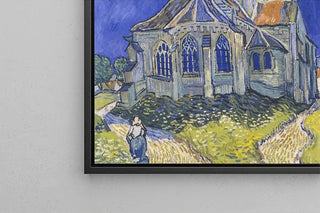
Frame (optional)
In the field of art history, certain works transcend mere representation to become true windows into nature and science. "The Miraculous Transformation of Caterpillars and the Strange Food of Flowers Pl044" by Maria Sibylla Merian is one of those creations that captivates the mind and sparks curiosity. This piece, which stands at the crossroads between art and entomology, immerses us in a universe where the beauty of insects and flowers intertwines harmoniously. Merian, with her keen eye and artistic sensitivity, manages to capture the magic of metamorphosis, a theme dear to naturalists of her time. Contemplating this art print, one is immediately transported into a world of vibrant colors and delicate details, where each element seems to tell a story.
Style and uniqueness of the work
Maria Sibylla Merian's style is both precise and poetic. In "The Miraculous Transformation of Caterpillars and the Strange Food of Flowers Pl044," she deploys a carefully chosen palette of colors that testify to her unparalleled talent for observation. The vibrant nuances of the flowers contrast with the delicate textures of the insects, creating a visually striking composition. Each caterpillar, each flower is rendered with meticulous care that reflects a deep respect for nature. Merian does not merely depict reality; she interprets it, infusing it with an almost magical dimension. The juxtaposition of plant and animal species, as well as the attention paid to their interactions, highlight the harmony that reigns in the natural kingdom. This work stands out for its ability to evoke reflection on the beauty and complexity of life, while celebrating the natural cycle of transformation.
The artist and her influence
Maria Sibylla Merian, a pioneer in the field of entomology, marked her era with her innovative approach and commitment to scientific observation. Born in 1647 in Frankfurt, she managed to establish herself in an artistic environment dominated by men, becoming one of the first female naturalists to achieve
Art print of The Miraculous Transformation of Caterpillars and the Strange Food of Flowers Pl044 - Maria Sibylla Merian

-10% FROM €95 IN PURCHASES
-15% FROM €195 IN PURCHASES
Regular price
- Unit price
- per
Tax included.
Free shipping
€4.90 / Free shipping on orders over €39
Satisfied or Money Back
Free returns within 30 days
10-year warranty
Our prints are guaranteed for 10 years
Any questions? We are here!
by email to contact@artemlegrand.com
THE STEPS OF YOUR ORDER
STEP 1 - ORDER PLACED
Your order has been confirmed and we are starting production
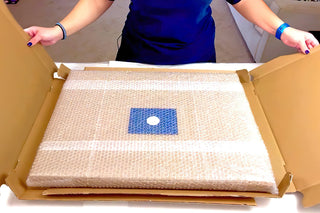
STEP 2 - SHIPPING
We ship your order. We send you an email to track the progress

STEP 3 - DELIVERY
You receive your order. You can also, according to your choice, be delivered to a relay point.
Matte finish
View from behind
Frame (optional)
In the field of art history, certain works transcend mere representation to become true windows into nature and science. "The Miraculous Transformation of Caterpillars and the Strange Food of Flowers Pl044" by Maria Sibylla Merian is one of those creations that captivates the mind and sparks curiosity. This piece, which stands at the crossroads between art and entomology, immerses us in a universe where the beauty of insects and flowers intertwines harmoniously. Merian, with her keen eye and artistic sensitivity, manages to capture the magic of metamorphosis, a theme dear to naturalists of her time. Contemplating this art print, one is immediately transported into a world of vibrant colors and delicate details, where each element seems to tell a story.
Style and uniqueness of the work
Maria Sibylla Merian's style is both precise and poetic. In "The Miraculous Transformation of Caterpillars and the Strange Food of Flowers Pl044," she deploys a carefully chosen palette of colors that testify to her unparalleled talent for observation. The vibrant nuances of the flowers contrast with the delicate textures of the insects, creating a visually striking composition. Each caterpillar, each flower is rendered with meticulous care that reflects a deep respect for nature. Merian does not merely depict reality; she interprets it, infusing it with an almost magical dimension. The juxtaposition of plant and animal species, as well as the attention paid to their interactions, highlight the harmony that reigns in the natural kingdom. This work stands out for its ability to evoke reflection on the beauty and complexity of life, while celebrating the natural cycle of transformation.
The artist and her influence
Maria Sibylla Merian, a pioneer in the field of entomology, marked her era with her innovative approach and commitment to scientific observation. Born in 1647 in Frankfurt, she managed to establish herself in an artistic environment dominated by men, becoming one of the first female naturalists to achieve
12,34 €