
Art print of The Miraculous Transformation of Caterpillars and the Strange Food of Flowers Pl039 - Maria Sibylla Merian


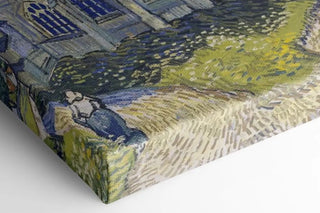
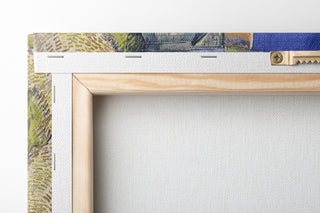
View from behind
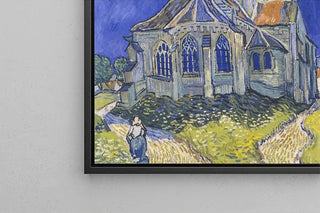
Frame (optional)
La nature, with its mysteries and wonders, has always fascinated artists, and Maria Sibylla Merian, a prominent figure of the 17th century, is one of its most brilliant representatives. In her work "The Miraculous Transformation of Caterpillars and the Strange Food of Flowers Pl039," she invites us to dive into a world where beauty and science meet. This piece, both delicate and bold, reflects her love for insects and plants, while highlighting the complexity of life cycles. Through her illustrations, Merian manages to capture the very essence of metamorphosis, a theme that resonates deeply with our understanding of nature.
Style and uniqueness of the work
Maria Sibylla Merian's style is a perfect balance between scientific precision and artistic sensitivity. Her watercolor technique, blending vivid colors with meticulous details, allows her to explore the nuances of each species she depicts. In "The Miraculous Transformation of Caterpillars and the Strange Food of Flowers Pl039," caterpillars, butterflies, and flowers intertwine in a visual harmony that evokes the fleeting beauty of life. Every element is carefully observed and rendered with such finesse that it almost seems to come alive on paper. This artwork is not just a simple illustration; it is an invitation to contemplate nature in all its splendor, to understand the interrelations between living beings and their environment. The way Merian captures the anatomical details of insects and the delicacy of flower petals reminds us that art can be both a tool of wonder and a means of knowledge.
The artist and her influence
Maria Sibylla Merian, born in 1647 in Frankfurt, was not only a pioneer in the field of entomology but also paved the way for many women artists and scientists. Her passion for observing insects led her to undertake journeys to South America, where she collected specimens and deepened her research on local fauna and flora. Merian challenged
Art print of The Miraculous Transformation of Caterpillars and the Strange Food of Flowers Pl039 - Maria Sibylla Merian

-10% FROM €95 IN PURCHASES
-15% FROM €195 IN PURCHASES
Regular price
- Unit price
- per
Tax included.
Free shipping
€4.90 / Free shipping on orders over €39
Satisfied or Money Back
Free returns within 30 days
10-year warranty
Our prints are guaranteed for 10 years
Any questions? We are here!
by email to contact@artemlegrand.com
THE STEPS OF YOUR ORDER
STEP 1 - ORDER PLACED
Your order has been confirmed and we are starting production
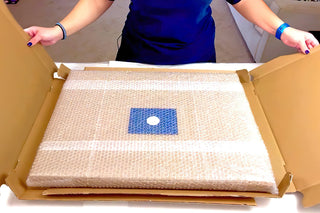
STEP 2 - SHIPPING
We ship your order. We send you an email to track the progress

STEP 3 - DELIVERY
You receive your order. You can also, according to your choice, be delivered to a relay point.
Matte finish
View from behind
Frame (optional)
La nature, with its mysteries and wonders, has always fascinated artists, and Maria Sibylla Merian, a prominent figure of the 17th century, is one of its most brilliant representatives. In her work "The Miraculous Transformation of Caterpillars and the Strange Food of Flowers Pl039," she invites us to dive into a world where beauty and science meet. This piece, both delicate and bold, reflects her love for insects and plants, while highlighting the complexity of life cycles. Through her illustrations, Merian manages to capture the very essence of metamorphosis, a theme that resonates deeply with our understanding of nature.
Style and uniqueness of the work
Maria Sibylla Merian's style is a perfect balance between scientific precision and artistic sensitivity. Her watercolor technique, blending vivid colors with meticulous details, allows her to explore the nuances of each species she depicts. In "The Miraculous Transformation of Caterpillars and the Strange Food of Flowers Pl039," caterpillars, butterflies, and flowers intertwine in a visual harmony that evokes the fleeting beauty of life. Every element is carefully observed and rendered with such finesse that it almost seems to come alive on paper. This artwork is not just a simple illustration; it is an invitation to contemplate nature in all its splendor, to understand the interrelations between living beings and their environment. The way Merian captures the anatomical details of insects and the delicacy of flower petals reminds us that art can be both a tool of wonder and a means of knowledge.
The artist and her influence
Maria Sibylla Merian, born in 1647 in Frankfurt, was not only a pioneer in the field of entomology but also paved the way for many women artists and scientists. Her passion for observing insects led her to undertake journeys to South America, where she collected specimens and deepened her research on local fauna and flora. Merian challenged
12,34 €