
Art print of The Miraculous Transformation of Caterpillars and the Strange Food of Flowers Pl. 022 - Maria Sibylla Merian


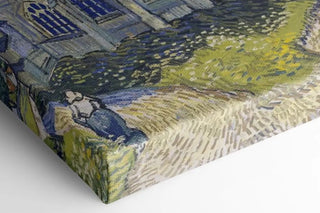
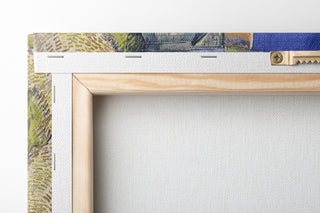
View from behind
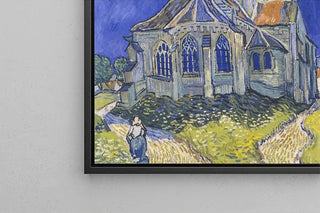
Frame (optional)
In the fascinating world of naturalist art, the work of Maria Sibylla Merian stands out for its ability to capture the very essence of nature. Her masterpiece, "The Miraculous Transformation of Caterpillars and the Strange Food of Flowers," immerses us in a world where the beauty of insects and plants is revealed with remarkable precision. Merian, a pioneer in the study of insects, invites us to explore the metamorphoses of these delicate creatures, while highlighting the complex relationships between species. This artwork, both scientific and artistic, is not merely a simple illustration; it is a celebration of life and its transformations.
Style and uniqueness of the work
Maria Sibylla Merian's style is characterized by meticulous attention to detail and a vibrant color palette that breathes new vitality into her subjects. Each caterpillar, each flower is depicted with a precision that reflects her diligent observation of nature. The work also stands out for its harmonious composition, where elements seem to interact in a delicate ballet. The flowers, rich in nuances and textures, serve as a backdrop to the dance of the caterpillars, creating a visual dynamic that inevitably draws the eye. Merian manages to combine aesthetics with erudition, offering the viewer an immersive experience that transcends mere visuals to evoke reflection on the cycle of life.
The artist and her influence
Maria Sibylla Merian, born in 1647 in Frankfurt, was one of the first female naturalists to make a name for herself in a field dominated by men. Her work not only paved the way for generations of artists and scientists but also contributed to a better understanding of entomology in the 17th century. Traveling to Suriname, she was able to observe species she had never encountered before, thus enriching her repertoire with fascinating diversity. Her innovative approach, which blends art and science, influenced artists and naturalists across the centuries, making her an iconic figure of the Baroque and
Art print of The Miraculous Transformation of Caterpillars and the Strange Food of Flowers Pl. 022 - Maria Sibylla Merian

-10% FROM €95 IN PURCHASES
-15% FROM €195 IN PURCHASES
Regular price
- Unit price
- per
Tax included.
Free shipping
€4.90 / Free shipping on orders over €39
Satisfied or Money Back
Free returns within 30 days
10-year warranty
Our prints are guaranteed for 10 years
Any questions? We are here!
by email to contact@artemlegrand.com
THE STEPS OF YOUR ORDER
STEP 1 - ORDER PLACED
Your order has been confirmed and we are starting production
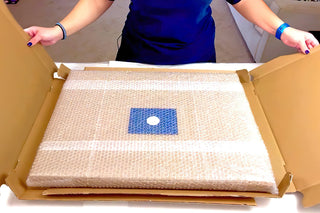
STEP 2 - SHIPPING
We ship your order. We send you an email to track the progress

STEP 3 - DELIVERY
You receive your order. You can also, according to your choice, be delivered to a relay point.
Matte finish
View from behind
Frame (optional)
In the fascinating world of naturalist art, the work of Maria Sibylla Merian stands out for its ability to capture the very essence of nature. Her masterpiece, "The Miraculous Transformation of Caterpillars and the Strange Food of Flowers," immerses us in a world where the beauty of insects and plants is revealed with remarkable precision. Merian, a pioneer in the study of insects, invites us to explore the metamorphoses of these delicate creatures, while highlighting the complex relationships between species. This artwork, both scientific and artistic, is not merely a simple illustration; it is a celebration of life and its transformations.
Style and uniqueness of the work
Maria Sibylla Merian's style is characterized by meticulous attention to detail and a vibrant color palette that breathes new vitality into her subjects. Each caterpillar, each flower is depicted with a precision that reflects her diligent observation of nature. The work also stands out for its harmonious composition, where elements seem to interact in a delicate ballet. The flowers, rich in nuances and textures, serve as a backdrop to the dance of the caterpillars, creating a visual dynamic that inevitably draws the eye. Merian manages to combine aesthetics with erudition, offering the viewer an immersive experience that transcends mere visuals to evoke reflection on the cycle of life.
The artist and her influence
Maria Sibylla Merian, born in 1647 in Frankfurt, was one of the first female naturalists to make a name for herself in a field dominated by men. Her work not only paved the way for generations of artists and scientists but also contributed to a better understanding of entomology in the 17th century. Traveling to Suriname, she was able to observe species she had never encountered before, thus enriching her repertoire with fascinating diversity. Her innovative approach, which blends art and science, influenced artists and naturalists across the centuries, making her an iconic figure of the Baroque and
12,34 €