
Art print The miraculous transformation of caterpillars and the strange flower food Pl. 019 - Maria Sibylla Merian


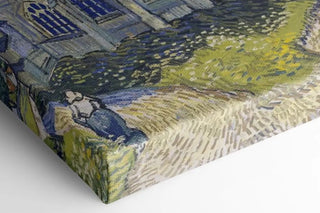
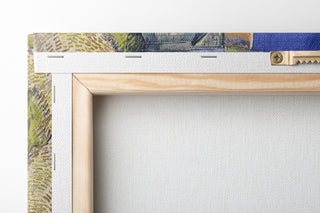
View from behind
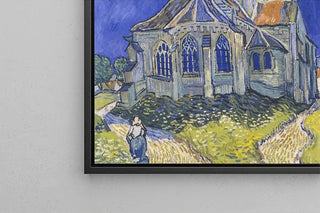
Frame (optional)
Maria Sibylla Merian's artwork, titled "The Miraculous Transformation of Caterpillars and the Strange Food for Flowers Pl. 019," belongs to an artistic movement that transcends mere representation of nature. This captivating piece immerses us in the delicate and complex universe of insects and plants, revealing meticulous details and a vibrant color palette. Merian, a pioneer in observing insect life cycles, offers through this work a window into the natural world, inviting viewers to a deep and enriching contemplation. The magic of caterpillars transforming into butterflies unfolds here with unmatched grace, illustrating the indissoluble link between living beings and their environment.
Style and uniqueness of the work
Merian's style is characterized by striking realism, where each element is carefully observed and rendered. Her ability to capture nuances of color and textures of subjects is simply remarkable. In "The Miraculous Transformation of Caterpillars and the Strange Food for Flowers Pl. 019," she manages to create an atmosphere that is both scientific and poetic. The details of insects, flowers, and leaves are rendered with precision that testifies to her diligent observation of nature. The composition of the artwork, balanced and harmonious, guides the viewer's eye through the different stages of metamorphosis, revealing the hidden beauty of each phase. This unique approach, combining art and science, makes Merian an iconic figure of her time, foreshadowing future artistic movements.
The artist and her influence
Maria Sibylla Merian, born in 1647 in Frankfurt, is often regarded as one of the earliest naturalists. Her passion for observing nature led her to travel to South America, where she was able to study species still unknown in Europe. Her work is not only a testament to her artistic talent but also a significant contribution to the science of her era. By documenting insects and their environment, she paved the way for a better understanding of ecology and the interactions between
Art print The miraculous transformation of caterpillars and the strange flower food Pl. 019 - Maria Sibylla Merian

-10% FROM €95 IN PURCHASES
-15% FROM €195 IN PURCHASES
Regular price
- Unit price
- per
Tax included.
Free shipping
€4.90 / Free shipping on orders over €39
Satisfied or Money Back
Free returns within 30 days
10-year warranty
Our prints are guaranteed for 10 years
Any questions? We are here!
by email to contact@artemlegrand.com
THE STEPS OF YOUR ORDER
STEP 1 - ORDER PLACED
Your order has been confirmed and we are starting production
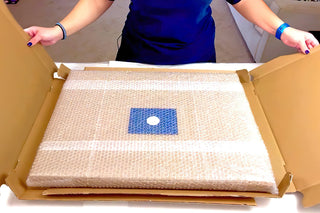
STEP 2 - SHIPPING
We ship your order. We send you an email to track the progress

STEP 3 - DELIVERY
You receive your order. You can also, according to your choice, be delivered to a relay point.
Matte finish
View from behind
Frame (optional)
Maria Sibylla Merian's artwork, titled "The Miraculous Transformation of Caterpillars and the Strange Food for Flowers Pl. 019," belongs to an artistic movement that transcends mere representation of nature. This captivating piece immerses us in the delicate and complex universe of insects and plants, revealing meticulous details and a vibrant color palette. Merian, a pioneer in observing insect life cycles, offers through this work a window into the natural world, inviting viewers to a deep and enriching contemplation. The magic of caterpillars transforming into butterflies unfolds here with unmatched grace, illustrating the indissoluble link between living beings and their environment.
Style and uniqueness of the work
Merian's style is characterized by striking realism, where each element is carefully observed and rendered. Her ability to capture nuances of color and textures of subjects is simply remarkable. In "The Miraculous Transformation of Caterpillars and the Strange Food for Flowers Pl. 019," she manages to create an atmosphere that is both scientific and poetic. The details of insects, flowers, and leaves are rendered with precision that testifies to her diligent observation of nature. The composition of the artwork, balanced and harmonious, guides the viewer's eye through the different stages of metamorphosis, revealing the hidden beauty of each phase. This unique approach, combining art and science, makes Merian an iconic figure of her time, foreshadowing future artistic movements.
The artist and her influence
Maria Sibylla Merian, born in 1647 in Frankfurt, is often regarded as one of the earliest naturalists. Her passion for observing nature led her to travel to South America, where she was able to study species still unknown in Europe. Her work is not only a testament to her artistic talent but also a significant contribution to the science of her era. By documenting insects and their environment, she paved the way for a better understanding of ecology and the interactions between
12,34 €