
Painting The Messenger - Jan Verkolje | Art print


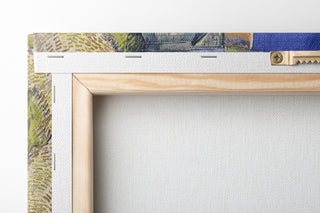
View from behind
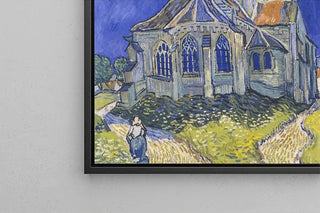
Frame (optional)
In the fascinating world of Baroque art, "The Messenger" by Jan Verkolje emerges as an iconic piece, captivating the eye and mind with its expressiveness and depth. This painting, depicting a young man delivering a message, evokes not only the idea of communication but also that of the transition between the visible and the invisible. Through this work, Verkolje invites us to reflect on the messages we receive and those we transmit, immersing us in a rich, emotion-filled atmosphere. The art print of The Messenger - Jan Verkolje allows for rediscovering this masterpiece, offering a window into a world where every detail tells a story.
Style and uniqueness of the work
Verkolje's style is distinguished by his mastery of light and shadow, which give his characters an almost sculptural dimension. In "The Messenger," the play of light highlights the delicate features of the young man, emphasizing his expression as both serious and engaging. The chosen colors, vibrant yet nuanced, create a visual harmony that draws the eye and maintains attention. The composition, skillfully orchestrated, guides the viewer through the painting, gradually revealing the subtleties of the messenger's expression. Although frozen in time, he seems almost ready to speak, to transmit his message. This ability to capture the moment and make it come alive is one of the characteristics that make Verkolje a fully-fledged artist in the landscape of Baroque art.
The artist and his influence
Jan Verkolje, born in Amsterdam in the 17th century, established himself as one of the masters of his era. Influenced by the great names of Dutch painting, he developed a style that is uniquely his own, combining realism and sensitivity. His work reflects a time when art did not merely aim to depict reality but sought to grasp its essence. Verkolje also had a significant impact on his contemporaries and subsequent generations, inspiring many artists to explore human emotions through painting. His work on portraits and genre scenes paved the way for a
Painting The Messenger - Jan Verkolje | Art print

-10% FROM €95 IN PURCHASES
-15% FROM €195 IN PURCHASES
Regular price
- Unit price
- per
Tax included.
Free shipping
€4.90 / Free shipping on orders over €39
Satisfied or Money Back
Free returns within 30 days
10-year warranty
Our prints are guaranteed for 10 years
Any questions? We are here!
by email to contact@artemlegrand.com
THE STEPS OF YOUR ORDER
STEP 1 - ORDER PLACED
Your order has been confirmed and we are starting production
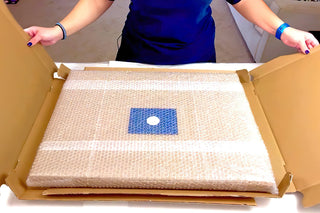
STEP 2 - SHIPPING
We ship your order. We send you an email to track the progress

STEP 3 - DELIVERY
You receive your order. You can also, according to your choice, be delivered to a relay point.
Matte finish
View from behind
Frame (optional)
In the fascinating world of Baroque art, "The Messenger" by Jan Verkolje emerges as an iconic piece, captivating the eye and mind with its expressiveness and depth. This painting, depicting a young man delivering a message, evokes not only the idea of communication but also that of the transition between the visible and the invisible. Through this work, Verkolje invites us to reflect on the messages we receive and those we transmit, immersing us in a rich, emotion-filled atmosphere. The art print of The Messenger - Jan Verkolje allows for rediscovering this masterpiece, offering a window into a world where every detail tells a story.
Style and uniqueness of the work
Verkolje's style is distinguished by his mastery of light and shadow, which give his characters an almost sculptural dimension. In "The Messenger," the play of light highlights the delicate features of the young man, emphasizing his expression as both serious and engaging. The chosen colors, vibrant yet nuanced, create a visual harmony that draws the eye and maintains attention. The composition, skillfully orchestrated, guides the viewer through the painting, gradually revealing the subtleties of the messenger's expression. Although frozen in time, he seems almost ready to speak, to transmit his message. This ability to capture the moment and make it come alive is one of the characteristics that make Verkolje a fully-fledged artist in the landscape of Baroque art.
The artist and his influence
Jan Verkolje, born in Amsterdam in the 17th century, established himself as one of the masters of his era. Influenced by the great names of Dutch painting, he developed a style that is uniquely his own, combining realism and sensitivity. His work reflects a time when art did not merely aim to depict reality but sought to grasp its essence. Verkolje also had a significant impact on his contemporaries and subsequent generations, inspiring many artists to explore human emotions through painting. His work on portraits and genre scenes paved the way for a
12,34 €