
Painting La crèche - Petrus Marius Molijn | Art print


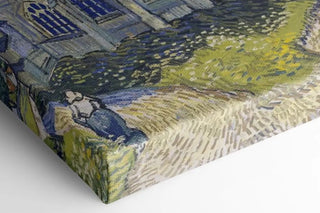
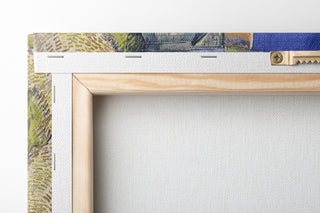
View from behind
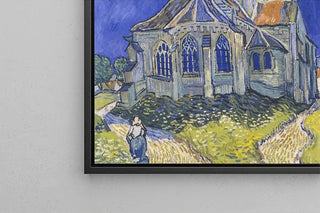
Frame (optional)
In the rich and diverse universe of art history, some works manage to transcend their era to touch the soul of viewers. "The Nativity Scene" by Petrus Marius Molijn is undoubtedly one of these creations. This piece, which tenderly and profoundly evokes the birth of Christ, invites serene and spiritual contemplation. Through the delicacy of details and the warmth of colors, Molijn captures the very essence of this sacred moment. The scene unfolds in an intimate setting, where each element, from the characters to the animals, contributes to creating an atmosphere of peace and devotion. Immersing oneself in this work transports one to a world where the divine meets everyday life, a world where the simplicity of life blends with the grandeur of the event.
Style and uniqueness of the work
Molijn's style is distinguished by an exceptional mastery of light and shadow, which gives his compositions a striking depth. In "The Nativity Scene," this technique is employed to emphasize the contrast between the darkness of night and the gentle light emanating from the infant Jesus. The faces of the characters are imbued with poignant expressiveness, each gaze and gesture telling a story. The color palette, dominated by warm tones, evokes an inviting and comforting atmosphere, reinforcing the idea of a home where love and faith reign supreme. The composition itself is carefully orchestrated, with each element arranged to guide the viewer's eye across the scene, while allowing them to linger on the details that enrich the work.
The artist and his influence
Petrus Marius Molijn, a Dutch artist of the 17th century, made a notable place for himself in the pantheon of great masters of his time. His work is often marked by a keen sensitivity to human emotions, a trait that is reflected in "The Nativity Scene." Influenced by Baroque techniques, Molijn skillfully integrated elements of realism into his compositions, making his scenes not only visually captivating but also deeply human. Through his works, he contributed
Painting La crèche - Petrus Marius Molijn | Art print

-10% FROM €95 IN PURCHASES
-15% FROM €195 IN PURCHASES
Regular price
- Unit price
- per
Tax included.
Free shipping
€4.90 / Free shipping on orders over €39
Satisfied or Money Back
Free returns within 30 days
10-year warranty
Our prints are guaranteed for 10 years
Any questions? We are here!
by email to contact@artemlegrand.com
THE STEPS OF YOUR ORDER

STEP 1 - ORDER PLACED
Your order has been confirmed and we are starting production
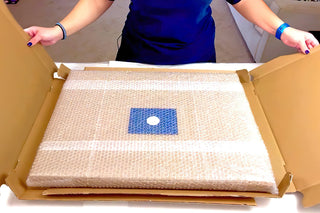
STEP 2 - SHIPPING
We ship your order. We send you an email to track the progress

STEP 3 - DELIVERY
You receive your order. You can also, according to your choice, be delivered to a relay point.
Matte finish
View from behind
Frame (optional)
In the rich and diverse universe of art history, some works manage to transcend their era to touch the soul of viewers. "The Nativity Scene" by Petrus Marius Molijn is undoubtedly one of these creations. This piece, which tenderly and profoundly evokes the birth of Christ, invites serene and spiritual contemplation. Through the delicacy of details and the warmth of colors, Molijn captures the very essence of this sacred moment. The scene unfolds in an intimate setting, where each element, from the characters to the animals, contributes to creating an atmosphere of peace and devotion. Immersing oneself in this work transports one to a world where the divine meets everyday life, a world where the simplicity of life blends with the grandeur of the event.
Style and uniqueness of the work
Molijn's style is distinguished by an exceptional mastery of light and shadow, which gives his compositions a striking depth. In "The Nativity Scene," this technique is employed to emphasize the contrast between the darkness of night and the gentle light emanating from the infant Jesus. The faces of the characters are imbued with poignant expressiveness, each gaze and gesture telling a story. The color palette, dominated by warm tones, evokes an inviting and comforting atmosphere, reinforcing the idea of a home where love and faith reign supreme. The composition itself is carefully orchestrated, with each element arranged to guide the viewer's eye across the scene, while allowing them to linger on the details that enrich the work.
The artist and his influence
Petrus Marius Molijn, a Dutch artist of the 17th century, made a notable place for himself in the pantheon of great masters of his time. His work is often marked by a keen sensitivity to human emotions, a trait that is reflected in "The Nativity Scene." Influenced by Baroque techniques, Molijn skillfully integrated elements of realism into his compositions, making his scenes not only visually captivating but also deeply human. Through his works, he contributed
12,34 €