
Painting The love letter - Johann Sperl | Art print


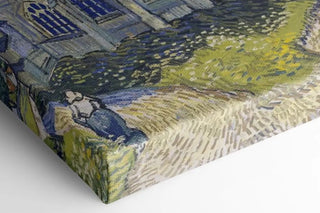
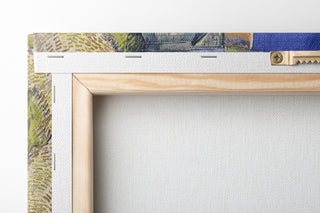
View from behind
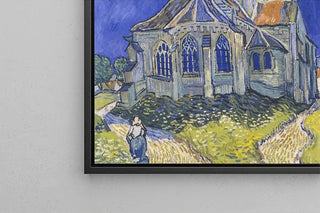
Frame (optional)
In the fascinating universe of art, some works manage to capture the very essence of human emotions. "The Love Letter" by Johann Sperl is one of those creations that transcends mere visuals to immerse the viewer in an intimate atmosphere filled with feelings. This piece, created at the end of the 19th century, evokes palpable tenderness through the depiction of a young woman absorbed in reading a letter. The painting does not merely show a scene; it invites you to feel the intimacy of a suspended moment in time, where the protagonist's gaze seems to rise beyond the paper, toward a world of dreams and hopes. Sperl, with his skillful play of light and shadow, creates an ambiance that is both serene and emotive, making each brushstroke a declaration of love for art.
Style and uniqueness of the work
Johann Sperl's style is deeply rooted in the realism movement, but it is distinguished by a touch of romanticism that is uniquely his own. "The Love Letter" features soft colors and a delicate palette that evoke the tenderness of feelings and the fragility of shared moments. The meticulous details of the young woman's dress, as well as the texture of the paper, testify to a keen attention to detail that immerses the viewer in the intimacy of the scene. Sperl manages to capture not only the physical appearance of his subject but also her state of mind, making visible the invisible: anxiety, hope, love. The balanced and harmonious composition of the piece, where each element finds its place, reinforces this impression of serenity. This painting is not just a representation; it is an invitation to contemplation, a moment of pause amid the tumult of daily life.
The artist and his influence
Johann Sperl, an Austrian painter of the 19th century, established himself as a significant figure of his era. Born in 1856, he was influenced by the great masters of realism and romanticism, while developing a style that is uniquely his own. His work is often marked by a particular sensitivity to
Painting The love letter - Johann Sperl | Art print

-10% FROM €95 IN PURCHASES
-15% FROM €195 IN PURCHASES
Regular price
- Unit price
- per
Tax included.
Free shipping
€4.90 / Free shipping on orders over €39
Satisfied or Money Back
Free returns within 30 days
10-year warranty
Our prints are guaranteed for 10 years
Any questions? We are here!
by email to contact@artemlegrand.com
THE STEPS OF YOUR ORDER

STEP 1 - ORDER PLACED
Your order has been confirmed and we are starting production
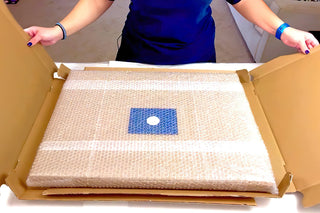
STEP 2 - SHIPPING
We ship your order. We send you an email to track the progress

STEP 3 - DELIVERY
You receive your order. You can also, according to your choice, be delivered to a relay point.
Matte finish
View from behind
Frame (optional)
In the fascinating universe of art, some works manage to capture the very essence of human emotions. "The Love Letter" by Johann Sperl is one of those creations that transcends mere visuals to immerse the viewer in an intimate atmosphere filled with feelings. This piece, created at the end of the 19th century, evokes palpable tenderness through the depiction of a young woman absorbed in reading a letter. The painting does not merely show a scene; it invites you to feel the intimacy of a suspended moment in time, where the protagonist's gaze seems to rise beyond the paper, toward a world of dreams and hopes. Sperl, with his skillful play of light and shadow, creates an ambiance that is both serene and emotive, making each brushstroke a declaration of love for art.
Style and uniqueness of the work
Johann Sperl's style is deeply rooted in the realism movement, but it is distinguished by a touch of romanticism that is uniquely his own. "The Love Letter" features soft colors and a delicate palette that evoke the tenderness of feelings and the fragility of shared moments. The meticulous details of the young woman's dress, as well as the texture of the paper, testify to a keen attention to detail that immerses the viewer in the intimacy of the scene. Sperl manages to capture not only the physical appearance of his subject but also her state of mind, making visible the invisible: anxiety, hope, love. The balanced and harmonious composition of the piece, where each element finds its place, reinforces this impression of serenity. This painting is not just a representation; it is an invitation to contemplation, a moment of pause amid the tumult of daily life.
The artist and his influence
Johann Sperl, an Austrian painter of the 19th century, established himself as a significant figure of his era. Born in 1856, he was influenced by the great masters of realism and romanticism, while developing a style that is uniquely his own. His work is often marked by a particular sensitivity to
12,34 €