
Painting The Letter - Gerard ter Borch | Art print


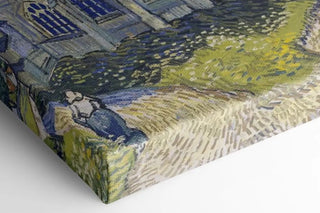
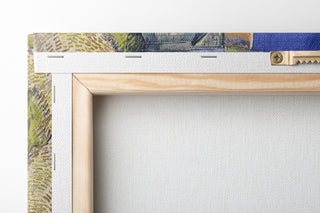
View from behind
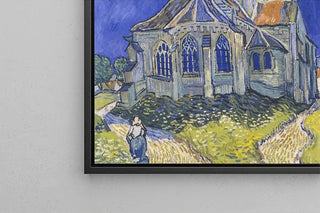
Frame (optional)
In the world of art, some works transcend the simple frame of the canvas to become witnesses of an era, reflections of human emotions. "The Letter" by Gerard ter Borch is one of these iconic pieces, capturing a moment of intimacy and contemplation. This painting, created in the 17th century, immerses us in a universe where written communication takes on an almost sacred dimension. Through the gaze of the woman reading a letter, the artist invites us to share an intimate experience, awakening an insatiable curiosity about the content of this missive. The soft light bathing the scene, along with the richness of details, creates an atmosphere that is both serene and charged with emotional tension.
Style and uniqueness of the work
Gerard ter Borch's style is inseparable from his skill in capturing light and textures. In "The Letter," every fold of the fabric, every reflection on the surface of the table, testifies to his exceptional talent for depicting reality. The colors, though subtle, are carefully chosen to create a harmonious balance, while highlighting the central figure of the woman. Her pensive, almost nostalgic expression, evokes a multitude of feelings, from desire to melancholy. This painting also stands out for its composition, where the artist plays with lines and shapes to guide the viewer's gaze toward the heart of the scene. The intimacy of this representation is accentuated by the choice of format, which seems to invite the viewer to come closer, to intrude into this private moment.
The artist and his influence
Gerard ter Borch, born in 1617, is one of the masters of Dutch painting of the 17th century. His work is often associated with the depiction of bourgeois life and themes of human intimacy. Influenced by artists such as Frans Hals and Rembrandt, Ter Borch developed a unique style, combining realism and sensitivity. His ability to capture human emotions with such finesse left a mark on his contemporaries and left an indelible imprint on subsequent generations. "The Letter" is emblematic of this approach, where every detail, from the draping of clothing to facial expressions, is carefully
Painting The Letter - Gerard ter Borch | Art print

-10% FROM €95 IN PURCHASES
-15% FROM €195 IN PURCHASES
Regular price
- Unit price
- per
Tax included.
Free shipping
€4.90 / Free shipping on orders over €39
Satisfied or Money Back
Free returns within 30 days
10-year warranty
Our prints are guaranteed for 10 years
Any questions? We are here!
by email to contact@artemlegrand.com
THE STEPS OF YOUR ORDER

STEP 1 - ORDER PLACED
Your order has been confirmed and we are starting production
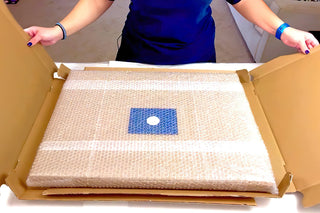
STEP 2 - SHIPPING
We ship your order. We send you an email to track the progress

STEP 3 - DELIVERY
You receive your order. You can also, according to your choice, be delivered to a relay point.
Matte finish
View from behind
Frame (optional)
In the world of art, some works transcend the simple frame of the canvas to become witnesses of an era, reflections of human emotions. "The Letter" by Gerard ter Borch is one of these iconic pieces, capturing a moment of intimacy and contemplation. This painting, created in the 17th century, immerses us in a universe where written communication takes on an almost sacred dimension. Through the gaze of the woman reading a letter, the artist invites us to share an intimate experience, awakening an insatiable curiosity about the content of this missive. The soft light bathing the scene, along with the richness of details, creates an atmosphere that is both serene and charged with emotional tension.
Style and uniqueness of the work
Gerard ter Borch's style is inseparable from his skill in capturing light and textures. In "The Letter," every fold of the fabric, every reflection on the surface of the table, testifies to his exceptional talent for depicting reality. The colors, though subtle, are carefully chosen to create a harmonious balance, while highlighting the central figure of the woman. Her pensive, almost nostalgic expression, evokes a multitude of feelings, from desire to melancholy. This painting also stands out for its composition, where the artist plays with lines and shapes to guide the viewer's gaze toward the heart of the scene. The intimacy of this representation is accentuated by the choice of format, which seems to invite the viewer to come closer, to intrude into this private moment.
The artist and his influence
Gerard ter Borch, born in 1617, is one of the masters of Dutch painting of the 17th century. His work is often associated with the depiction of bourgeois life and themes of human intimacy. Influenced by artists such as Frans Hals and Rembrandt, Ter Borch developed a unique style, combining realism and sensitivity. His ability to capture human emotions with such finesse left a mark on his contemporaries and left an indelible imprint on subsequent generations. "The Letter" is emblematic of this approach, where every detail, from the draping of clothing to facial expressions, is carefully
12,34 €