
Painting The Kitchen Boy - Joseph Bail | Art print


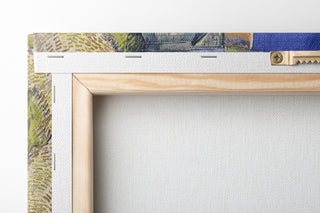
View from behind
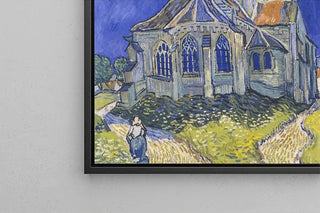
Frame (optional)
In the fascinating world of 19th-century French painting, "The Kitchen Boy" by Joseph Bail stands out for its elegance and its ability to capture the very essence of everyday life. This artwork, created in 1895, immerses us in the intimacy of a suspended moment, where the simplicity of daily life becomes a source of artistic inspiration. The scene, imbued with realism, depicts a young boy, probably an apprentice, busy preparing a meal. With a palette of warm colors and carefully crafted lighting, Bail manages to infuse an atmosphere of warmth and conviviality, inviting us to contemplate the beauty of ordinary gestures. This painting, both touching and revealing, testifies to the artist's skill in transforming fleeting moments into timeless works.
Style and uniqueness of the work
Joseph Bail's style is characterized by meticulous realism, where every detail is carefully observed and rendered. In "The Kitchen Boy," particular attention is paid to textures and lighting, which give the scene striking depth. The interplay of shadow and light highlights the face of the young boy, whose focused expression seems to tell a story on its own. The composition, though simple, is highly effective, guiding the viewer's gaze toward the key elements of the scene. Bail, a true master of the genre, succeeds in creating an atmosphere that is both intimate and lively, where one can almost smell the kitchen aromas and hear the sounds of daily life. This ability to evoke sensations through painting is what makes this art print so unique and memorable.
The artist and his influence
Joseph Bail, descended from a lineage of artists, managed to establish himself in the artistic landscape of his time. Trained at the École des Beaux-Arts in Paris, he mingled with emblematic figures of realism but also incorporated Impressionist influences into his work. His approach to art, focused on meticulous observation of daily life, paved the way for a new way of seeing and representing the world. Bail was notably an active member of the Salon des artistes français, where his art prints were praised
Painting The Kitchen Boy - Joseph Bail | Art print

-10% FROM €95 IN PURCHASES
-15% FROM €195 IN PURCHASES
Regular price
- Unit price
- per
Tax included.
Free shipping
€4.90 / Free shipping on orders over €39
Satisfied or Money Back
Free returns within 30 days
10-year warranty
Our prints are guaranteed for 10 years
Any questions? We are here!
by email to contact@artemlegrand.com
THE STEPS OF YOUR ORDER

STEP 1 - ORDER PLACED
Your order has been confirmed and we are starting production
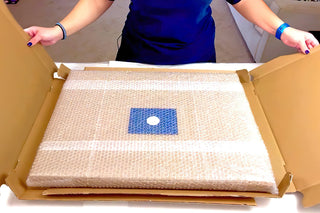
STEP 2 - SHIPPING
We ship your order. We send you an email to track the progress

STEP 3 - DELIVERY
You receive your order. You can also, according to your choice, be delivered to a relay point.
Matte finish
View from behind
Frame (optional)
In the fascinating world of 19th-century French painting, "The Kitchen Boy" by Joseph Bail stands out for its elegance and its ability to capture the very essence of everyday life. This artwork, created in 1895, immerses us in the intimacy of a suspended moment, where the simplicity of daily life becomes a source of artistic inspiration. The scene, imbued with realism, depicts a young boy, probably an apprentice, busy preparing a meal. With a palette of warm colors and carefully crafted lighting, Bail manages to infuse an atmosphere of warmth and conviviality, inviting us to contemplate the beauty of ordinary gestures. This painting, both touching and revealing, testifies to the artist's skill in transforming fleeting moments into timeless works.
Style and uniqueness of the work
Joseph Bail's style is characterized by meticulous realism, where every detail is carefully observed and rendered. In "The Kitchen Boy," particular attention is paid to textures and lighting, which give the scene striking depth. The interplay of shadow and light highlights the face of the young boy, whose focused expression seems to tell a story on its own. The composition, though simple, is highly effective, guiding the viewer's gaze toward the key elements of the scene. Bail, a true master of the genre, succeeds in creating an atmosphere that is both intimate and lively, where one can almost smell the kitchen aromas and hear the sounds of daily life. This ability to evoke sensations through painting is what makes this art print so unique and memorable.
The artist and his influence
Joseph Bail, descended from a lineage of artists, managed to establish himself in the artistic landscape of his time. Trained at the École des Beaux-Arts in Paris, he mingled with emblematic figures of realism but also incorporated Impressionist influences into his work. His approach to art, focused on meticulous observation of daily life, paved the way for a new way of seeing and representing the world. Bail was notably an active member of the Salon des artistes français, where his art prints were praised
12,34 €