
Painting The Judge Henry Lewis - George Caleb Bingham | Art print


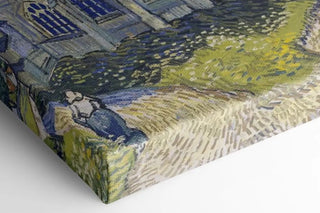
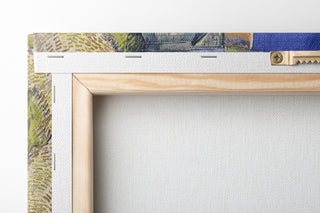
View from behind
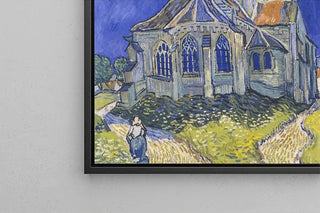
Frame (optional)
In the rich and complex universe of American art history, the artwork "The Judge Henry Lewis" by George Caleb Bingham stands out for its narrative depth and visual engagement. This painting, created in the mid-19th century, captures not only the portrait of a man but also the essence of an era marked by social and political upheavals. Contemplating this piece, the viewer is transported to a world where justice and authority come to life through the penetrating gaze of the judge, a symbol of a rapidly changing America. This painting, a true reflection of the values of its time, embodies the aspirations of a nation seeking stability and recognition.
Style and uniqueness of the artwork
Bingham's style is characterized by a realistic approach that transcends mere representation. In "The Judge Henry Lewis," every detail is carefully crafted, from the folds of the judge's robe to the nuances of light that caress his face. The artist employs a palette of earthy colors, creating an atmosphere that is both intimate and solemn. This chromatic choice, combined with meticulous painting techniques, gives the artwork an almost tangible dimension. The judge's expression, blending authority and humanity, invites the viewer to reflect on the moral and ethical stakes of justice. Through this piece, Bingham manages to establish a dialogue between the subject and the audience, making each gaze a unique and personal experience.
The artist and his influence
George Caleb Bingham, often regarded as one of the pioneers of American portraiture, was able to capture the spirit of his time through his works. Born in 1811 in Missouri, he was influenced by the landscapes and characters of the American West, which he skillfully integrated into his compositions. His work goes beyond simple depictions of historical figures; it is an exploration of the social and political dynamics of his era. Bingham also played a crucial role in promoting American art, striving to establish a distinct artistic identity for the United States. His commitment to truth and justice, both in his life and his art, has left an indelible mark on future generations of artists and historians.
Painting The Judge Henry Lewis - George Caleb Bingham | Art print

-10% FROM €95 IN PURCHASES
-15% FROM €195 IN PURCHASES
Regular price
- Unit price
- per
Tax included.
Free shipping
€4.90 / Free shipping on orders over €39
Satisfied or Money Back
Free returns within 30 days
10-year warranty
Our prints are guaranteed for 10 years
Any questions? We are here!
by email to contact@artemlegrand.com
THE STEPS OF YOUR ORDER

STEP 1 - ORDER PLACED
Your order has been confirmed and we are starting production
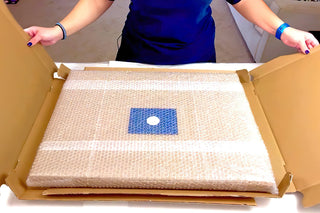
STEP 2 - SHIPPING
We ship your order. We send you an email to track the progress

STEP 3 - DELIVERY
You receive your order. You can also, according to your choice, be delivered to a relay point.
Matte finish
View from behind
Frame (optional)
In the rich and complex universe of American art history, the artwork "The Judge Henry Lewis" by George Caleb Bingham stands out for its narrative depth and visual engagement. This painting, created in the mid-19th century, captures not only the portrait of a man but also the essence of an era marked by social and political upheavals. Contemplating this piece, the viewer is transported to a world where justice and authority come to life through the penetrating gaze of the judge, a symbol of a rapidly changing America. This painting, a true reflection of the values of its time, embodies the aspirations of a nation seeking stability and recognition.
Style and uniqueness of the artwork
Bingham's style is characterized by a realistic approach that transcends mere representation. In "The Judge Henry Lewis," every detail is carefully crafted, from the folds of the judge's robe to the nuances of light that caress his face. The artist employs a palette of earthy colors, creating an atmosphere that is both intimate and solemn. This chromatic choice, combined with meticulous painting techniques, gives the artwork an almost tangible dimension. The judge's expression, blending authority and humanity, invites the viewer to reflect on the moral and ethical stakes of justice. Through this piece, Bingham manages to establish a dialogue between the subject and the audience, making each gaze a unique and personal experience.
The artist and his influence
George Caleb Bingham, often regarded as one of the pioneers of American portraiture, was able to capture the spirit of his time through his works. Born in 1811 in Missouri, he was influenced by the landscapes and characters of the American West, which he skillfully integrated into his compositions. His work goes beyond simple depictions of historical figures; it is an exploration of the social and political dynamics of his era. Bingham also played a crucial role in promoting American art, striving to establish a distinct artistic identity for the United States. His commitment to truth and justice, both in his life and his art, has left an indelible mark on future generations of artists and historians.
12,34 €