
Painting Les Israélites ramassent la manne dans le désert - Peter Paul Rubens | Art print


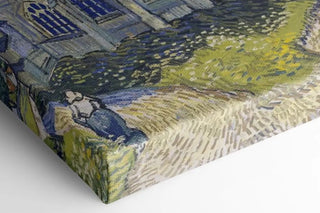
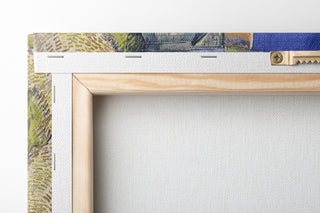
View from behind
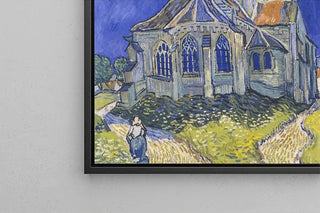
Frame (optional)
In the vast panorama of baroque art, the art print "Les Israélites ramassent la manne dans le désert" by Peter Paul Rubens stands as a masterful illustration of the narrative and emotional power that this style can convey. This biblical scene, imbued with spirituality and movement, depicts the moment when the Hebrew people, wandering in the desert, receive the manna, a symbol of divine providence. The painting, both monumental and intimate, invites the viewer to immerse themselves in a visual experience that transcends mere storytelling to touch on universal questions of survival, faith, and community. Through this art print, the very essence of the original work is preserved, allowing the viewer to relive the intensity of this sacred moment.
Style and uniqueness of the work
Rubens' style is distinguished by his ability to capture movement and emotion with unmatched vivacity. In "Les Israélites ramassent la manne dans le désert," the human figures are depicted with an expressiveness that seems almost alive. The drapery of the clothing, rendered with virtuoso technique, evokes the dynamism of bodies in action, while the faces, filled with fervor and wonder, reveal the depth of human feelings in the face of the unknown. The color palette, rich and contrasted, enhances the dramatic intensity of the scene, while light plays a crucial role, illuminating the central figures and creating a halo of sanctity around this moment of grace. Every detail, from the largest to the most subtle, contributes to the overall harmony of the work, making this representation not only a visual narrative but also a reflection on the human condition.
The artist and his influence
Peter Paul Rubens, an emblematic figure of Flemish baroque, transcended his era through an innovative approach to painting. His work, marked by a profusion of details and a capacity to fuse the sacred and the profane, influenced many artists both in Europe and beyond. Rubens does not merely reproduce biblical scenes; he reimagines them, embedding them within a
Painting Les Israélites ramassent la manne dans le désert - Peter Paul Rubens | Art print

-10% FROM €95 IN PURCHASES
-15% FROM €195 IN PURCHASES
Regular price
- Unit price
- per
Tax included.
Free shipping
€4.90 / Free shipping on orders over €39
Satisfied or Money Back
Free returns within 30 days
10-year warranty
Our prints are guaranteed for 10 years
Any questions? We are here!
by email to contact@artemlegrand.com
THE STEPS OF YOUR ORDER
STEP 1 - ORDER PLACED
Your order has been confirmed and we are starting production
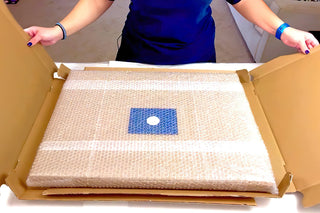
STEP 2 - SHIPPING
We ship your order. We send you an email to track the progress

STEP 3 - DELIVERY
You receive your order. You can also, according to your choice, be delivered to a relay point.
Matte finish
View from behind
Frame (optional)
In the vast panorama of baroque art, the art print "Les Israélites ramassent la manne dans le désert" by Peter Paul Rubens stands as a masterful illustration of the narrative and emotional power that this style can convey. This biblical scene, imbued with spirituality and movement, depicts the moment when the Hebrew people, wandering in the desert, receive the manna, a symbol of divine providence. The painting, both monumental and intimate, invites the viewer to immerse themselves in a visual experience that transcends mere storytelling to touch on universal questions of survival, faith, and community. Through this art print, the very essence of the original work is preserved, allowing the viewer to relive the intensity of this sacred moment.
Style and uniqueness of the work
Rubens' style is distinguished by his ability to capture movement and emotion with unmatched vivacity. In "Les Israélites ramassent la manne dans le désert," the human figures are depicted with an expressiveness that seems almost alive. The drapery of the clothing, rendered with virtuoso technique, evokes the dynamism of bodies in action, while the faces, filled with fervor and wonder, reveal the depth of human feelings in the face of the unknown. The color palette, rich and contrasted, enhances the dramatic intensity of the scene, while light plays a crucial role, illuminating the central figures and creating a halo of sanctity around this moment of grace. Every detail, from the largest to the most subtle, contributes to the overall harmony of the work, making this representation not only a visual narrative but also a reflection on the human condition.
The artist and his influence
Peter Paul Rubens, an emblematic figure of Flemish baroque, transcended his era through an innovative approach to painting. His work, marked by a profusion of details and a capacity to fuse the sacred and the profane, influenced many artists both in Europe and beyond. Rubens does not merely reproduce biblical scenes; he reimagines them, embedding them within a
12,34 €