
Painting The Housekeeper - Leopold Carl Müller | Art print


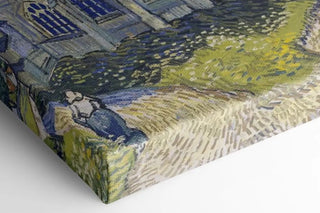
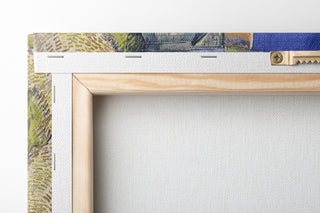
View from behind
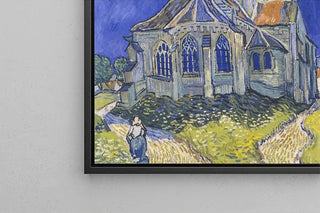
Frame (optional)
In the bustling world of art, some works manage to capture the very essence of everyday life with such delicacy that they become timeless. "The Housekeeper" by Leopold Carl Müller is a striking example. This painting, which depicts a domestic scene filled with tenderness and simplicity, transports us to a world where every gesture of daily life is elevated. The artist, with exceptional mastery, succeeds in evoking not only an image but also an atmosphere, an emotion. Through this piece, Müller invites us to contemplate the hidden beauty in the ordinary, to appreciate the grace of a suspended moment where time seems to stand still.
Style and uniqueness of the work
Leopold Carl Müller's style is characterized by meticulous attention to detail and a harmonious color palette that breathes life into his compositions. In "The Housekeeper," he uses soft, warm tones to create an intimate ambiance. Light plays a central role, subtly illuminating the features of the protagonist's face while casting delicate shadows that add depth to the scene. The realism of the artwork is striking; every element, from hanging laundry to everyday objects, is rendered with precision that testifies to the artist's talent. This ability to capture life in its smallest details gives the work an almost tactile dimension, allowing the viewer to feel an immediate connection with the depicted scene.
The artist and his influence
Leopold Carl Müller, born in 1834 in Vienna, is an artist whose career is intimately linked to the history of 19th-century Austrian art. Trained at the Vienna Academy of Fine Arts, he developed a unique style that combines realism with romantic sensitivity. Müller is recognized for his ability to portray daily life with rare emotional depth, and "The Housekeeper" is one of his most emblematic works. His influence extends beyond his era, inspiring many artists to explore themes of domesticity and intimacy in their own creations. By focusing on seemingly ordinary subjects, Müller opened the
Painting The Housekeeper - Leopold Carl Müller | Art print

-10% FROM €95 IN PURCHASES
-15% FROM €195 IN PURCHASES
Regular price
- Unit price
- per
Tax included.
Free shipping
€4.90 / Free shipping on orders over €39
Satisfied or Money Back
Free returns within 30 days
10-year warranty
Our prints are guaranteed for 10 years
Any questions? We are here!
by email to contact@artemlegrand.com
THE STEPS OF YOUR ORDER

STEP 1 - ORDER PLACED
Your order has been confirmed and we are starting production
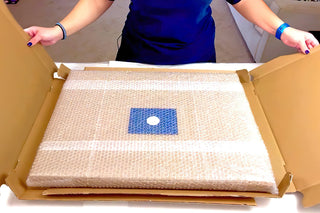
STEP 2 - SHIPPING
We ship your order. We send you an email to track the progress

STEP 3 - DELIVERY
You receive your order. You can also, according to your choice, be delivered to a relay point.
Matte finish
View from behind
Frame (optional)
In the bustling world of art, some works manage to capture the very essence of everyday life with such delicacy that they become timeless. "The Housekeeper" by Leopold Carl Müller is a striking example. This painting, which depicts a domestic scene filled with tenderness and simplicity, transports us to a world where every gesture of daily life is elevated. The artist, with exceptional mastery, succeeds in evoking not only an image but also an atmosphere, an emotion. Through this piece, Müller invites us to contemplate the hidden beauty in the ordinary, to appreciate the grace of a suspended moment where time seems to stand still.
Style and uniqueness of the work
Leopold Carl Müller's style is characterized by meticulous attention to detail and a harmonious color palette that breathes life into his compositions. In "The Housekeeper," he uses soft, warm tones to create an intimate ambiance. Light plays a central role, subtly illuminating the features of the protagonist's face while casting delicate shadows that add depth to the scene. The realism of the artwork is striking; every element, from hanging laundry to everyday objects, is rendered with precision that testifies to the artist's talent. This ability to capture life in its smallest details gives the work an almost tactile dimension, allowing the viewer to feel an immediate connection with the depicted scene.
The artist and his influence
Leopold Carl Müller, born in 1834 in Vienna, is an artist whose career is intimately linked to the history of 19th-century Austrian art. Trained at the Vienna Academy of Fine Arts, he developed a unique style that combines realism with romantic sensitivity. Müller is recognized for his ability to portray daily life with rare emotional depth, and "The Housekeeper" is one of his most emblematic works. His influence extends beyond his era, inspiring many artists to explore themes of domesticity and intimacy in their own creations. By focusing on seemingly ordinary subjects, Müller opened the
12,34 €