
Art print The cleaning woman at the well (case conflict) - Gerrit Dou | Art print


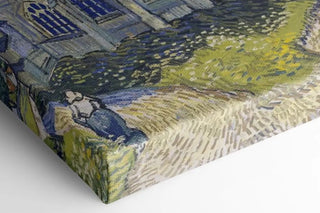
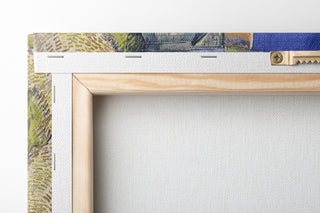
View from behind
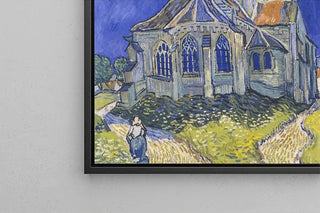
Frame (optional)
In the vibrant world of Dutch Baroque art, the art print "The Maid at the Well (Cas Conflict)" by Gerrit Dou stands out for its intimate atmosphere and striking realism. This 17th-century piece captures a fleeting moment of daily life, depicting a scene where everyday simplicity blends with emotional depth. The woman, busy drawing water, becomes the focal point of a richly detailed visual narrative. Every element of the composition, from the well to the play of shadow and light, invites the viewer to immerse themselves in a world that is both familiar and mysterious. Dou, a master of light, manages to transform an ordinary act into a contemplative experience, where each glance reveals a new nuance.
Style and uniqueness of the work
Gerrit Dou's style is characterized by meticulous realism and obsessive attention to detail. In "The Maid at the Well (Cas Conflict)", he employs a subtle palette of colors, where warm tones intertwine with delicate shadows, creating an atmosphere that is both serene and dynamic. The composition is carefully balanced, with each element playing a role in the visual storytelling. The woman, although engaged in her activity, also appears aware of the observer, establishing an almost palpable connection. Dou uses light not only to shape forms but also to emphasize emotions, making each gesture and expression imbued with unprecedented depth. This attention to detail, combined with exceptional technical mastery, gives the art print a singularity that continues to fascinate art enthusiasts.
The artist and his influence
Gerrit Dou, a pupil of Rembrandt, developed a style that is uniquely his own while drawing inspiration from the masters of his time. His ability to capture the essence of daily life through genre scenes left a mark on his era and influenced many artists. Dou played a key role in establishing the genre of genre painting, where the depiction of moments from domestic life takes on central importance. His works reveal a sensitivity to nuances
Art print The cleaning woman at the well (case conflict) - Gerrit Dou | Art print

-10% FROM €95 IN PURCHASES
-15% FROM €195 IN PURCHASES
Regular price
- Unit price
- per
Tax included.
Free shipping
€4.90 / Free shipping on orders over €39
Satisfied or Money Back
Free returns within 30 days
10-year warranty
Our prints are guaranteed for 10 years
Any questions? We are here!
by email to contact@artemlegrand.com
THE STEPS OF YOUR ORDER

STEP 1 - ORDER PLACED
Your order has been confirmed and we are starting production
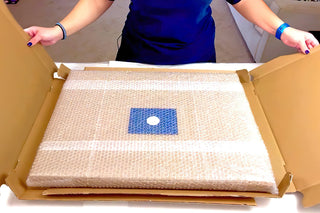
STEP 2 - SHIPPING
We ship your order. We send you an email to track the progress

STEP 3 - DELIVERY
You receive your order. You can also, according to your choice, be delivered to a relay point.
Matte finish
View from behind
Frame (optional)
In the vibrant world of Dutch Baroque art, the art print "The Maid at the Well (Cas Conflict)" by Gerrit Dou stands out for its intimate atmosphere and striking realism. This 17th-century piece captures a fleeting moment of daily life, depicting a scene where everyday simplicity blends with emotional depth. The woman, busy drawing water, becomes the focal point of a richly detailed visual narrative. Every element of the composition, from the well to the play of shadow and light, invites the viewer to immerse themselves in a world that is both familiar and mysterious. Dou, a master of light, manages to transform an ordinary act into a contemplative experience, where each glance reveals a new nuance.
Style and uniqueness of the work
Gerrit Dou's style is characterized by meticulous realism and obsessive attention to detail. In "The Maid at the Well (Cas Conflict)", he employs a subtle palette of colors, where warm tones intertwine with delicate shadows, creating an atmosphere that is both serene and dynamic. The composition is carefully balanced, with each element playing a role in the visual storytelling. The woman, although engaged in her activity, also appears aware of the observer, establishing an almost palpable connection. Dou uses light not only to shape forms but also to emphasize emotions, making each gesture and expression imbued with unprecedented depth. This attention to detail, combined with exceptional technical mastery, gives the art print a singularity that continues to fascinate art enthusiasts.
The artist and his influence
Gerrit Dou, a pupil of Rembrandt, developed a style that is uniquely his own while drawing inspiration from the masters of his time. His ability to capture the essence of daily life through genre scenes left a mark on his era and influenced many artists. Dou played a key role in establishing the genre of genre painting, where the depiction of moments from domestic life takes on central importance. His works reveal a sensitivity to nuances
12,34 €