
Painting La tête de la fille - Stanisław Wyspiański | Art print


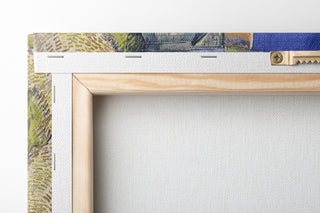
View from behind
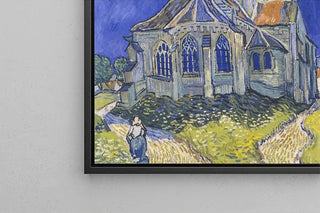
Frame (optional)
Reproduction La tête de la fille - Stanisław Wyspiański – Engaging Introduction
The head of the girl by Stanisław Wyspiański is a piece that captivates with its emotional intensity and psychological depth. Painted at the end of the 19th century, this iconic work is part of the Polish artistic movement, where the artist, through his unique perspective, invites us to explore the subtleties of feminine beauty. The composition, both delicate and powerful, evokes a certain melancholy while celebrating grace. This artwork, far from being a simple representation, is a true exploration of the soul, a window into the thoughts and emotions of a young woman who seems to observe us with a disturbing curiosity.
Style and uniqueness of the work
The head of the girl stands out for its distinctive style, blending symbolism and Art Nouveau. The facial features, finely detailed, reveal a technical mastery that testifies to Wyspiański's exceptional talent. The chosen color palette, both soft and vibrant, creates an intimate, almost dreamlike atmosphere. The delicately placed shadows and subtly worked lights bring this feminine figure to life, making her almost tangible. What strikes in this piece is the way the artist manages to capture not only the external appearance but also the very essence of his subject. The head of the girl thus becomes a symbol of ephemeral beauty, a reflection on the passage of time and the fragility of existence.
The artist and his influence
Stanisław Wyspiański, an emblematic figure of Polish art, marked his era with his diverse contributions, ranging from painting to poetry and theater. His work, deeply rooted in Polish culture and history, reflects an artistic commitment that transcends mere aesthetic concerns. Influenced by European currents of his time, he integrated them into his personal vision, creating a unique style that continues to inspire contemporary artists. Wyspiański was also a fervent defender of Polish national identity, and his creations, including The head of the girl, are imbued with a sense of belonging and pride.
Painting La tête de la fille - Stanisław Wyspiański | Art print

-10% FROM €95 IN PURCHASES
-15% FROM €195 IN PURCHASES
Regular price
- Unit price
- per
Tax included.
Free shipping
€4.90 / Free shipping on orders over €39
Satisfied or Money Back
Free returns within 30 days
10-year warranty
Our prints are guaranteed for 10 years
Any questions? We are here!
by email to contact@artemlegrand.com
THE STEPS OF YOUR ORDER

STEP 1 - ORDER PLACED
Your order has been confirmed and we are starting production
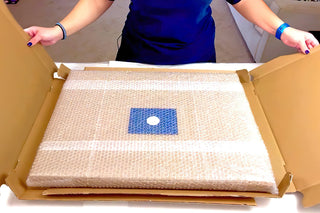
STEP 2 - SHIPPING
We ship your order. We send you an email to track the progress

STEP 3 - DELIVERY
You receive your order. You can also, according to your choice, be delivered to a relay point.
Matte finish
View from behind
Frame (optional)
Reproduction La tête de la fille - Stanisław Wyspiański – Engaging Introduction
The head of the girl by Stanisław Wyspiański is a piece that captivates with its emotional intensity and psychological depth. Painted at the end of the 19th century, this iconic work is part of the Polish artistic movement, where the artist, through his unique perspective, invites us to explore the subtleties of feminine beauty. The composition, both delicate and powerful, evokes a certain melancholy while celebrating grace. This artwork, far from being a simple representation, is a true exploration of the soul, a window into the thoughts and emotions of a young woman who seems to observe us with a disturbing curiosity.
Style and uniqueness of the work
The head of the girl stands out for its distinctive style, blending symbolism and Art Nouveau. The facial features, finely detailed, reveal a technical mastery that testifies to Wyspiański's exceptional talent. The chosen color palette, both soft and vibrant, creates an intimate, almost dreamlike atmosphere. The delicately placed shadows and subtly worked lights bring this feminine figure to life, making her almost tangible. What strikes in this piece is the way the artist manages to capture not only the external appearance but also the very essence of his subject. The head of the girl thus becomes a symbol of ephemeral beauty, a reflection on the passage of time and the fragility of existence.
The artist and his influence
Stanisław Wyspiański, an emblematic figure of Polish art, marked his era with his diverse contributions, ranging from painting to poetry and theater. His work, deeply rooted in Polish culture and history, reflects an artistic commitment that transcends mere aesthetic concerns. Influenced by European currents of his time, he integrated them into his personal vision, creating a unique style that continues to inspire contemporary artists. Wyspiański was also a fervent defender of Polish national identity, and his creations, including The head of the girl, are imbued with a sense of belonging and pride.
12,34 €