
Painting The Happiness of Marriage - Johann Georg Volmar | Art print


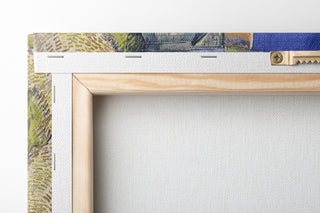
View from behind
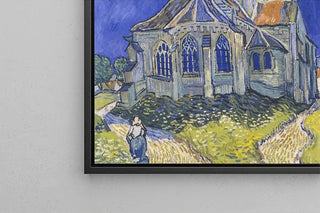
Frame (optional)
Reproduction Le Bonheur de l'Hymen - Johann Georg Volmar – Engaging Introduction
In the vibrant universe of art, some works manage to capture the very essence of human emotions, transcending eras and styles. "Le Bonheur de l'Hymen" by Johann Georg Volmar falls into this privileged category. This canvas, full of life and poetry, delicately illustrates themes of love and sacred union. Through a carefully crafted composition, Volmar invites us to immerse ourselves in a world where joy and tenderness reign supreme, offering a visual experience that leaves no one indifferent.
Style and uniqueness of the work
Volmar's work stands out for its delicate approach and keen attention to detail. "Le Bonheur de l'Hymen" is characterized by a palette of soft colors, where pastel shades blend harmoniously to create an atmosphere of serenity. The characters, depicted in natural and expressive poses, seem to come alive under the artist's brush. Every gesture, every gaze reflects palpable intimacy, making the piece profoundly touching. The light, in turn, plays a crucial role, illuminating the faces with an almost divine softness, thus emphasizing the message of love and happiness emanating from the scene. This painting, both simple and complex, invites prolonged contemplation, where each detail reveals a new facet of marital harmony.
The artist and his influence
Johann Georg Volmar, a German-born painter, established himself in the art scene thanks to his unique style and innovative approach to traditional themes. Trained under the great masters of his time, he developed a particular sensitivity to the nuances of human emotion. His work goes beyond mere representation; it seeks to capture the soul of the characters, translating feelings into colors and shapes. Volmar's influence is felt not only in his own creations but also through the artists who followed him. His perspective on love and married life paved the way for new artistic explorations, marking a turning point in the history of romantic art. By celebrating conjugal happiness, he contributed
Painting The Happiness of Marriage - Johann Georg Volmar | Art print

-10% FROM €95 IN PURCHASES
-15% FROM €195 IN PURCHASES
Regular price
- Unit price
- per
Tax included.
Free shipping
€4.90 / Free shipping on orders over €39
Satisfied or Money Back
Free returns within 30 days
10-year warranty
Our prints are guaranteed for 10 years
Any questions? We are here!
by email to contact@artemlegrand.com
THE STEPS OF YOUR ORDER

STEP 1 - ORDER PLACED
Your order has been confirmed and we are starting production
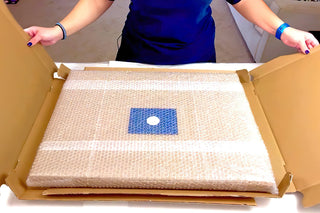
STEP 2 - SHIPPING
We ship your order. We send you an email to track the progress

STEP 3 - DELIVERY
You receive your order. You can also, according to your choice, be delivered to a relay point.
Matte finish
View from behind
Frame (optional)
Reproduction Le Bonheur de l'Hymen - Johann Georg Volmar – Engaging Introduction
In the vibrant universe of art, some works manage to capture the very essence of human emotions, transcending eras and styles. "Le Bonheur de l'Hymen" by Johann Georg Volmar falls into this privileged category. This canvas, full of life and poetry, delicately illustrates themes of love and sacred union. Through a carefully crafted composition, Volmar invites us to immerse ourselves in a world where joy and tenderness reign supreme, offering a visual experience that leaves no one indifferent.
Style and uniqueness of the work
Volmar's work stands out for its delicate approach and keen attention to detail. "Le Bonheur de l'Hymen" is characterized by a palette of soft colors, where pastel shades blend harmoniously to create an atmosphere of serenity. The characters, depicted in natural and expressive poses, seem to come alive under the artist's brush. Every gesture, every gaze reflects palpable intimacy, making the piece profoundly touching. The light, in turn, plays a crucial role, illuminating the faces with an almost divine softness, thus emphasizing the message of love and happiness emanating from the scene. This painting, both simple and complex, invites prolonged contemplation, where each detail reveals a new facet of marital harmony.
The artist and his influence
Johann Georg Volmar, a German-born painter, established himself in the art scene thanks to his unique style and innovative approach to traditional themes. Trained under the great masters of his time, he developed a particular sensitivity to the nuances of human emotion. His work goes beyond mere representation; it seeks to capture the soul of the characters, translating feelings into colors and shapes. Volmar's influence is felt not only in his own creations but also through the artists who followed him. His perspective on love and married life paved the way for new artistic explorations, marking a turning point in the history of romantic art. By celebrating conjugal happiness, he contributed
12,34 €