
Painting The Good Thief - Karel van Mander | Art print


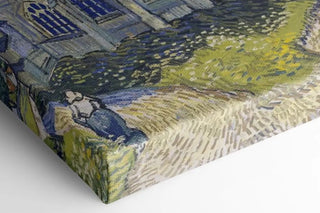
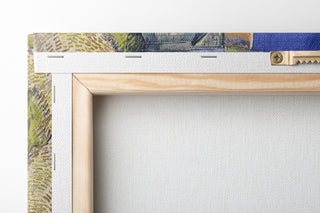
View from behind
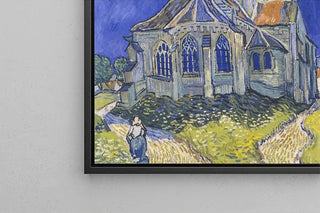
Frame (optional)
Reproduction Le bon voleur - Karel van Mander – Captivating Introduction
In the vibrant universe of Renaissance painting, "Le bon voleur" by Karel van Mander stands out for its narrative depth and visual daring. This artwork, emblematic of an era where art intertwines with literature and philosophy, immerses us in a scene filled with emotion and symbolism. Van Mander, a Dutch artist of the 16th century, masterfully captures a moment of tension and compassion, highlighting the duality of human nature. By contemplating this art print, viewers are invited to explore the subtleties of the human soul while absorbing the vibrant atmosphere emanating from each brushstroke.
Style and uniqueness of the work
Karel van Mander's style is characterized by a mastery of colors and forms that transcend mere representation. In "Le bon voleur," warm hues and delicate shadows create an intimate ambiance, while the dynamic composition guides the viewer’s gaze across the scene. The artist skillfully plays with light, emphasizing the faces of the characters while leaving the background in a gentle darkness. This technique, inherited from Renaissance masters, brings the artwork to life, allowing the figures to animate and tell their own story. The posture of the characters, their expressions, and even the details of their clothing all contribute to the narrative richness of the piece. This tableau is not merely a simple illustration but becomes a true visual story, where every detail matters.
The artist and his influence
Karel van Mander, often regarded as a precursor of Mannerism, left his mark on his era through his innovative approach to painting. Trained under the shadow of great masters, he developed a style that is uniquely his own, blending Flemish and Italian influences. His work is not only technical but also imbued with reflections on morality and the human condition. As an art theorist, Van Mander also left a lasting imprint on his contemporaries, notably through his book "Het Schilderboeck," which explores the lives and works of artists of his time. His impact continues to influence the art world today.
Painting The Good Thief - Karel van Mander | Art print

-10% FROM €95 IN PURCHASES
-15% FROM €195 IN PURCHASES
Regular price
- Unit price
- per
Tax included.
Free shipping
€4.90 / Free shipping on orders over €39
Satisfied or Money Back
Free returns within 30 days
10-year warranty
Our prints are guaranteed for 10 years
Any questions? We are here!
by email to contact@artemlegrand.com
THE STEPS OF YOUR ORDER

STEP 1 - ORDER PLACED
Your order has been confirmed and we are starting production
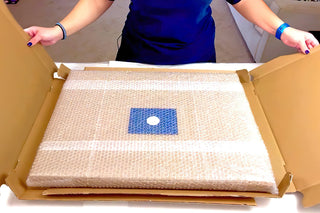
STEP 2 - SHIPPING
We ship your order. We send you an email to track the progress

STEP 3 - DELIVERY
You receive your order. You can also, according to your choice, be delivered to a relay point.
Matte finish
View from behind
Frame (optional)
Reproduction Le bon voleur - Karel van Mander – Captivating Introduction
In the vibrant universe of Renaissance painting, "Le bon voleur" by Karel van Mander stands out for its narrative depth and visual daring. This artwork, emblematic of an era where art intertwines with literature and philosophy, immerses us in a scene filled with emotion and symbolism. Van Mander, a Dutch artist of the 16th century, masterfully captures a moment of tension and compassion, highlighting the duality of human nature. By contemplating this art print, viewers are invited to explore the subtleties of the human soul while absorbing the vibrant atmosphere emanating from each brushstroke.
Style and uniqueness of the work
Karel van Mander's style is characterized by a mastery of colors and forms that transcend mere representation. In "Le bon voleur," warm hues and delicate shadows create an intimate ambiance, while the dynamic composition guides the viewer’s gaze across the scene. The artist skillfully plays with light, emphasizing the faces of the characters while leaving the background in a gentle darkness. This technique, inherited from Renaissance masters, brings the artwork to life, allowing the figures to animate and tell their own story. The posture of the characters, their expressions, and even the details of their clothing all contribute to the narrative richness of the piece. This tableau is not merely a simple illustration but becomes a true visual story, where every detail matters.
The artist and his influence
Karel van Mander, often regarded as a precursor of Mannerism, left his mark on his era through his innovative approach to painting. Trained under the shadow of great masters, he developed a style that is uniquely his own, blending Flemish and Italian influences. His work is not only technical but also imbued with reflections on morality and the human condition. As an art theorist, Van Mander also left a lasting imprint on his contemporaries, notably through his book "Het Schilderboeck," which explores the lives and works of artists of his time. His impact continues to influence the art world today.
12,34 €