
Painting The Good Samaritan - Rembrandt van Rijn | Art print


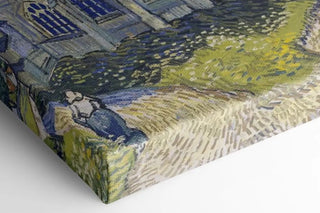
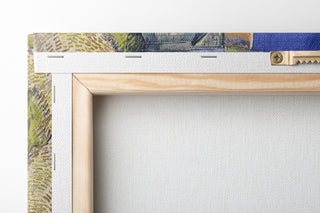
View from behind
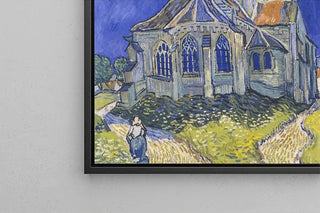
Frame (optional)
The artwork "The Good Samaritan" by Rembrandt van Rijn is a true ode to human compassion. Painted in the 17th century, this iconic canvas powerfully depicts the biblical story of the Samaritan helping an injured traveler with unmatched emotional depth. In a world often marked by indifference, Rembrandt manages to capture the very essence of empathy through plays of light and shadow, creating an atmosphere that is both dramatic and comforting. The scene unfolds in a landscape that is both realistic and symbolic, where each character is imbued with palpable humanity, inviting viewers to reflect on the nature of kindness.
Style and uniqueness of the artwork
Rembrandt's mastery in the use of light is one of the most fascinating aspects of "The Good Samaritan." He employs subtle lighting to direct attention to the central figures, while leaving the rest of the composition in suggestive darkness. This technique, known as chiaroscuro, enhances the characters' emotions and their interaction, creating a striking contrast between good and evil, help and abandonment. The detail in facial expressions, gestures, and clothing demonstrates meticulous observation of the human condition. Rembrandt does not merely depict a scene; he tells a complex story where each visual element contributes to the emotional impact of the piece. Thus, the uniqueness of this canvas lies not only in its technique but also in the depth of its message.
The artist and his influence
Rembrandt van Rijn, an emblematic figure of the Dutch Golden Age, transcended his era through an innovative approach to painting. Born in 1606 in Leiden, he developed a style that combines realism and emotion, challenging the artistic conventions of his time. "The Good Samaritan" is a perfect example of his commitment to biblical themes, but also of his interest in the psychology of characters. His influence extends far beyond his time, inspiring generations of artists to explore light, shadow, and emotion in their works. Rembrandt paved the way for a
Painting The Good Samaritan - Rembrandt van Rijn | Art print

-10% FROM €95 IN PURCHASES
-15% FROM €195 IN PURCHASES
Regular price
- Unit price
- per
Tax included.
Free shipping
€4.90 / Free shipping on orders over €39
Satisfied or Money Back
Free returns within 30 days
10-year warranty
Our prints are guaranteed for 10 years
Any questions? We are here!
by email to contact@artemlegrand.com
THE STEPS OF YOUR ORDER

STEP 1 - ORDER PLACED
Your order has been confirmed and we are starting production
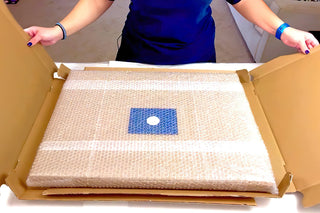
STEP 2 - SHIPPING
We ship your order. We send you an email to track the progress

STEP 3 - DELIVERY
You receive your order. You can also, according to your choice, be delivered to a relay point.
Matte finish
View from behind
Frame (optional)
The artwork "The Good Samaritan" by Rembrandt van Rijn is a true ode to human compassion. Painted in the 17th century, this iconic canvas powerfully depicts the biblical story of the Samaritan helping an injured traveler with unmatched emotional depth. In a world often marked by indifference, Rembrandt manages to capture the very essence of empathy through plays of light and shadow, creating an atmosphere that is both dramatic and comforting. The scene unfolds in a landscape that is both realistic and symbolic, where each character is imbued with palpable humanity, inviting viewers to reflect on the nature of kindness.
Style and uniqueness of the artwork
Rembrandt's mastery in the use of light is one of the most fascinating aspects of "The Good Samaritan." He employs subtle lighting to direct attention to the central figures, while leaving the rest of the composition in suggestive darkness. This technique, known as chiaroscuro, enhances the characters' emotions and their interaction, creating a striking contrast between good and evil, help and abandonment. The detail in facial expressions, gestures, and clothing demonstrates meticulous observation of the human condition. Rembrandt does not merely depict a scene; he tells a complex story where each visual element contributes to the emotional impact of the piece. Thus, the uniqueness of this canvas lies not only in its technique but also in the depth of its message.
The artist and his influence
Rembrandt van Rijn, an emblematic figure of the Dutch Golden Age, transcended his era through an innovative approach to painting. Born in 1606 in Leiden, he developed a style that combines realism and emotion, challenging the artistic conventions of his time. "The Good Samaritan" is a perfect example of his commitment to biblical themes, but also of his interest in the psychology of characters. His influence extends far beyond his time, inspiring generations of artists to explore light, shadow, and emotion in their works. Rembrandt paved the way for a
12,34 €