
Painting La fille aux oies - Mosè Bianchi | Art print


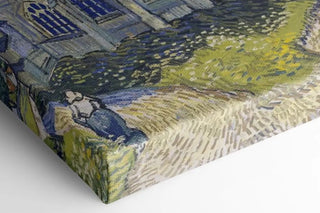
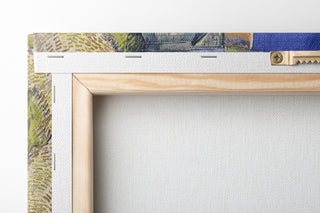
View from behind
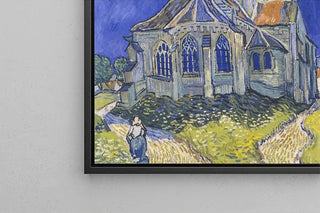
Frame (optional)
In the rich and varied panorama of 19th-century Italian art, "La fille aux oies" by Mosè Bianchi stands out for its delicacy and emotional depth. This artwork, which captures the simplicity of a rural moment, immerses us in a universe where nature and humanity coexist harmoniously. The scene depicts a young girl, surrounded by geese, whose gentle and contemplative expression evokes an intimate connection with her environment. Through this representation, Bianchi does not merely paint; he tells a story, a visual anecdote that resonates with anyone who has experienced the beauty of simple and authentic moments.
Style and uniqueness of the work
Mosè Bianchi's style is characterized by meticulous attention to detail and a color palette that evokes natural light. In "La fille aux oies," the artist uses delicate shades to depict the feathers of the geese and the clothing of the young girl, creating an atmosphere that is both warm and soothing. The composition is carefully orchestrated: the girl's slightly tilted posture and the movement of the geese add a subtle dynamism to the overall scene. Bianchi excels in capturing human expressions, and here, the pensive gaze of the young girl invites the viewer to reflect on their own relationship with nature and the simplicity of everyday life. This painting is an ode to innocence and the beauty of fleeting moments, a true testament to the artistic sensitivity of its time.
The artist and his influence
Mosè Bianchi, born in Monza in 1840, is part of the artistic movement that seeks to depict reality authentically. Influenced by the realist movement, he committed to portraying scenes of daily life, far from academic ideals and idealized representations. His work had a significant impact on his contemporaries and paved the way for a more humanist approach to art. By incorporating elements of rural life into his works, Bianchi contributes to the valorization of the working classes and the recognition of their place in art history. His ability to create vibrant and evocative portraits has inspired
Painting La fille aux oies - Mosè Bianchi | Art print

-10% FROM €95 IN PURCHASES
-15% FROM €195 IN PURCHASES
Regular price
- Unit price
- per
Tax included.
Free shipping
€4.90 / Free shipping on orders over €39
Satisfied or Money Back
Free returns within 30 days
10-year warranty
Our prints are guaranteed for 10 years
Any questions? We are here!
by email to contact@artemlegrand.com
THE STEPS OF YOUR ORDER

STEP 1 - ORDER PLACED
Your order has been confirmed and we are starting production
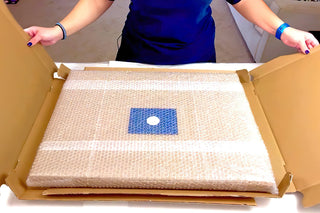
STEP 2 - SHIPPING
We ship your order. We send you an email to track the progress

STEP 3 - DELIVERY
You receive your order. You can also, according to your choice, be delivered to a relay point.
Matte finish
View from behind
Frame (optional)
In the rich and varied panorama of 19th-century Italian art, "La fille aux oies" by Mosè Bianchi stands out for its delicacy and emotional depth. This artwork, which captures the simplicity of a rural moment, immerses us in a universe where nature and humanity coexist harmoniously. The scene depicts a young girl, surrounded by geese, whose gentle and contemplative expression evokes an intimate connection with her environment. Through this representation, Bianchi does not merely paint; he tells a story, a visual anecdote that resonates with anyone who has experienced the beauty of simple and authentic moments.
Style and uniqueness of the work
Mosè Bianchi's style is characterized by meticulous attention to detail and a color palette that evokes natural light. In "La fille aux oies," the artist uses delicate shades to depict the feathers of the geese and the clothing of the young girl, creating an atmosphere that is both warm and soothing. The composition is carefully orchestrated: the girl's slightly tilted posture and the movement of the geese add a subtle dynamism to the overall scene. Bianchi excels in capturing human expressions, and here, the pensive gaze of the young girl invites the viewer to reflect on their own relationship with nature and the simplicity of everyday life. This painting is an ode to innocence and the beauty of fleeting moments, a true testament to the artistic sensitivity of its time.
The artist and his influence
Mosè Bianchi, born in Monza in 1840, is part of the artistic movement that seeks to depict reality authentically. Influenced by the realist movement, he committed to portraying scenes of daily life, far from academic ideals and idealized representations. His work had a significant impact on his contemporaries and paved the way for a more humanist approach to art. By incorporating elements of rural life into his works, Bianchi contributes to the valorization of the working classes and the recognition of their place in art history. His ability to create vibrant and evocative portraits has inspired
12,34 €