
Painting Les Marchandes de modes - Jean-Baptiste Mallet | Art print


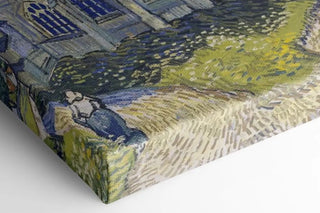
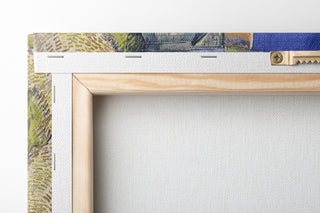
View from behind
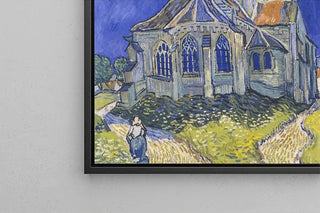
Frame (optional)
In the vibrant world of 18th-century French painting, "Les Marchandes de modes" by Jean-Baptiste Mallet stands out for its brilliance and finesse. This artwork, emblematic of the genre of portrait of genre, immerses us in the refined universe of fashions and customs of the time. Through a carefully orchestrated composition, Mallet invites us to observe a scene where elegance and sophistication blend with everyday life. The characters, delicately dressed, reflect a society in full transformation, where fashion becomes a true art of living. The scene, imbued with lightness, transports us to a suspended moment, where every detail matters and every glance tells a story.
Style and uniqueness of the work
Jean-Baptiste Mallet's style is characterized by a keen sense of observation and meticulous attention to detail. The vibrant colors and play of light give "Les Marchandes de modes" an almost lifelike dimension. The fabrics, richly depicted, seem tangible, while the faces of the characters express a range of emotions from joy to melancholy. Mallet succeeds in capturing the very essence of his subjects, revealing not only their outer beauty but also psychological depth. This painting is not limited to a simple representation; it becomes a reflection on the human condition, on the aspirations and desires of women of his time. The composition, carefully balanced, guides the viewer's gaze across the scene, encouraging prolonged contemplation.
The artist and his influence
Jean-Baptiste Mallet, active in the 18th century, established himself as an essential artist of his era. Son of a painter, he inherited a craftsmanship and artistic sensitivity that led him to explore various genres, from portrait to genre scene. His work is marked by a desire for innovation, while remaining within the classical tradition. Mallet adapted within a vibrant artistic context, mingling with emblematic figures such as François Boucher and Jean-Honoré Fragonard. His influence is felt not only in his own creations but also among many artists who followed in his footsteps, inspired
Painting Les Marchandes de modes - Jean-Baptiste Mallet | Art print

-10% FROM €95 IN PURCHASES
-15% FROM €195 IN PURCHASES
Regular price
- Unit price
- per
Tax included.
Free shipping
€4.90 / Free shipping on orders over €39
Satisfied or Money Back
Free returns within 30 days
10-year warranty
Our prints are guaranteed for 10 years
Any questions? We are here!
by email to contact@artemlegrand.com
THE STEPS OF YOUR ORDER

STEP 1 - ORDER PLACED
Your order has been confirmed and we are starting production
STEP 2 - SHIPPING
We ship your order. We send you an email to track the progress

STEP 3 - DELIVERY
You receive your order. You can also, according to your choice, be delivered to a relay point.
Matte finish
View from behind
Frame (optional)
In the vibrant world of 18th-century French painting, "Les Marchandes de modes" by Jean-Baptiste Mallet stands out for its brilliance and finesse. This artwork, emblematic of the genre of portrait of genre, immerses us in the refined universe of fashions and customs of the time. Through a carefully orchestrated composition, Mallet invites us to observe a scene where elegance and sophistication blend with everyday life. The characters, delicately dressed, reflect a society in full transformation, where fashion becomes a true art of living. The scene, imbued with lightness, transports us to a suspended moment, where every detail matters and every glance tells a story.
Style and uniqueness of the work
Jean-Baptiste Mallet's style is characterized by a keen sense of observation and meticulous attention to detail. The vibrant colors and play of light give "Les Marchandes de modes" an almost lifelike dimension. The fabrics, richly depicted, seem tangible, while the faces of the characters express a range of emotions from joy to melancholy. Mallet succeeds in capturing the very essence of his subjects, revealing not only their outer beauty but also psychological depth. This painting is not limited to a simple representation; it becomes a reflection on the human condition, on the aspirations and desires of women of his time. The composition, carefully balanced, guides the viewer's gaze across the scene, encouraging prolonged contemplation.
The artist and his influence
Jean-Baptiste Mallet, active in the 18th century, established himself as an essential artist of his era. Son of a painter, he inherited a craftsmanship and artistic sensitivity that led him to explore various genres, from portrait to genre scene. His work is marked by a desire for innovation, while remaining within the classical tradition. Mallet adapted within a vibrant artistic context, mingling with emblematic figures such as François Boucher and Jean-Honoré Fragonard. His influence is felt not only in his own creations but also among many artists who followed in his footsteps, inspired
12,34 €