
Painting The Family Correspondence - Marguerite Gérard | Art print


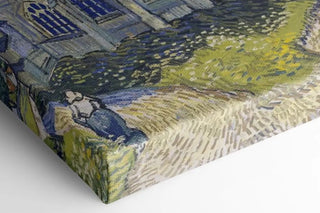
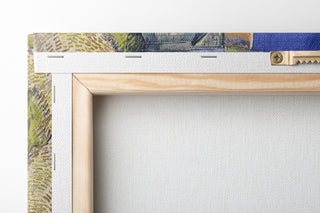
View from behind
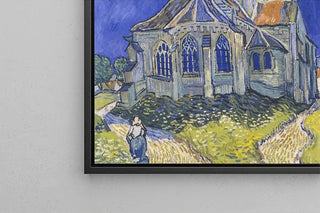
Frame (optional)
In the vast panorama of art history, certain works stand out for their ability to capture intimate moments and evoke deep emotions. "The Family Correspondence" by Marguerite Gérard is one of those creations that, through its delicacy and realism, invites us to delve into the universe of a bygone era. This painting, set in a bourgeois interior of the 18th century, depicts a scene of everyday life where correspondence takes on an almost sacred dimension. The characters, frozen in a moment of sharing, seem to whisper forgotten secrets, transporting us into a silent dialogue between the past and the present.
Style and uniqueness of the work
Marguerite Gérard's style is characterized by finesse of execution and meticulous attention to detail. In "The Family Correspondence," every element, from furniture to the characters' clothing, is treated with precision that reflects a deep respect for reality. The soft light illuminating the scene adds a warm and intimate atmosphere, while the expressions of the figures reveal a range of emotions from melancholy to joy. Gérard, often associated with her mentor Jean-Honoré Fragonard, develops here a personal approach focused on human interactions and family relationships. The composition invites the viewer to observe the subtleties of domestic life, transforming a simple act of writing into a moment of communion and reflection.
The artist and her influence
Marguerite Gérard, born in 1761, is often regarded as one of the pioneers of genre painting in the female sphere. Her career, although sometimes overshadowed by that of her male contemporaries, demonstrates undeniable talent and a unique artistic vision. A student of Fragonard, she managed to emancipate herself from her master's shadow to develop a style that is her own. Gérard was particularly interested in daily life and human relationships, a choice that allowed her to stand out in an artistic environment dominated by historical or mythological themes. Her influence endures, inspiring many artists who, like her, seek to explore the subtleties of human emotions through the lens of domestic life.
Painting The Family Correspondence - Marguerite Gérard | Art print

-10% FROM €95 IN PURCHASES
-15% FROM €195 IN PURCHASES
Regular price
- Unit price
- per
Tax included.
Free shipping
€4.90 / Free shipping on orders over €39
Satisfied or Money Back
Free returns within 30 days
10-year warranty
Our prints are guaranteed for 10 years
Any questions? We are here!
by email to contact@artemlegrand.com
THE STEPS OF YOUR ORDER

STEP 1 - ORDER PLACED
Your order has been confirmed and we are starting production
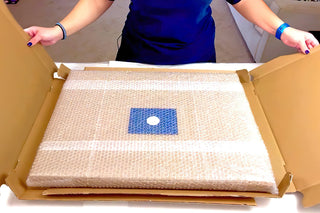
STEP 2 - SHIPPING
We ship your order. We send you an email to track the progress

STEP 3 - DELIVERY
You receive your order. You can also, according to your choice, be delivered to a relay point.
Matte finish
View from behind
Frame (optional)
In the vast panorama of art history, certain works stand out for their ability to capture intimate moments and evoke deep emotions. "The Family Correspondence" by Marguerite Gérard is one of those creations that, through its delicacy and realism, invites us to delve into the universe of a bygone era. This painting, set in a bourgeois interior of the 18th century, depicts a scene of everyday life where correspondence takes on an almost sacred dimension. The characters, frozen in a moment of sharing, seem to whisper forgotten secrets, transporting us into a silent dialogue between the past and the present.
Style and uniqueness of the work
Marguerite Gérard's style is characterized by finesse of execution and meticulous attention to detail. In "The Family Correspondence," every element, from furniture to the characters' clothing, is treated with precision that reflects a deep respect for reality. The soft light illuminating the scene adds a warm and intimate atmosphere, while the expressions of the figures reveal a range of emotions from melancholy to joy. Gérard, often associated with her mentor Jean-Honoré Fragonard, develops here a personal approach focused on human interactions and family relationships. The composition invites the viewer to observe the subtleties of domestic life, transforming a simple act of writing into a moment of communion and reflection.
The artist and her influence
Marguerite Gérard, born in 1761, is often regarded as one of the pioneers of genre painting in the female sphere. Her career, although sometimes overshadowed by that of her male contemporaries, demonstrates undeniable talent and a unique artistic vision. A student of Fragonard, she managed to emancipate herself from her master's shadow to develop a style that is her own. Gérard was particularly interested in daily life and human relationships, a choice that allowed her to stand out in an artistic environment dominated by historical or mythological themes. Her influence endures, inspiring many artists who, like her, seek to explore the subtleties of human emotions through the lens of domestic life.
12,34 €