
Painting Le Fakir - Frits van den Berghe | Art print


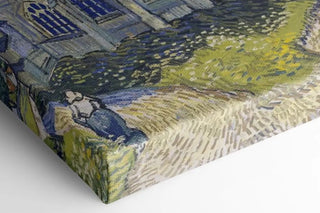
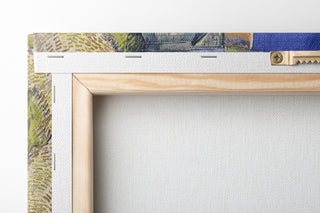
View from behind
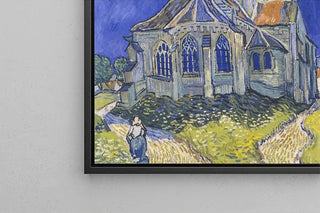
Frame (optional)
In the fascinating world of art, some works stand out for their ability to capture the human essence and evoke deep emotions. "The Fakir" by Frits van den Berghe is one of those creations that transports the viewer into a universe filled with mystery and spirituality. This piece, rich in symbolism and color, invites us to explore the depths of the human soul through the lens of Eastern culture. Contemplating this work, one immediately feels a connection with the artist, who manages to transcend the boundaries of time and space.
Style and uniqueness of the artwork
Frits van den Berghe's style is characterized by a bold and innovative approach, blending surrealist and expressionist influences. "The Fakir" stands out with its vibrant colors and stylized forms, creating an atmosphere that is both dreamlike and unsettling. The artist uses warm hues to evoke the heat of the desert and the mystique of Eastern traditions. The characters, often distorted, seem to emerge from a dream, reinforcing this sense of escape. The composition of the piece, carefully thought out, guides the viewer's gaze through a landscape rich in detail, where each element tells a story. The motifs and symbols present in "The Fakir" invite personal interpretation, leaving room for imagination and reflection.
The artist and his influence
Frits van den Berghe, an emblematic figure of Belgian art in the 20th century, managed to mark his era with his unique vision and inimitable style. Influenced by the avant-garde movements of his time, he developed an aesthetic that is entirely his own, combining psychological introspection with an exploration of universal themes such as spirituality, self-discovery, and the human condition. The artist was also an active member of the "Libre Esthétique" group, which advocated for freedom of expression and innovation in art. His work had a significant impact on his contemporaries and continues to inspire new generations of artists. By revisiting traditional motifs through a modern lens, Van den Berghe managed to establish a
Painting Le Fakir - Frits van den Berghe | Art print

-10% FROM €95 IN PURCHASES
-15% FROM €195 IN PURCHASES
Regular price
- Unit price
- by
Free shipping
€4.90 / Free shipping on orders over €39
Satisfied or Money Back
Free returns within 30 days
10-year warranty
Our prints are guaranteed for 10 years
Any questions? We are here!
by email to contact@artemlegrand.com
THE STEPS OF YOUR ORDER
STEP 1 - ORDER PLACED
Your order has been confirmed and we are starting production
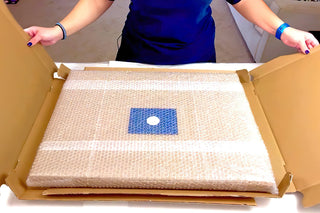
STEP 2 - SHIPPING
We ship your order. We send you an email to track the progress

STEP 3 - DELIVERY
You receive your order. You can also, according to your choice, be delivered to a relay point.
Matte finish
View from behind
Frame (optional)
In the fascinating world of art, some works stand out for their ability to capture the human essence and evoke deep emotions. "The Fakir" by Frits van den Berghe is one of those creations that transports the viewer into a universe filled with mystery and spirituality. This piece, rich in symbolism and color, invites us to explore the depths of the human soul through the lens of Eastern culture. Contemplating this work, one immediately feels a connection with the artist, who manages to transcend the boundaries of time and space.
Style and uniqueness of the artwork
Frits van den Berghe's style is characterized by a bold and innovative approach, blending surrealist and expressionist influences. "The Fakir" stands out with its vibrant colors and stylized forms, creating an atmosphere that is both dreamlike and unsettling. The artist uses warm hues to evoke the heat of the desert and the mystique of Eastern traditions. The characters, often distorted, seem to emerge from a dream, reinforcing this sense of escape. The composition of the piece, carefully thought out, guides the viewer's gaze through a landscape rich in detail, where each element tells a story. The motifs and symbols present in "The Fakir" invite personal interpretation, leaving room for imagination and reflection.
The artist and his influence
Frits van den Berghe, an emblematic figure of Belgian art in the 20th century, managed to mark his era with his unique vision and inimitable style. Influenced by the avant-garde movements of his time, he developed an aesthetic that is entirely his own, combining psychological introspection with an exploration of universal themes such as spirituality, self-discovery, and the human condition. The artist was also an active member of the "Libre Esthétique" group, which advocated for freedom of expression and innovation in art. His work had a significant impact on his contemporaries and continues to inspire new generations of artists. By revisiting traditional motifs through a modern lens, Van den Berghe managed to establish a