
Painting The Death of Buddha - Odilon Redon | Art print


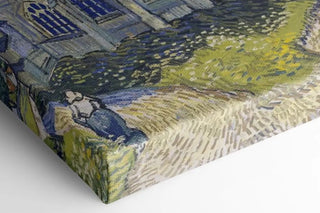
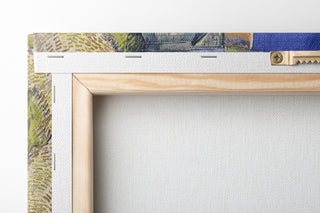
View from behind
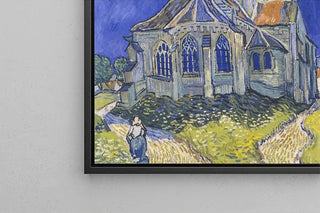
Frame (optional)
La Mort de Bouddha - Odilon Redon – Captivating Introduction
At the heart of mystery and spirituality, "La Mort de Bouddha" by Odilon Redon stands out as an iconic artwork that transcends mere boundaries of painting. This creation, imbued with emotional depth and philosophical reflection, invites viewers to delve into the intricacies of human existence and spiritual quest. Through delicate colors and striking composition, Redon manages to capture the very essence of death and rebirth, two universal themes that resonate across ages. Contemplating this piece, one feels a tangible connection to Buddhist traditions, while witnessing the artistic genius of a man who masterfully blends symbolism and introspection.
Style and uniqueness of the artwork
The uniqueness of "La Mort de Bouddha" lies in Odilon Redon's inimitable style, which oscillates between dream and reality. Fluid forms and pastel colors blend harmoniously to create an atmosphere that is both serene and unsettling. The artist employs delicate shadows and subtle lights to evoke transcendence, while the human figures, though stylized, seem imbued with profound humanity. The depiction of Buddha himself, surrounded by an aura of peace and wisdom, invites meditation. The composition, both simple and complex, reflects the idea that death is not an end, but rather a passage to another state of being. Thus, each brushstroke becomes an invitation to explore the mysteries of the soul and universe.
The artist and his influence
Odilon Redon, an emblematic figure of the Symbolist movement, left a mark on his era with a unique artistic vision. His work, often inspired by literature, philosophy, and spirituality, bears witness to an ongoing quest to understand the world around him. Redon stands out for his ability to translate complex emotions into evocative images, and "La Mort de Bouddha" is a perfect example. His influence extends beyond his time, touching generations of artists and thinkers who see in him a precursor of the
Painting The Death of Buddha - Odilon Redon | Art print

-10% FROM €95 IN PURCHASES
-15% FROM €195 IN PURCHASES
Regular price
- Unit price
- per
Tax included.
Free shipping
€4.90 / Free shipping on orders over €39
Satisfied or Money Back
Free returns within 30 days
10-year warranty
Our prints are guaranteed for 10 years
Any questions? We are here!
by email to contact@artemlegrand.com
THE STEPS OF YOUR ORDER

STEP 1 - ORDER PLACED
Your order has been confirmed and we are starting production
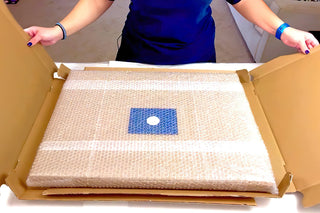
STEP 2 - SHIPPING
We ship your order. We send you an email to track the progress

STEP 3 - DELIVERY
You receive your order. You can also, according to your choice, be delivered to a relay point.
Matte finish
View from behind
Frame (optional)
La Mort de Bouddha - Odilon Redon – Captivating Introduction
At the heart of mystery and spirituality, "La Mort de Bouddha" by Odilon Redon stands out as an iconic artwork that transcends mere boundaries of painting. This creation, imbued with emotional depth and philosophical reflection, invites viewers to delve into the intricacies of human existence and spiritual quest. Through delicate colors and striking composition, Redon manages to capture the very essence of death and rebirth, two universal themes that resonate across ages. Contemplating this piece, one feels a tangible connection to Buddhist traditions, while witnessing the artistic genius of a man who masterfully blends symbolism and introspection.
Style and uniqueness of the artwork
The uniqueness of "La Mort de Bouddha" lies in Odilon Redon's inimitable style, which oscillates between dream and reality. Fluid forms and pastel colors blend harmoniously to create an atmosphere that is both serene and unsettling. The artist employs delicate shadows and subtle lights to evoke transcendence, while the human figures, though stylized, seem imbued with profound humanity. The depiction of Buddha himself, surrounded by an aura of peace and wisdom, invites meditation. The composition, both simple and complex, reflects the idea that death is not an end, but rather a passage to another state of being. Thus, each brushstroke becomes an invitation to explore the mysteries of the soul and universe.
The artist and his influence
Odilon Redon, an emblematic figure of the Symbolist movement, left a mark on his era with a unique artistic vision. His work, often inspired by literature, philosophy, and spirituality, bears witness to an ongoing quest to understand the world around him. Redon stands out for his ability to translate complex emotions into evocative images, and "La Mort de Bouddha" is a perfect example. His influence extends beyond his time, touching generations of artists and thinkers who see in him a precursor of the
12,34 €