
Painting The Dauphin François Son of François I - Jean Clouet | Art print


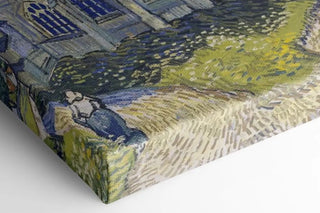
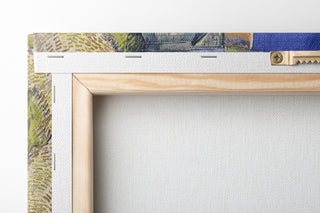
View from behind
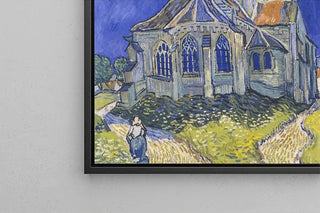
Frame (optional)
In the fascinating world of the French Renaissance, the artwork "The Dauphin François Son of François I" by Jean Clouet stands out for its elegance and psychological depth. This portrait, which captures the son of King François I, is not merely a depiction of a young prince but also a reflection of the aspirations and values of an era marked by humanism and courtly art. Through this painting, Clouet manages to immortalize not only the physical features of the dauphin but also his essence, dignity, and the weight of his royal heritage. The art print of this iconic piece allows for an appreciation of the subtleties of its execution while immersing oneself in the atmosphere of the French court in the 16th century.
Style and uniqueness of the work
Clouet's style is characterized by meticulous attention to detail and a palette of delicate colors, which give his portraits an almost lifelike dimension. In "The Dauphin François Son of François I," every element, from the sumptuous costume to the subtle expressions on the face, is treated with remarkable precision. The posture of the young dauphin, slightly turned, suggests a certain introspection, while his gaze, both innocent and full of promise, captivates the viewer. The background, often discreet in Clouet's works, highlights the main subject without ever diverting attention. This attention to detail and visual harmony make this work a perfect example of royal portraiture during the Renaissance, where the artist succeeds in combining faithful representation with idealization.
The artist and his influence
Jean Clouet, active in the early 16th century, is often regarded as one of the masters of court portraiture under François I. His ability to capture the individuality of his subjects while respecting the conventions of the time made him a key figure in French art. Clouet drew inspiration from Flemish techniques while developing a distinctive style that would influence many artists thereafter. His approach to portraiture, where the psychology of the subject is emphasized, prefigures stylistic evolutions that would shape European painting in the following centuries. By immortalizing the dauphin,
Painting The Dauphin François Son of François I - Jean Clouet | Art print

-10% FROM €95 IN PURCHASES
-15% FROM €195 IN PURCHASES
Regular price
- Unit price
- per
Tax included.
Free shipping
€4.90 / Free shipping on orders over €39
Satisfied or Money Back
Free returns within 30 days
10-year warranty
Our prints are guaranteed for 10 years
Any questions? We are here!
by email to contact@artemlegrand.com
THE STEPS OF YOUR ORDER

STEP 1 - ORDER PLACED
Your order has been confirmed and we are starting production
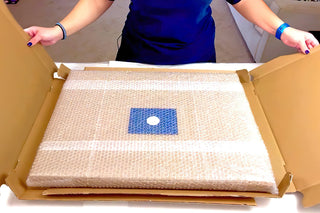
STEP 2 - SHIPPING
We ship your order. We send you an email to track the progress

STEP 3 - DELIVERY
You receive your order. You can also, according to your choice, be delivered to a relay point.
Matte finish
View from behind
Frame (optional)
In the fascinating world of the French Renaissance, the artwork "The Dauphin François Son of François I" by Jean Clouet stands out for its elegance and psychological depth. This portrait, which captures the son of King François I, is not merely a depiction of a young prince but also a reflection of the aspirations and values of an era marked by humanism and courtly art. Through this painting, Clouet manages to immortalize not only the physical features of the dauphin but also his essence, dignity, and the weight of his royal heritage. The art print of this iconic piece allows for an appreciation of the subtleties of its execution while immersing oneself in the atmosphere of the French court in the 16th century.
Style and uniqueness of the work
Clouet's style is characterized by meticulous attention to detail and a palette of delicate colors, which give his portraits an almost lifelike dimension. In "The Dauphin François Son of François I," every element, from the sumptuous costume to the subtle expressions on the face, is treated with remarkable precision. The posture of the young dauphin, slightly turned, suggests a certain introspection, while his gaze, both innocent and full of promise, captivates the viewer. The background, often discreet in Clouet's works, highlights the main subject without ever diverting attention. This attention to detail and visual harmony make this work a perfect example of royal portraiture during the Renaissance, where the artist succeeds in combining faithful representation with idealization.
The artist and his influence
Jean Clouet, active in the early 16th century, is often regarded as one of the masters of court portraiture under François I. His ability to capture the individuality of his subjects while respecting the conventions of the time made him a key figure in French art. Clouet drew inspiration from Flemish techniques while developing a distinctive style that would influence many artists thereafter. His approach to portraiture, where the psychology of the subject is emphasized, prefigures stylistic evolutions that would shape European painting in the following centuries. By immortalizing the dauphin,
12,34 €