
Painting The Crucifixion - Friedrich Brentel | Art print


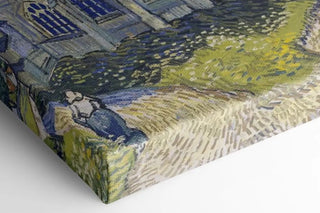
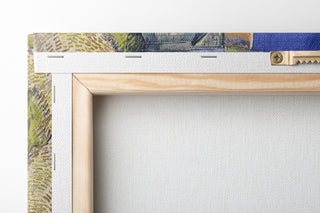
View from behind
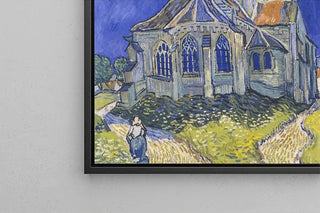
Frame (optional)
Friedrich Brentel's Art print of The Crucifixion is a timeless masterpiece that captivates art enthusiasts with its emotional depth and symbolic richness. This iconic depiction of Christ's Passion, imbued with spirituality, invites reflection on suffering, redemption, and sacrifice. Through delicate nuances and a skillfully orchestrated play of light, Brentel manages to create an atmosphere that is both solemn and emotive, transporting viewers into the heart of a universal drama. Contemplating this work fosters an intimate connection with themes of faith and human pain, making each gaze unique and personal.
Style and uniqueness of the piece
Brentel's style is characterized by a remarkable mastery of detail and a keen attention to the expression of figures. In this Art print, the composition is carefully arranged, with each element contributing harmoniously to the whole. The faces of the protagonists, marked by poignant expressions, reflect profound humanity. The contrast between shadows and light enhances the scene's dramatic intensity, while the colors, though subdued, reveal a rich and nuanced palette. This work does not merely depict a biblical event; it also evokes universal emotions, allowing each viewer to identify with it and find a personal echo. Brentel's technique, blending realism with baroque elements, bestows this piece with a timeless aura, making it a cornerstone of religious art.
The artist and his influence
Friedrich Brentel, a 17th-century artist, is an emblematic figure of Baroque art, whose work left a significant mark on his era through its expressive power. Although less known than some of his contemporaries, Brentel distinguished himself through his innovative approach and his ability to capture the very essence of his subjects. His influence is felt not only in religious painting but also in how he integrated elements of popular culture of his time. By revisiting classical themes with modern sensitivity, he paved the way for new artistic movements. The legacy of
Painting The Crucifixion - Friedrich Brentel | Art print

-10% FROM €95 IN PURCHASES
-15% FROM €195 IN PURCHASES
Regular price
- Unit price
- by
Free shipping
€4.90 / Free shipping on orders over €39
Satisfied or Money Back
Free returns within 30 days
10-year warranty
Our prints are guaranteed for 10 years
Any questions? We are here!
by email to contact@artemlegrand.com
THE STEPS OF YOUR ORDER

STEP 1 - ORDER PLACED
Your order has been confirmed and we are starting production
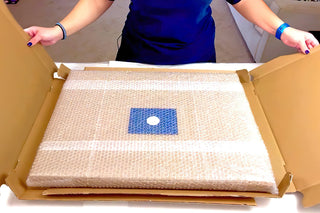
STEP 2 - SHIPPING
We ship your order. We send you an email to track the progress

STEP 3 - DELIVERY
You receive your order. You can also, according to your choice, be delivered to a relay point.
Matte finish
View from behind
Frame (optional)
Friedrich Brentel's Art print of The Crucifixion is a timeless masterpiece that captivates art enthusiasts with its emotional depth and symbolic richness. This iconic depiction of Christ's Passion, imbued with spirituality, invites reflection on suffering, redemption, and sacrifice. Through delicate nuances and a skillfully orchestrated play of light, Brentel manages to create an atmosphere that is both solemn and emotive, transporting viewers into the heart of a universal drama. Contemplating this work fosters an intimate connection with themes of faith and human pain, making each gaze unique and personal.
Style and uniqueness of the piece
Brentel's style is characterized by a remarkable mastery of detail and a keen attention to the expression of figures. In this Art print, the composition is carefully arranged, with each element contributing harmoniously to the whole. The faces of the protagonists, marked by poignant expressions, reflect profound humanity. The contrast between shadows and light enhances the scene's dramatic intensity, while the colors, though subdued, reveal a rich and nuanced palette. This work does not merely depict a biblical event; it also evokes universal emotions, allowing each viewer to identify with it and find a personal echo. Brentel's technique, blending realism with baroque elements, bestows this piece with a timeless aura, making it a cornerstone of religious art.
The artist and his influence
Friedrich Brentel, a 17th-century artist, is an emblematic figure of Baroque art, whose work left a significant mark on his era through its expressive power. Although less known than some of his contemporaries, Brentel distinguished himself through his innovative approach and his ability to capture the very essence of his subjects. His influence is felt not only in religious painting but also in how he integrated elements of popular culture of his time. By revisiting classical themes with modern sensitivity, he paved the way for new artistic movements. The legacy of