
Painting The Journal in the Countryside - Henry Fuseli | Art print


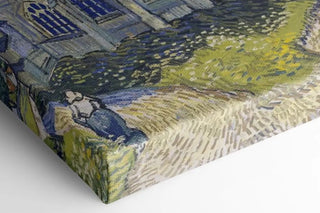
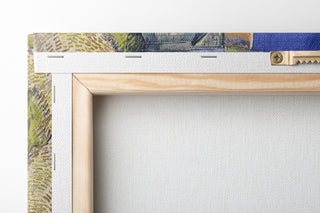
View from behind
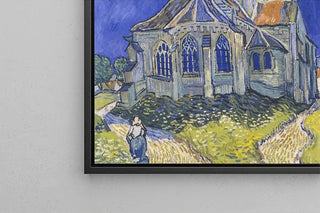
Frame (optional)
In the fascinating world of art, some works manage to capture the very essence of humanity while transporting us to dreamlike landscapes. "Le journal à la campagne" by Henry Fuseli is one of those creations that, through its depth and intensity, invites us to reflect on human nature and its aspirations. Through this canvas, the artist immerses us in an atmosphere where the tranquility of the countryside blends with delicate introspection. The eye wanders through the details, colors, and shapes, revealing a subtle narration that only awaits discovery. The work then becomes a true mirror of our own thoughts and desires, a space where one can escape while remaining grounded in reality.
Style and uniqueness of the work
Henry Fuseli, known for his romantic style and his ability to evoke intense emotions, succeeds here in creating an ambiance that is both serene and unsettling. "Le journal à la campagne" stands out for its bold use of light and shadow, which gives the scene an almost theatrical dimension. The human figures, though present, seem to be in harmony with their environment, as if they are an integral part of this idyllic landscape. The color palette, rich and nuanced, evokes sensations of warmth and melancholy, while the delicate details of natural elements reinforce the authenticity of this representation. Each brushstroke tells a story, each shadow hides an emotion, and the viewer is invited to immerse themselves in this unique visual experience.
The artist and his influence
Henry Fuseli, born in Switzerland and mainly active in Great Britain, is an iconic figure of the romantic movement. His work is characterized by a deep exploration of themes of passion, dream, and imagination. Fuseli established himself as a pioneer, influencing many artists of his time and future generations. His innovative approach to the depiction of the human body and space paved the way for a new understanding of art. "Le journal à la campagne" fits within this lineage, where nature is not merely a backdrop but an active participant in the visual narrative.
Painting The Journal in the Countryside - Henry Fuseli | Art print

-10% FROM €95 IN PURCHASES
-15% FROM €195 IN PURCHASES
Regular price
- Unit price
- per
Tax included.
Free shipping
€4.90 / Free shipping on orders over €39
Satisfied or Money Back
Free returns within 30 days
10-year warranty
Our prints are guaranteed for 10 years
Any questions? We are here!
by email to contact@artemlegrand.com
THE STEPS OF YOUR ORDER

STEP 1 - ORDER PLACED
Your order has been confirmed and we are starting production
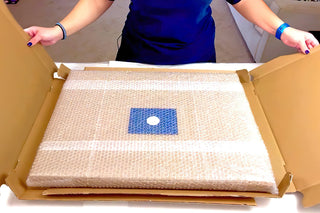
STEP 2 - SHIPPING
We ship your order. We send you an email to track the progress

STEP 3 - DELIVERY
You receive your order. You can also, according to your choice, be delivered to a relay point.
Matte finish
View from behind
Frame (optional)
In the fascinating world of art, some works manage to capture the very essence of humanity while transporting us to dreamlike landscapes. "Le journal à la campagne" by Henry Fuseli is one of those creations that, through its depth and intensity, invites us to reflect on human nature and its aspirations. Through this canvas, the artist immerses us in an atmosphere where the tranquility of the countryside blends with delicate introspection. The eye wanders through the details, colors, and shapes, revealing a subtle narration that only awaits discovery. The work then becomes a true mirror of our own thoughts and desires, a space where one can escape while remaining grounded in reality.
Style and uniqueness of the work
Henry Fuseli, known for his romantic style and his ability to evoke intense emotions, succeeds here in creating an ambiance that is both serene and unsettling. "Le journal à la campagne" stands out for its bold use of light and shadow, which gives the scene an almost theatrical dimension. The human figures, though present, seem to be in harmony with their environment, as if they are an integral part of this idyllic landscape. The color palette, rich and nuanced, evokes sensations of warmth and melancholy, while the delicate details of natural elements reinforce the authenticity of this representation. Each brushstroke tells a story, each shadow hides an emotion, and the viewer is invited to immerse themselves in this unique visual experience.
The artist and his influence
Henry Fuseli, born in Switzerland and mainly active in Great Britain, is an iconic figure of the romantic movement. His work is characterized by a deep exploration of themes of passion, dream, and imagination. Fuseli established himself as a pioneer, influencing many artists of his time and future generations. His innovative approach to the depiction of the human body and space paved the way for a new understanding of art. "Le journal à la campagne" fits within this lineage, where nature is not merely a backdrop but an active participant in the visual narrative.
12,34 €