
Art print of the Count Moritz Dietrichstein as a child - János Donát


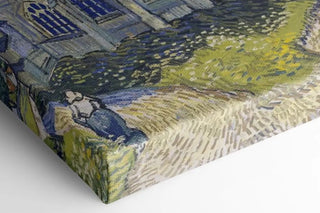
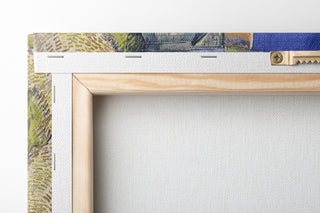
View from behind
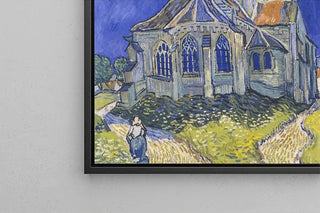
Frame (optional)
In the fascinating world of art, some works transcend the mere frame to evoke deep emotions and historical narratives. "The Child Count Moritz Dietrichstein" by János Donát is undoubtedly one of these iconic pieces. This painting, which depicts the young count with striking delicacy and precision, immerses us in the aristocratic universe of the 18th century. Through the innocent gaze of the child, the artist manages to capture not only the personality of the subject but also the essence of an era when art served as a mirror to society. The scene, imbued with tenderness and nostalgia, invites us to contemplate the aspirations and dreams of a child destined for a glorious future.
Style and uniqueness of the work
János Donát's style in this piece is characterized by remarkable finesse and meticulous attention to detail. Every brushstroke seems to breathe life, from the textures of the clothing to the delicate nuances of the skin. Light plays a crucial role in this composition, illuminating the count's face and creating an almost ethereal atmosphere. Donát uses soft, harmonious colors that evoke a sense of serenity and grace. The background, subtly blurred, highlights the main subject while adding depth to the scene. This stylistic approach, blending realism and idealization, is characteristic of Baroque art, but it stands out with a tenderness that gives the work a unique emotional dimension. The gaze of the young count, both curious and contemplative, captures attention and invites reflection on lost innocence and the responsibilities that await him.
The artist and his influence
János Donát, a Hungarian-born artist, established himself in the European artistic landscape of the 18th century thanks to his undeniable talent and his ability to capture the soul of his subjects. Trained in the great traditions of painting, he managed to incorporate various influences, ranging from Baroque to Rococo, while developing a personal style that is uniquely his own. His work is not limited to simple representation; it is a true exploration
Art print of the Count Moritz Dietrichstein as a child - János Donát

-10% FROM €95 IN PURCHASES
-15% FROM €195 IN PURCHASES
Regular price
- Unit price
- per
Tax included.
Free shipping
€4.90 / Free shipping on orders over €39
Satisfied or Money Back
Free returns within 30 days
10-year warranty
Our prints are guaranteed for 10 years
Any questions? We are here!
by email to contact@artemlegrand.com
THE STEPS OF YOUR ORDER

STEP 1 - ORDER PLACED
Your order has been confirmed and we are starting production
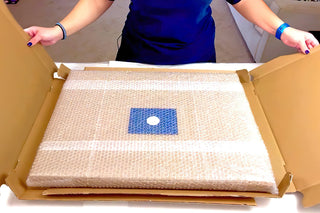
STEP 2 - SHIPPING
We ship your order. We send you an email to track the progress

STEP 3 - DELIVERY
You receive your order. You can also, according to your choice, be delivered to a relay point.
Matte finish
View from behind
Frame (optional)
In the fascinating world of art, some works transcend the mere frame to evoke deep emotions and historical narratives. "The Child Count Moritz Dietrichstein" by János Donát is undoubtedly one of these iconic pieces. This painting, which depicts the young count with striking delicacy and precision, immerses us in the aristocratic universe of the 18th century. Through the innocent gaze of the child, the artist manages to capture not only the personality of the subject but also the essence of an era when art served as a mirror to society. The scene, imbued with tenderness and nostalgia, invites us to contemplate the aspirations and dreams of a child destined for a glorious future.
Style and uniqueness of the work
János Donát's style in this piece is characterized by remarkable finesse and meticulous attention to detail. Every brushstroke seems to breathe life, from the textures of the clothing to the delicate nuances of the skin. Light plays a crucial role in this composition, illuminating the count's face and creating an almost ethereal atmosphere. Donát uses soft, harmonious colors that evoke a sense of serenity and grace. The background, subtly blurred, highlights the main subject while adding depth to the scene. This stylistic approach, blending realism and idealization, is characteristic of Baroque art, but it stands out with a tenderness that gives the work a unique emotional dimension. The gaze of the young count, both curious and contemplative, captures attention and invites reflection on lost innocence and the responsibilities that await him.
The artist and his influence
János Donát, a Hungarian-born artist, established himself in the European artistic landscape of the 18th century thanks to his undeniable talent and his ability to capture the soul of his subjects. Trained in the great traditions of painting, he managed to incorporate various influences, ranging from Baroque to Rococo, while developing a personal style that is uniquely his own. His work is not limited to simple representation; it is a true exploration
12,34 €