
Art print The Christ with the Samaritan at the well - Sisto Badalocchio


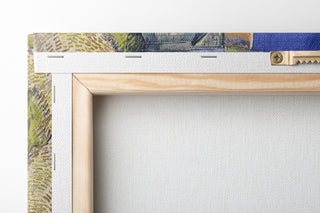
View from behind
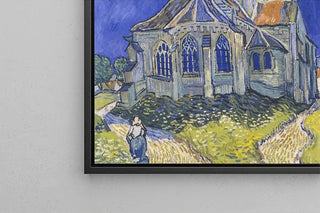
Frame (optional)
In the rich and complex universe of baroque art, "The Christ with the Samaritan at the Well" by Sisto Badalocchio stands out as an emblematic work, revealing the spiritual depth and technical mastery of its creator. This painting, depicting a crucial moment from the New Testament, transports the viewer into a scene filled with emotion and symbolism. The encounter between Christ and the Samaritan at the well evokes universal themes such as redemption, faith, and transcendence. Contemplating this piece, one is immediately struck by the light bathing the characters, creating an atmosphere that is both intimate and divine. The art print of this work not only allows appreciation of Badalocchio's virtuosity but also offers an exploration of the narrative richness unfolding in each brushstroke.
Style and uniqueness of the work
Sisto Badalocchio's style is characterized by a bold approach to chiaroscuro, a technique that highlights contrasts between light and shadow. In "The Christ with the Samaritan at the Well," this mastery is particularly evident: the divine light seems to emanate from Christ, illuminating the face of the Samaritan and emphasizing the intensity of their exchange. The drapery of the clothing, with its flowing and realistic folds, adds a tactile dimension to the composition. Badalocchio manages to capture not only the physical appearance of his subjects but also their emotional state, making each gaze and gesture profoundly meaningful. The color palette, rich and nuanced, helps create a warm and welcoming atmosphere, inviting the viewer to immerse themselves in this sacred scene.
The artist and his influence
Sisto Badalocchio, painter of the Italian Renaissance, established himself in the artistic landscape of his time thanks to his undeniable talent and innovative approach. Trained in the workshop of the illustrious Carracci, he developed a style that combines classical heritage with baroque elements. His work, although less well-known than that of some of his contemporaries, had a significant impact on the development
Art print The Christ with the Samaritan at the well - Sisto Badalocchio

-10% FROM €95 IN PURCHASES
-15% FROM €195 IN PURCHASES
Regular price
- Unit price
- per
Tax included.
Free shipping
€4.90 / Free shipping on orders over €39
Satisfied or Money Back
Free returns within 30 days
10-year warranty
Our prints are guaranteed for 10 years
Any questions? We are here!
by email to contact@artemlegrand.com
THE STEPS OF YOUR ORDER

STEP 1 - ORDER PLACED
Your order has been confirmed and we are starting production

STEP 2 - SHIPPING
We ship your order. We send you an email to track the progress

STEP 3 - DELIVERY
You receive your order. You can also, according to your choice, be delivered to a relay point.
Matte finish
View from behind
Frame (optional)
In the rich and complex universe of baroque art, "The Christ with the Samaritan at the Well" by Sisto Badalocchio stands out as an emblematic work, revealing the spiritual depth and technical mastery of its creator. This painting, depicting a crucial moment from the New Testament, transports the viewer into a scene filled with emotion and symbolism. The encounter between Christ and the Samaritan at the well evokes universal themes such as redemption, faith, and transcendence. Contemplating this piece, one is immediately struck by the light bathing the characters, creating an atmosphere that is both intimate and divine. The art print of this work not only allows appreciation of Badalocchio's virtuosity but also offers an exploration of the narrative richness unfolding in each brushstroke.
Style and uniqueness of the work
Sisto Badalocchio's style is characterized by a bold approach to chiaroscuro, a technique that highlights contrasts between light and shadow. In "The Christ with the Samaritan at the Well," this mastery is particularly evident: the divine light seems to emanate from Christ, illuminating the face of the Samaritan and emphasizing the intensity of their exchange. The drapery of the clothing, with its flowing and realistic folds, adds a tactile dimension to the composition. Badalocchio manages to capture not only the physical appearance of his subjects but also their emotional state, making each gaze and gesture profoundly meaningful. The color palette, rich and nuanced, helps create a warm and welcoming atmosphere, inviting the viewer to immerse themselves in this sacred scene.
The artist and his influence
Sisto Badalocchio, painter of the Italian Renaissance, established himself in the artistic landscape of his time thanks to his undeniable talent and innovative approach. Trained in the workshop of the illustrious Carracci, he developed a style that combines classical heritage with baroque elements. His work, although less well-known than that of some of his contemporaries, had a significant impact on the development
12,34 €