
Art print The Christ showing his wounds - Gustave Van de Woestijne


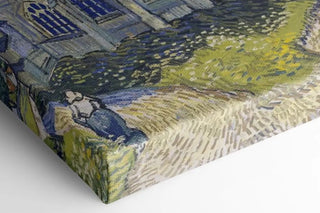
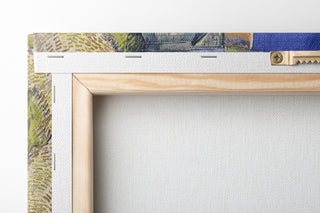
View from behind
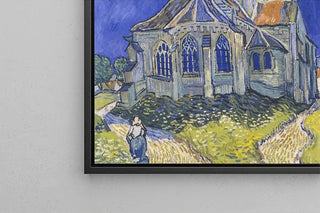
Frame (optional)
In the vast panorama of art history, some artworks transcend their era to become eternal witnesses to the human condition. "The Christ Showing His Wounds" by Gustave Van de Woestijne falls into this category. This piece, imbued with spirituality and depth, invites the viewer to reflect on suffering and redemption. Through a striking composition, the artist manages to capture the very essence of pain and hope, two feelings intimately connected in the Christian narrative. The depiction of Christ, both vulnerable and majestic, leaves no one indifferent, inspiring silent and respectful contemplation.
Style and uniqueness of the work
Van de Woestijne's style is characterized by a unique sensitivity that blends realism and symbolism. In "The Christ Showing His Wounds," the artist uses colors that are both dark and luminous, creating a powerful contrast that emphasizes the emotion conveyed by the artwork. The light seems to emanate from the figure of Christ, illuminating the wounds which, far from being merely marks of suffering, become symbols of sacrifice and transcendence. The meticulous details of the flesh, the delicacy of the drapery, and the expression on the face testify to undeniable technical mastery. Every element of the composition is carefully thought out to reinforce the spiritual message, making this work not only an aesthetic masterpiece but also an immersive experience for the viewer.
The artist and his influence
Gustave Van de Woestijne, an emblematic figure of the early 20th century, established himself as an innovative artist by combining tradition and modernity. Influenced by the great masters of Flemish painting, he develops a personal style that flourishes through an exploration of religious and existential themes. His work is marked by a profound spiritual commitment, reflecting his inner quest. Through his works, he questions the relationship between man and the divine, and "The Christ Showing His Wounds" is the perfect illustration. Van de Woestijne's impact is not limited to his time; he continues to inspire
Art print The Christ showing his wounds - Gustave Van de Woestijne

-10% FROM €95 IN PURCHASES
-15% FROM €195 IN PURCHASES
Regular price
- Unit price
- per
Tax included.
Free shipping
€4.90 / Free shipping on orders over €39
Satisfied or Money Back
Free returns within 30 days
10-year warranty
Our prints are guaranteed for 10 years
Any questions? We are here!
by email to contact@artemlegrand.com
THE STEPS OF YOUR ORDER

STEP 1 - ORDER PLACED
Your order has been confirmed and we are starting production
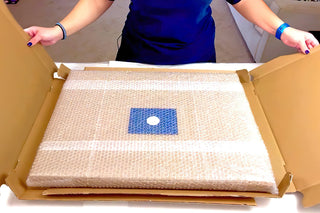
STEP 2 - SHIPPING
We ship your order. We send you an email to track the progress

STEP 3 - DELIVERY
You receive your order. You can also, according to your choice, be delivered to a relay point.
Matte finish
View from behind
Frame (optional)
In the vast panorama of art history, some artworks transcend their era to become eternal witnesses to the human condition. "The Christ Showing His Wounds" by Gustave Van de Woestijne falls into this category. This piece, imbued with spirituality and depth, invites the viewer to reflect on suffering and redemption. Through a striking composition, the artist manages to capture the very essence of pain and hope, two feelings intimately connected in the Christian narrative. The depiction of Christ, both vulnerable and majestic, leaves no one indifferent, inspiring silent and respectful contemplation.
Style and uniqueness of the work
Van de Woestijne's style is characterized by a unique sensitivity that blends realism and symbolism. In "The Christ Showing His Wounds," the artist uses colors that are both dark and luminous, creating a powerful contrast that emphasizes the emotion conveyed by the artwork. The light seems to emanate from the figure of Christ, illuminating the wounds which, far from being merely marks of suffering, become symbols of sacrifice and transcendence. The meticulous details of the flesh, the delicacy of the drapery, and the expression on the face testify to undeniable technical mastery. Every element of the composition is carefully thought out to reinforce the spiritual message, making this work not only an aesthetic masterpiece but also an immersive experience for the viewer.
The artist and his influence
Gustave Van de Woestijne, an emblematic figure of the early 20th century, established himself as an innovative artist by combining tradition and modernity. Influenced by the great masters of Flemish painting, he develops a personal style that flourishes through an exploration of religious and existential themes. His work is marked by a profound spiritual commitment, reflecting his inner quest. Through his works, he questions the relationship between man and the divine, and "The Christ Showing His Wounds" is the perfect illustration. Van de Woestijne's impact is not limited to his time; he continues to inspire
12,34 €