
Painting The Christ among the murderers - James Ensor | Art print


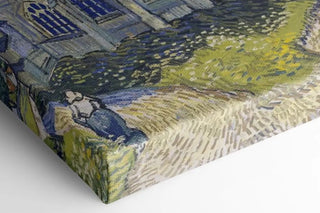
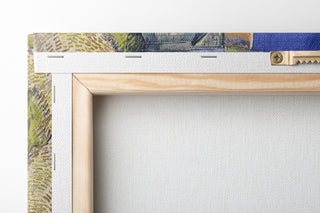
View from behind
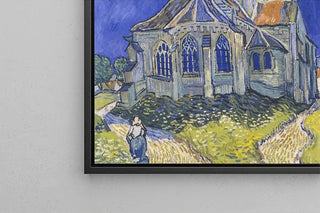
Frame (optional)
In the vibrant universe of art, some works transcend their era to become timeless reflections on the human condition. "The Christ among the Murderers" by James Ensor is one of those creations that, through its visual power and bold message, captures attention and provokes thought. Created in 1890, this iconic canvas resonates like a cry of despair in the face of violence and societal hypocrisy. Through a daring blend of colors and shapes, Ensor immerses us in a painting where the sacred and the profane intertwine, offering a disturbing and fascinating vision of spirituality.
Style and uniqueness of the work
Ensor's style is distinguished by its innovative approach, marked by an expressive use of color and form. In "The Christ among the Murderers," the artist deploys a rich and vibrant palette that intensifies the emotions conveyed by the scene. The Christ, the central figure, is depicted in a posture of suffering, surrounded by grotesque and threatening characters. These figures symbolize the forces of evil and human cruelty, while Christ, though divine, appears powerless in the face of this violence. This dichotomy between the sacred and the profane is accentuated by the way Ensor plays with textures, creating a sense of confusion and chaos. The work thus invites deep reflection on the nature of suffering and the complexity of faith.
The artist and his influence
James Ensor, born in 1860 in Ostend, is an essential figure in Belgian art and a precursor of Surrealism. His work is marked by a sharp critique of the society of his time, as well as an exploration of themes such as death, religion, and identity. Influenced by the artistic movements of his era, notably symbolism and Impressionism, Ensor developed a style that is uniquely his own, blending realism and fantasy. "The Christ among the Murderers" fits into this approach, demonstrating his ability to address serious subjects with remarkable boldness and originality.
Painting The Christ among the murderers - James Ensor | Art print

-10% FROM €95 IN PURCHASES
-15% FROM €195 IN PURCHASES
Regular price
- Unit price
- per
Tax included.
Free shipping
€4.90 / Free shipping on orders over €39
Satisfied or Money Back
Free returns within 30 days
10-year warranty
Our prints are guaranteed for 10 years
Any questions? We are here!
by email to contact@artemlegrand.com
THE STEPS OF YOUR ORDER

STEP 1 - ORDER PLACED
Your order has been confirmed and we are starting production

STEP 2 - SHIPPING
We ship your order. We send you an email to track the progress

STEP 3 - DELIVERY
You receive your order. You can also, according to your choice, be delivered to a relay point.
Matte finish
View from behind
Frame (optional)
In the vibrant universe of art, some works transcend their era to become timeless reflections on the human condition. "The Christ among the Murderers" by James Ensor is one of those creations that, through its visual power and bold message, captures attention and provokes thought. Created in 1890, this iconic canvas resonates like a cry of despair in the face of violence and societal hypocrisy. Through a daring blend of colors and shapes, Ensor immerses us in a painting where the sacred and the profane intertwine, offering a disturbing and fascinating vision of spirituality.
Style and uniqueness of the work
Ensor's style is distinguished by its innovative approach, marked by an expressive use of color and form. In "The Christ among the Murderers," the artist deploys a rich and vibrant palette that intensifies the emotions conveyed by the scene. The Christ, the central figure, is depicted in a posture of suffering, surrounded by grotesque and threatening characters. These figures symbolize the forces of evil and human cruelty, while Christ, though divine, appears powerless in the face of this violence. This dichotomy between the sacred and the profane is accentuated by the way Ensor plays with textures, creating a sense of confusion and chaos. The work thus invites deep reflection on the nature of suffering and the complexity of faith.
The artist and his influence
James Ensor, born in 1860 in Ostend, is an essential figure in Belgian art and a precursor of Surrealism. His work is marked by a sharp critique of the society of his time, as well as an exploration of themes such as death, religion, and identity. Influenced by the artistic movements of his era, notably symbolism and Impressionism, Ensor developed a style that is uniquely his own, blending realism and fantasy. "The Christ among the Murderers" fits into this approach, demonstrating his ability to address serious subjects with remarkable boldness and originality.
12,34 €