
Painting The Charlatan - Gerrit Dou | Art print


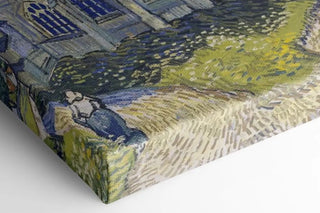
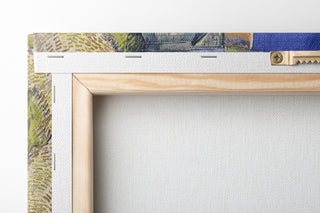
View from behind
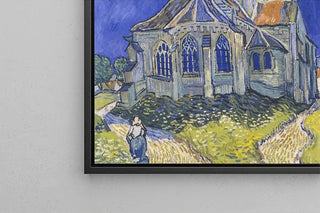
Frame (optional)
In the world of art, some works transcend the simple frame of painting to become windows into bygone eras. "The Charlatan" by Gerrit Dou is one of these works, a true masterpiece of 17th-century Dutch art that immerses us in the intriguing universe of fairs and street performances. This piece, imbued with realism and finesse, invites us to observe a scene where illusion and deception blend with artistic skill. Dou, master of chiaroscuro, manages to capture the very essence of deception while offering a fascinating glimpse into the daily life of his time. The atmosphere emanating from this painting is both captivating and unsettling, arousing an insatiable curiosity about the characters who inhabit it.
Style and uniqueness of the work
Gerrit Dou's style is distinguished by its meticulousness and attention to detail. "The Charlatan" perfectly illustrates this approach, where every element of the composition is carefully crafted. Light plays a crucial role in this piece, highlighting the textures of clothing, facial expressions, and objects that populate the scene. The charlatan himself, at the center of the work, is depicted with such precision that one can almost perceive the movement of his gestures, as if he were about to captivate his audience. The colors, though subtle, add depth to the overall composition, creating a striking contrast between shadow and light. This technical mastery reflects an era when art was not only a form of personal expression but also a means of capturing reality in an almost photographic manner.
The artist and his influence
Gerrit Dou, a pupil of the renowned Rembrandt, managed to forge his own style while incorporating the lessons of his master. His career, spanning several decades, was marked by a constant quest for perfection and innovation. Dou was one of the pioneers of the "genre" or "genre of everyday life," where he immortalized intimate scenes and fleeting moments of daily life. His influence on his contemporaries and future generations is
Painting The Charlatan - Gerrit Dou | Art print

-10% FROM €95 IN PURCHASES
-15% FROM €195 IN PURCHASES
Regular price
- Unit price
- per
Tax included.
Free shipping
€4.90 / Free shipping on orders over €39
Satisfied or Money Back
Free returns within 30 days
10-year warranty
Our prints are guaranteed for 10 years
Any questions? We are here!
by email to contact@artemlegrand.com
THE STEPS OF YOUR ORDER

STEP 1 - ORDER PLACED
Your order has been confirmed and we are starting production
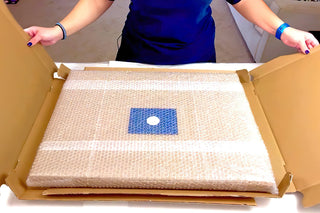
STEP 2 - SHIPPING
We ship your order. We send you an email to track the progress

STEP 3 - DELIVERY
You receive your order. You can also, according to your choice, be delivered to a relay point.
Matte finish
View from behind
Frame (optional)
In the world of art, some works transcend the simple frame of painting to become windows into bygone eras. "The Charlatan" by Gerrit Dou is one of these works, a true masterpiece of 17th-century Dutch art that immerses us in the intriguing universe of fairs and street performances. This piece, imbued with realism and finesse, invites us to observe a scene where illusion and deception blend with artistic skill. Dou, master of chiaroscuro, manages to capture the very essence of deception while offering a fascinating glimpse into the daily life of his time. The atmosphere emanating from this painting is both captivating and unsettling, arousing an insatiable curiosity about the characters who inhabit it.
Style and uniqueness of the work
Gerrit Dou's style is distinguished by its meticulousness and attention to detail. "The Charlatan" perfectly illustrates this approach, where every element of the composition is carefully crafted. Light plays a crucial role in this piece, highlighting the textures of clothing, facial expressions, and objects that populate the scene. The charlatan himself, at the center of the work, is depicted with such precision that one can almost perceive the movement of his gestures, as if he were about to captivate his audience. The colors, though subtle, add depth to the overall composition, creating a striking contrast between shadow and light. This technical mastery reflects an era when art was not only a form of personal expression but also a means of capturing reality in an almost photographic manner.
The artist and his influence
Gerrit Dou, a pupil of the renowned Rembrandt, managed to forge his own style while incorporating the lessons of his master. His career, spanning several decades, was marked by a constant quest for perfection and innovation. Dou was one of the pioneers of the "genre" or "genre of everyday life," where he immortalized intimate scenes and fleeting moments of daily life. His influence on his contemporaries and future generations is
12,34 €