
Painting The Boring Story - George Caleb Bingham | Art print


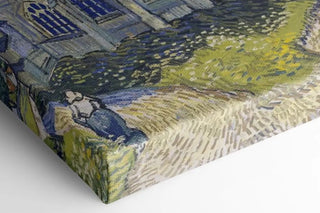
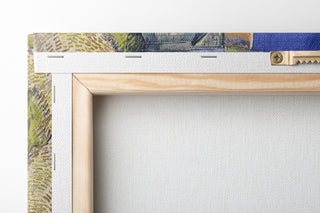
View from behind
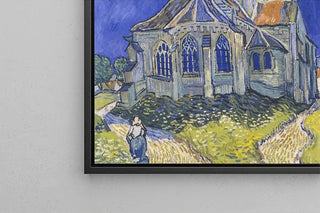
Frame (optional)
George Caleb Bingham's "L'histoire ennuyeuse" art print presents itself as an open window into a time when storytelling and visual representation intertwined to capture the essence of American life in the 19th century. This painting, imbued with narrative delicacy, invites viewers to immerse themselves in a frozen moment where boredom becomes a fascinating subject. The scene depicts characters absorbed in their daily routines, illustrating the nuances of rural life and the complexity of human interactions. Contemplating this work, one feels an immediate connection with the protagonists, as if their thoughts and emotions transcend time.
Style and uniqueness of the art print
Bingham's style is characterized by meticulous attention to detail, mastery of light, and a color palette that evokes the softness of American landscapes. In "L'histoire ennuyeuse," each character is carefully rendered, with expressions revealing psychological depth. The composition, though seemingly simple, is rich in meaning. The artist plays with space and shadow to create an intimate atmosphere, where the viewer feels almost voyeuristic of these moments of life. The choice of clothing and accessories of the characters also reflects a bygone era, enriching the visual narrative that Bingham offers. This art print stands out for its ability to transform an apparently mundane moment into a reflection on boredom, routine, and the beauty of simplicity.
The artist and his influence
George Caleb Bingham, often regarded as one of the pioneers of American art, captured the spirit of his time through his paintings. Born in 1811, he lived during a period of social and political transformation, which influenced his work. Bingham combined his love for painting with his passion for storytelling, making him a unique artist in the landscape of his era. His commitment to representing the daily life of Americans, including marginalized figures, paved the way for a new approach to art. Through his works, he not only documented life on the Missouri River but also engaged in a dialogue about national identity. His influence endures, inspiring generations of artists.
Painting The Boring Story - George Caleb Bingham | Art print

-10% FROM €95 IN PURCHASES
-15% FROM €195 IN PURCHASES
Regular price
- Unit price
- per
Tax included.
Free shipping
€4.90 / Free shipping on orders over €39
Satisfied or Money Back
Free returns within 30 days
10-year warranty
Our prints are guaranteed for 10 years
Any questions? We are here!
by email to contact@artemlegrand.com
THE STEPS OF YOUR ORDER

STEP 1 - ORDER PLACED
Your order has been confirmed and we are starting production
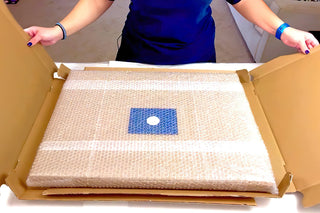
STEP 2 - SHIPPING
We ship your order. We send you an email to track the progress

STEP 3 - DELIVERY
You receive your order. You can also, according to your choice, be delivered to a relay point.
Matte finish
View from behind
Frame (optional)
George Caleb Bingham's "L'histoire ennuyeuse" art print presents itself as an open window into a time when storytelling and visual representation intertwined to capture the essence of American life in the 19th century. This painting, imbued with narrative delicacy, invites viewers to immerse themselves in a frozen moment where boredom becomes a fascinating subject. The scene depicts characters absorbed in their daily routines, illustrating the nuances of rural life and the complexity of human interactions. Contemplating this work, one feels an immediate connection with the protagonists, as if their thoughts and emotions transcend time.
Style and uniqueness of the art print
Bingham's style is characterized by meticulous attention to detail, mastery of light, and a color palette that evokes the softness of American landscapes. In "L'histoire ennuyeuse," each character is carefully rendered, with expressions revealing psychological depth. The composition, though seemingly simple, is rich in meaning. The artist plays with space and shadow to create an intimate atmosphere, where the viewer feels almost voyeuristic of these moments of life. The choice of clothing and accessories of the characters also reflects a bygone era, enriching the visual narrative that Bingham offers. This art print stands out for its ability to transform an apparently mundane moment into a reflection on boredom, routine, and the beauty of simplicity.
The artist and his influence
George Caleb Bingham, often regarded as one of the pioneers of American art, captured the spirit of his time through his paintings. Born in 1811, he lived during a period of social and political transformation, which influenced his work. Bingham combined his love for painting with his passion for storytelling, making him a unique artist in the landscape of his era. His commitment to representing the daily life of Americans, including marginalized figures, paved the way for a new approach to art. Through his works, he not only documented life on the Missouri River but also engaged in a dialogue about national identity. His influence endures, inspiring generations of artists.
12,34 €