
Art print The Book of Nature or L'histoire des insectes Pl53 - Jan Swammerdam


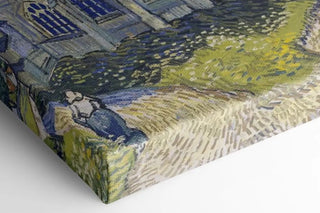
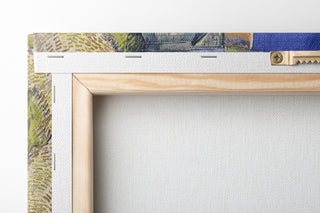
View from behind
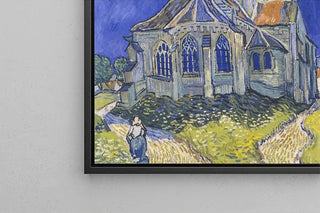
Frame (optional)
In the vast panorama of art history, certain works stand out for their ability to capture the very essence of life, revealing truths hidden behind appearances. "The Book of Nature or The History of Insects Pl53" by Jan Swammerdam is one of those creations that transcends the simple framework of scientific observation. Through this piece, the artist invites us to delve into a universe rich in detail, where each insect becomes a symbol of the complexity and beauty of the natural world. Swammerdam, as a pioneer of entomology, does not merely depict his subjects; he immortalizes them in a delicate dance between science and art, offering us a unique perspective on the biodiversity that surrounds us.
Style and uniqueness of the work
Swammerdam's style is characterized by remarkable meticulousness, an attention to detail that borders on genius. Each insect is rendered with surgical precision, revealing not only its morphology but also its essence. The colors, although sometimes subtle, are chosen carefully to evoke the reality of the specimens. This realism, combined with harmonious composition, creates a nearly poetic atmosphere. The work is not limited to a simple illustration; it becomes a tribute to nature, a celebration of its diversity. Light also plays a crucial role, highlighting the textures and shapes of the insects, as if Swammerdam wished to give life to his subjects, elevating them to the rank of full-fledged works of art.
The artist and his influence
Jan Swammerdam, born in 1637, is often considered one of the forerunners of modern entomology. His passion for observing insects led him to conduct in-depth studies that revolutionized the understanding of these creatures in his time. Beyond his scientific contributions, Swammerdam knew how to marry his knowledge with a keen artistic sense, thus influencing many later artists and scientists. His innovative approach, combining scientific rigor with aesthetic sensitivity, paved the way for a new way of approaching nature. Through his works, he teaches us that art can be a
Art print The Book of Nature or L'histoire des insectes Pl53 - Jan Swammerdam

-10% FROM €95 IN PURCHASES
-15% FROM €195 IN PURCHASES
Regular price
- Unit price
- per
Tax included.
Free shipping
€4.90 / Free shipping on orders over €39
Satisfied or Money Back
Free returns within 30 days
10-year warranty
Our prints are guaranteed for 10 years
Any questions? We are here!
by email to contact@artemlegrand.com
THE STEPS OF YOUR ORDER

STEP 1 - ORDER PLACED
Your order has been confirmed and we are starting production
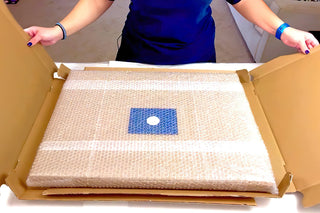
STEP 2 - SHIPPING
We ship your order. We send you an email to track the progress

STEP 3 - DELIVERY
You receive your order. You can also, according to your choice, be delivered to a relay point.
Matte finish
View from behind
Frame (optional)
In the vast panorama of art history, certain works stand out for their ability to capture the very essence of life, revealing truths hidden behind appearances. "The Book of Nature or The History of Insects Pl53" by Jan Swammerdam is one of those creations that transcends the simple framework of scientific observation. Through this piece, the artist invites us to delve into a universe rich in detail, where each insect becomes a symbol of the complexity and beauty of the natural world. Swammerdam, as a pioneer of entomology, does not merely depict his subjects; he immortalizes them in a delicate dance between science and art, offering us a unique perspective on the biodiversity that surrounds us.
Style and uniqueness of the work
Swammerdam's style is characterized by remarkable meticulousness, an attention to detail that borders on genius. Each insect is rendered with surgical precision, revealing not only its morphology but also its essence. The colors, although sometimes subtle, are chosen carefully to evoke the reality of the specimens. This realism, combined with harmonious composition, creates a nearly poetic atmosphere. The work is not limited to a simple illustration; it becomes a tribute to nature, a celebration of its diversity. Light also plays a crucial role, highlighting the textures and shapes of the insects, as if Swammerdam wished to give life to his subjects, elevating them to the rank of full-fledged works of art.
The artist and his influence
Jan Swammerdam, born in 1637, is often considered one of the forerunners of modern entomology. His passion for observing insects led him to conduct in-depth studies that revolutionized the understanding of these creatures in his time. Beyond his scientific contributions, Swammerdam knew how to marry his knowledge with a keen artistic sense, thus influencing many later artists and scientists. His innovative approach, combining scientific rigor with aesthetic sensitivity, paved the way for a new way of approaching nature. Through his works, he teaches us that art can be a
12,34 €