
Painting The Black Dress - George Spencer Watson | Art print


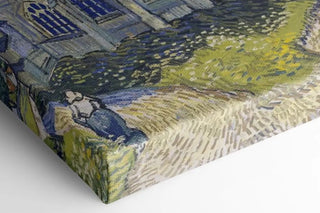
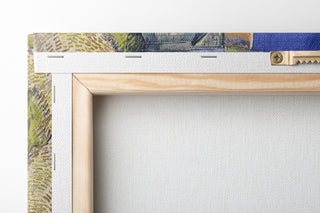
View from behind
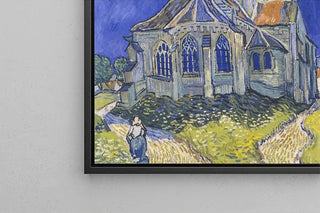
Frame (optional)
The artwork "The Black Dress" by George Spencer Watson is a masterpiece that embodies the elegance and subtlety of modern portraiture. Created in the early 20th century, this canvas invites viewers to immerse themselves in a universe where light and shadow blend with rare delicacy. The composition, both simple and refined, immediately draws the eye, sparking palpable curiosity. The subject, a woman dressed in a black dress, is both mysterious and captivating, offering a multitude of interpretations. The richness of details and Watson's technical mastery transform this piece into a true dialogue between the artist and their audience, a silent conversation that endures through time.
Style and uniqueness of the work
George Spencer Watson's style is characterized by a realistic approach, tinged with an impressionist sensibility. In "The Black Dress," each brushstroke seems charged with emotion, creating an intimate atmosphere that envelops the viewer. The nuances of black and gray, subtly shaded, bring the dress to life, while the woman's face, delicately illuminated, expresses striking psychological depth. Watson excels in depicting textures, whether the fluidity of fabric or the softness of skin. This meticulous attention to detail, combined with a limited color palette, gives the artwork undeniable expressive power. Every element, from the neutral background to the elegant pose of the model, contributes to the overall harmony, making this canvas a shining example of portrait art.
The artist and his influence
George Spencer Watson, an emblematic figure of early 20th-century British art, managed to establish himself through his unique style and his ability to capture the essence of his subjects. Trained alongside masters of the craft, he developed a technique that skillfully blends tradition and modernity. His influence extends well beyond his personal works, inspiring many contemporary artists to explore themes of portraiture and female representation. Watson also played a key role in the development of academic art in England, advocating the importance of oil painting and the
Painting The Black Dress - George Spencer Watson | Art print

-10% FROM €95 IN PURCHASES
-15% FROM €195 IN PURCHASES
Regular price
- Unit price
- per
Tax included.
Free shipping
€4.90 / Free shipping on orders over €39
Satisfied or Money Back
Free returns within 30 days
10-year warranty
Our prints are guaranteed for 10 years
Any questions? We are here!
by email to contact@artemlegrand.com
THE STEPS OF YOUR ORDER

STEP 1 - ORDER PLACED
Your order has been confirmed and we are starting production
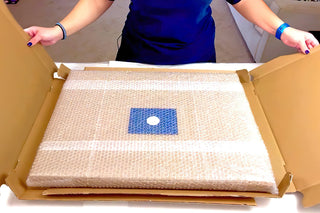
STEP 2 - SHIPPING
We ship your order. We send you an email to track the progress

STEP 3 - DELIVERY
You receive your order. You can also, according to your choice, be delivered to a relay point.
Matte finish
View from behind
Frame (optional)
The artwork "The Black Dress" by George Spencer Watson is a masterpiece that embodies the elegance and subtlety of modern portraiture. Created in the early 20th century, this canvas invites viewers to immerse themselves in a universe where light and shadow blend with rare delicacy. The composition, both simple and refined, immediately draws the eye, sparking palpable curiosity. The subject, a woman dressed in a black dress, is both mysterious and captivating, offering a multitude of interpretations. The richness of details and Watson's technical mastery transform this piece into a true dialogue between the artist and their audience, a silent conversation that endures through time.
Style and uniqueness of the work
George Spencer Watson's style is characterized by a realistic approach, tinged with an impressionist sensibility. In "The Black Dress," each brushstroke seems charged with emotion, creating an intimate atmosphere that envelops the viewer. The nuances of black and gray, subtly shaded, bring the dress to life, while the woman's face, delicately illuminated, expresses striking psychological depth. Watson excels in depicting textures, whether the fluidity of fabric or the softness of skin. This meticulous attention to detail, combined with a limited color palette, gives the artwork undeniable expressive power. Every element, from the neutral background to the elegant pose of the model, contributes to the overall harmony, making this canvas a shining example of portrait art.
The artist and his influence
George Spencer Watson, an emblematic figure of early 20th-century British art, managed to establish himself through his unique style and his ability to capture the essence of his subjects. Trained alongside masters of the craft, he developed a technique that skillfully blends tradition and modernity. His influence extends well beyond his personal works, inspiring many contemporary artists to explore themes of portraiture and female representation. Watson also played a key role in the development of academic art in England, advocating the importance of oil painting and the
12,34 €