
Painting The Black Boy - William Lindsay Windus | Art print


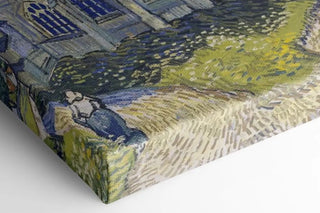
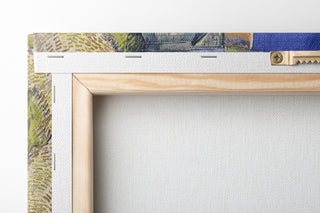
View from behind
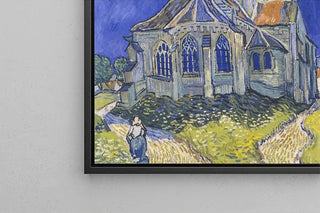
Frame (optional)
In the vast panorama of art history, certain works stand out for their ability to capture the essence of an era while transcending the limits of time. "The Black Boy" by William Lindsay Windus is one such creation. This painting, imbued with profound sensitivity, invites us to explore not only the artist's talent but also the universal themes he addresses. The depiction of a young boy, whose gaze seems filled with stories and dreams, plunges us into a timeless dialogue where childhood innocence meets the depth of humanity. Contemplating this piece, the viewer is transported to a world where every detail matters, where each shade of color tells a story.
Style and uniqueness of the work
Windus's style is characterized by fine execution and a keen sense of light. In "The Black Boy," the artist manages to capture the texture of the skin, the sparkle of the eyes, and the softness of the young protagonist's features. The skillful play of shadow and light lends an intimate and warm atmosphere to the scene. The use of rich, vibrant colors, combined with softer tones, creates a striking contrast that immediately draws the eye. This work does not merely depict a child; it evokes a story, a culture, and an identity, while demonstrating art's ability to transcend social and racial barriers. Windus succeeds in infusing a soul into his subject, making the boy not only visible but also memorable.
The artist and his influence
William Lindsay Windus, a prominent figure of the 19th century, made a name for himself in the British art scene through his unique approach and personal vision of art. Influenced by the Pre-Raphaelites, he nevertheless developed a style that is his own, blending realism and romanticism. His work is often marked by a deep sensitivity to the subjects he chooses, and "The Black Boy" is a perfect example. By addressing themes such as childhood and identity, Windus opens a dialogue on social issues that still resonate today. His influence extends beyond
Painting The Black Boy - William Lindsay Windus | Art print

-10% FROM €95 IN PURCHASES
-15% FROM €195 IN PURCHASES
Regular price
- Unit price
- per
Tax included.
Free shipping
€4.90 / Free shipping on orders over €39
Satisfied or Money Back
Free returns within 30 days
10-year warranty
Our prints are guaranteed for 10 years
Any questions? We are here!
by email to contact@artemlegrand.com
THE STEPS OF YOUR ORDER

STEP 1 - ORDER PLACED
Your order has been confirmed and we are starting production
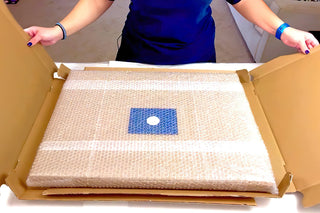
STEP 2 - SHIPPING
We ship your order. We send you an email to track the progress

STEP 3 - DELIVERY
You receive your order. You can also, according to your choice, be delivered to a relay point.
Matte finish
View from behind
Frame (optional)
In the vast panorama of art history, certain works stand out for their ability to capture the essence of an era while transcending the limits of time. "The Black Boy" by William Lindsay Windus is one such creation. This painting, imbued with profound sensitivity, invites us to explore not only the artist's talent but also the universal themes he addresses. The depiction of a young boy, whose gaze seems filled with stories and dreams, plunges us into a timeless dialogue where childhood innocence meets the depth of humanity. Contemplating this piece, the viewer is transported to a world where every detail matters, where each shade of color tells a story.
Style and uniqueness of the work
Windus's style is characterized by fine execution and a keen sense of light. In "The Black Boy," the artist manages to capture the texture of the skin, the sparkle of the eyes, and the softness of the young protagonist's features. The skillful play of shadow and light lends an intimate and warm atmosphere to the scene. The use of rich, vibrant colors, combined with softer tones, creates a striking contrast that immediately draws the eye. This work does not merely depict a child; it evokes a story, a culture, and an identity, while demonstrating art's ability to transcend social and racial barriers. Windus succeeds in infusing a soul into his subject, making the boy not only visible but also memorable.
The artist and his influence
William Lindsay Windus, a prominent figure of the 19th century, made a name for himself in the British art scene through his unique approach and personal vision of art. Influenced by the Pre-Raphaelites, he nevertheless developed a style that is his own, blending realism and romanticism. His work is often marked by a deep sensitivity to the subjects he chooses, and "The Black Boy" is a perfect example. By addressing themes such as childhood and identity, Windus opens a dialogue on social issues that still resonate today. His influence extends beyond
12,34 €