
Painting L'épouse de l'artiste Susanna, son fils Anthony et sa fille Susanna - Joseph Highmore | Art print


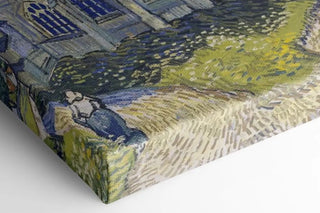
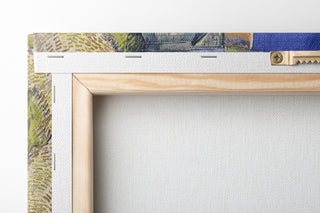
View from behind
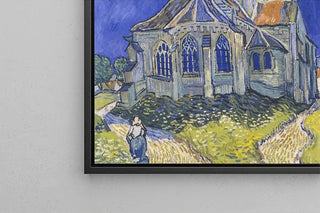
Frame (optional)
Reproduction of "The Artist's Wife Susanna, her son Anthony, and her daughter Susanna" by Joseph Highmore – Captivating introduction
In the rich and complex universe of 18th-century art, the artwork "The Artist's Wife Susanna, her son Anthony, and her daughter Susanna" by Joseph Highmore stands out for its palpable intimacy and warm atmosphere. This painting, depicting a tender domestic scene, invites the viewer to enter the artist's family world. Highmore, through this piece, succeeds in capturing not only the physical features of his loved ones but also the very essence of their relationships. The caring gaze of Susanna, the mother, and the innocence of her children, Anthony and Susanna, create a visual harmony that resonates with anyone who has experienced family love. This painting, both personal and universal, evokes deep and timeless emotions.
Style and uniqueness of the work
Joseph Highmore's style is characterized by finesse in rendering expressions and mastery of colors that bring his characters to life. In this piece, the artist uses a soft and warm palette, where earth tones and pastel shades blend to create a soothing atmosphere. The meticulous details, from clothing to facial expressions, reflect a particular attention to depicting family intimacy. Highmore does not merely paint a portrait; he immortalizes a moment of life, a scene where everyday life transforms into art. The composition is carefully balanced, with a layout that guides the viewer's eye across the work, highlighting the interaction among the family members. Every element, every gesture, every gaze is loaded with meaning, making this painting a true ode to family life.
The artist and his influence
Joseph Highmore, born in 1692, was an artist whose career spanned several decades, marked by stylistic evolution and increasing recognition. Trained in London, he established himself in a thriving artistic environment. His work, although often associated with portrait painting, also extends to historical and mythological themes. Highmore captured the spirit of his time while developing a style that
Painting L'épouse de l'artiste Susanna, son fils Anthony et sa fille Susanna - Joseph Highmore | Art print

-10% FROM €95 IN PURCHASES
-15% FROM €195 IN PURCHASES
Regular price
- Unit price
- per
Tax included.
Free shipping
€4.90 / Free shipping on orders over €39
Satisfied or Money Back
Free returns within 30 days
10-year warranty
Our prints are guaranteed for 10 years
Any questions? We are here!
by email to contact@artemlegrand.com
THE STEPS OF YOUR ORDER

STEP 1 - ORDER PLACED
Your order has been confirmed and we are starting production
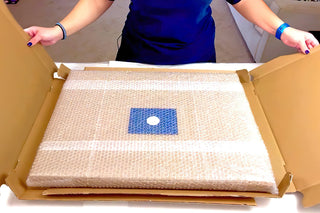
STEP 2 - SHIPPING
We ship your order. We send you an email to track the progress

STEP 3 - DELIVERY
You receive your order. You can also, according to your choice, be delivered to a relay point.
Matte finish
View from behind
Frame (optional)
Reproduction of "The Artist's Wife Susanna, her son Anthony, and her daughter Susanna" by Joseph Highmore – Captivating introduction
In the rich and complex universe of 18th-century art, the artwork "The Artist's Wife Susanna, her son Anthony, and her daughter Susanna" by Joseph Highmore stands out for its palpable intimacy and warm atmosphere. This painting, depicting a tender domestic scene, invites the viewer to enter the artist's family world. Highmore, through this piece, succeeds in capturing not only the physical features of his loved ones but also the very essence of their relationships. The caring gaze of Susanna, the mother, and the innocence of her children, Anthony and Susanna, create a visual harmony that resonates with anyone who has experienced family love. This painting, both personal and universal, evokes deep and timeless emotions.
Style and uniqueness of the work
Joseph Highmore's style is characterized by finesse in rendering expressions and mastery of colors that bring his characters to life. In this piece, the artist uses a soft and warm palette, where earth tones and pastel shades blend to create a soothing atmosphere. The meticulous details, from clothing to facial expressions, reflect a particular attention to depicting family intimacy. Highmore does not merely paint a portrait; he immortalizes a moment of life, a scene where everyday life transforms into art. The composition is carefully balanced, with a layout that guides the viewer's eye across the work, highlighting the interaction among the family members. Every element, every gesture, every gaze is loaded with meaning, making this painting a true ode to family life.
The artist and his influence
Joseph Highmore, born in 1692, was an artist whose career spanned several decades, marked by stylistic evolution and increasing recognition. Trained in London, he established himself in a thriving artistic environment. His work, although often associated with portrait painting, also extends to historical and mythological themes. Highmore captured the spirit of his time while developing a style that
12,34 €