
Painting Les sœurs de l'artiste (Conflit de cas) - Glyn Warren Philpot | Art print


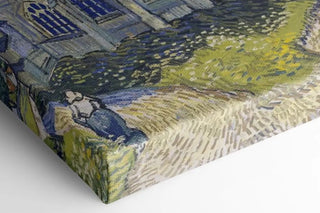
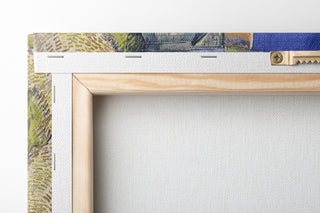
View from behind
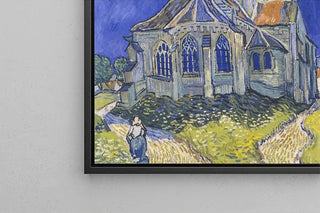
Frame (optional)
The artwork titled "Les sœurs de l'artiste (Conflit de cas)" by Glyn Warren Philpot is part of a rich and complex artistic context. It evokes not only the relationship between the two sisters but also the tensions and emotions that can emanate from family bonds. This painting, both intimate and universal, invites the viewer to reflect on the nature of human relationships. As you contemplate it, you feel a deep connection with the characters, as if their personal stories resonate with ours. Philpot, through his talent, manages to capture fleeting moments of emotion, creating a work that transcends time.
Style and uniqueness of the work
Glyn Warren Philpot's style is distinguished by his unique approach to portraiture. In "Les sœurs de l'artiste (Conflit de cas)", he uses a delicate color palette, blending soft tones and subtle contrasts to create an atmosphere that is both serene and emotionally charged. The faces of the sisters, although painted with remarkable precision, also seem to float in a kind of dream, reinforcing the idea that human relationships are often shrouded in mystery. The composition, carefully arranged, guides the viewer's gaze through the expressions of the characters, revealing layers of meaning and interpretation. Philpot succeeds in combining realism and impressionism, offering a personal and introspective vision that appeals to art enthusiasts.
The artist and his influence
Glyn Warren Philpot, a British artist of the early 20th century, left his mark with striking portraits and his exploration of themes of identity and family. Influenced by the artistic movements of his time, notably Post-Impressionism and Art Nouveau, Philpot developed a distinctive style that is uniquely his own. His ability to capture the essence of his subjects while playing with light and color made him an essential figure in the art scene. Furthermore, his commitment to representing women in art, often underestimated in his era, reflects his desire to give voice to untold stories.
Painting Les sœurs de l'artiste (Conflit de cas) - Glyn Warren Philpot | Art print

-10% FROM €95 IN PURCHASES
-15% FROM €195 IN PURCHASES
Regular price
- Unit price
- per
Tax included.
Free shipping
€4.90 / Free shipping on orders over €39
Satisfied or Money Back
Free returns within 30 days
10-year warranty
Our prints are guaranteed for 10 years
Any questions? We are here!
by email to contact@artemlegrand.com
THE STEPS OF YOUR ORDER

STEP 1 - ORDER PLACED
Your order has been confirmed and we are starting production
STEP 2 - SHIPPING
We ship your order. We send you an email to track the progress

STEP 3 - DELIVERY
You receive your order. You can also, according to your choice, be delivered to a relay point.
Matte finish
View from behind
Frame (optional)
The artwork titled "Les sœurs de l'artiste (Conflit de cas)" by Glyn Warren Philpot is part of a rich and complex artistic context. It evokes not only the relationship between the two sisters but also the tensions and emotions that can emanate from family bonds. This painting, both intimate and universal, invites the viewer to reflect on the nature of human relationships. As you contemplate it, you feel a deep connection with the characters, as if their personal stories resonate with ours. Philpot, through his talent, manages to capture fleeting moments of emotion, creating a work that transcends time.
Style and uniqueness of the work
Glyn Warren Philpot's style is distinguished by his unique approach to portraiture. In "Les sœurs de l'artiste (Conflit de cas)", he uses a delicate color palette, blending soft tones and subtle contrasts to create an atmosphere that is both serene and emotionally charged. The faces of the sisters, although painted with remarkable precision, also seem to float in a kind of dream, reinforcing the idea that human relationships are often shrouded in mystery. The composition, carefully arranged, guides the viewer's gaze through the expressions of the characters, revealing layers of meaning and interpretation. Philpot succeeds in combining realism and impressionism, offering a personal and introspective vision that appeals to art enthusiasts.
The artist and his influence
Glyn Warren Philpot, a British artist of the early 20th century, left his mark with striking portraits and his exploration of themes of identity and family. Influenced by the artistic movements of his time, notably Post-Impressionism and Art Nouveau, Philpot developed a distinctive style that is uniquely his own. His ability to capture the essence of his subjects while playing with light and color made him an essential figure in the art scene. Furthermore, his commitment to representing women in art, often underestimated in his era, reflects his desire to give voice to untold stories.
12,34 €