
Painting The Amorous Concert - Jean-Baptiste Pater | Art print


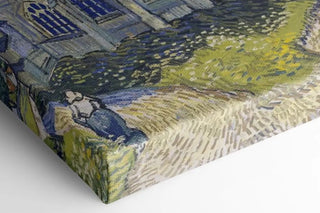
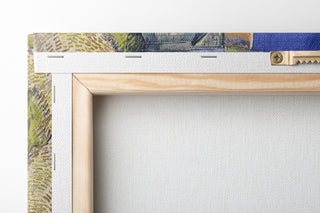
View from behind
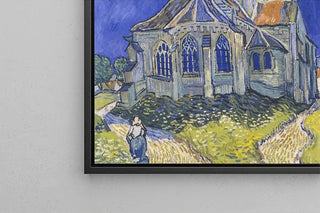
Frame (optional)
In the shimmering universe of Rococo painting, "Le concert amoureux" by Jean-Baptiste Pater stands out for its elegance and lightness. This artwork, which evokes the sweetness of romantic pleasures, transports the viewer into a world where music and love intertwine harmoniously. Through this intimate scene, Pater captures a fleeting moment, where the protagonists seem suspended in time, engaged in a delicate dance between melody and passion. The artist, a pupil of Antoine Watteau, succeeds in conveying an atmosphere of celebration and conviviality, typical of the Rococo period, while inviting a deep contemplation of human nature.
Style and uniqueness of the work
Jean-Baptiste Pater's style is characterized by a palette of vivid colors and dynamic compositions, where figures are often depicted in graceful, flowing poses. In "Le concert amoureux," the use of light plays a fundamental role, illuminating the faces of the characters and creating a play of shadows that adds depth to the scene. The details of the costumes, adorned with delicate embroidery, reflect the refined taste of the era. Every element, from the lush decor to the expressions of the characters, contributes to the overall harmony of the piece. This painting, while celebrating sensual pleasures, also evokes a certain nostalgia—a quest for the ideal love that transcends time. Pater, through his keen sense of observation, manages to immortalize these fleeting moments, inviting the viewer to feel the intensity of human emotions.
The artist and his influence
Jean-Baptiste Pater, born in 1695, is often regarded as one of the leading representatives of the Rococo style in France. Raised in the shadow of master Antoine Watteau, he develops a style that is uniquely his own, while incorporating the characteristic elements of celebration and nature. Watteau's influence is evident in his works, but Pater manages to infuse a lightness and joie de vivre that are distinctly his. As a painter of genre scenes, he focuses on everyday life and
Painting The Amorous Concert - Jean-Baptiste Pater | Art print

-10% FROM €95 IN PURCHASES
-15% FROM €195 IN PURCHASES
Regular price
- Unit price
- per
Tax included.
Free shipping
€4.90 / Free shipping on orders over €39
Satisfied or Money Back
Free returns within 30 days
10-year warranty
Our prints are guaranteed for 10 years
Any questions? We are here!
by email to contact@artemlegrand.com
THE STEPS OF YOUR ORDER

STEP 1 - ORDER PLACED
Your order has been confirmed and we are starting production
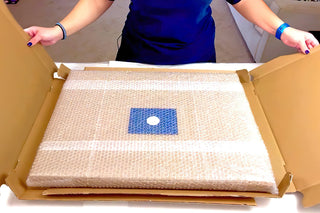
STEP 2 - SHIPPING
We ship your order. We send you an email to track the progress

STEP 3 - DELIVERY
You receive your order. You can also, according to your choice, be delivered to a relay point.
Matte finish
View from behind
Frame (optional)
In the shimmering universe of Rococo painting, "Le concert amoureux" by Jean-Baptiste Pater stands out for its elegance and lightness. This artwork, which evokes the sweetness of romantic pleasures, transports the viewer into a world where music and love intertwine harmoniously. Through this intimate scene, Pater captures a fleeting moment, where the protagonists seem suspended in time, engaged in a delicate dance between melody and passion. The artist, a pupil of Antoine Watteau, succeeds in conveying an atmosphere of celebration and conviviality, typical of the Rococo period, while inviting a deep contemplation of human nature.
Style and uniqueness of the work
Jean-Baptiste Pater's style is characterized by a palette of vivid colors and dynamic compositions, where figures are often depicted in graceful, flowing poses. In "Le concert amoureux," the use of light plays a fundamental role, illuminating the faces of the characters and creating a play of shadows that adds depth to the scene. The details of the costumes, adorned with delicate embroidery, reflect the refined taste of the era. Every element, from the lush decor to the expressions of the characters, contributes to the overall harmony of the piece. This painting, while celebrating sensual pleasures, also evokes a certain nostalgia—a quest for the ideal love that transcends time. Pater, through his keen sense of observation, manages to immortalize these fleeting moments, inviting the viewer to feel the intensity of human emotions.
The artist and his influence
Jean-Baptiste Pater, born in 1695, is often regarded as one of the leading representatives of the Rococo style in France. Raised in the shadow of master Antoine Watteau, he develops a style that is uniquely his own, while incorporating the characteristic elements of celebration and nature. Watteau's influence is evident in his works, but Pater manages to infuse a lightness and joie de vivre that are distinctly his. As a painter of genre scenes, he focuses on everyday life and
12,34 €