
Painting Study of a Tronie of a Head by Philo of Alexandria - Paulus Lesire | Art print


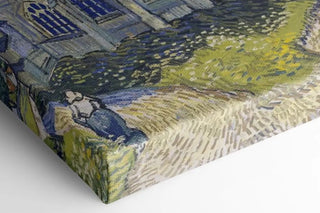
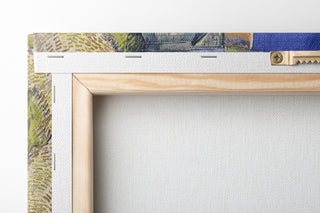
View from behind
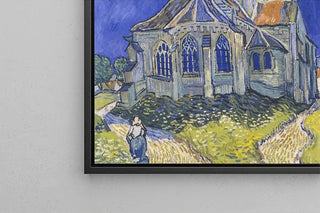
Frame (optional)
The work titled "Study of a Tronie of a Head of Philo of Alexandria" by Paulus Lesire presents itself as an open window into the spirit of the Renaissance. This period, marked by a revival of arts and sciences, gave birth to masterpieces that continue to inspire and amaze. Lesire, a 17th-century Flemish painter, offers us here a fascinating study, where each brushstroke seems to tell a story. The depiction of Philo of Alexandria, an emblematic figure of Hellenistic thought, evokes a dialogue between the past and the present, between philosophy and art. By contemplating this work, the viewer is invited to immerse themselves in a universe rich in meanings, where intellect and aesthetics meet.
Style and uniqueness of the work
Lesire's style is distinguished by meticulous attention to detail and remarkable mastery of light and shadow. In this study, Philo's face is rendered with striking precision, each feature revealing psychological depth. The subtle nuances of color, delicately worked, give the piece an intimate, almost spiritual atmosphere. The trompe-l'œil technique, highly prized at the time, is skillfully exploited here, creating an illusion of volume and life. Lesire manages to capture not only the physical appearance of his subject but also his intellectual essence, making this tronie an exploration of human character. The composition, carefully balanced, invites the viewer's gaze to rest on the philosopher's eyes, which seem to pierce the mysteries of existence.
The artist and his influence
Paulus Lesire, although not as well known as some of his contemporaries, managed to leave his mark on his era through his innovative approach to painting. Operating within a rich artistic context, he was influenced by the great masters of the Renaissance, while developing a personal style that is uniquely his own. His interest in historical and mythological figures reflects a deep culture and an intellectual curiosity that characterize him. Lesire's works, often imbued with symbolism, invite a
Painting Study of a Tronie of a Head by Philo of Alexandria - Paulus Lesire | Art print

-10% FROM €95 IN PURCHASES
-15% FROM €195 IN PURCHASES
Regular price
- Unit price
- per
Tax included.
Free shipping
€4.90 / Free shipping on orders over €39
Satisfied or Money Back
Free returns within 30 days
10-year warranty
Our prints are guaranteed for 10 years
Any questions? We are here!
by email to contact@artemlegrand.com
THE STEPS OF YOUR ORDER

STEP 1 - ORDER PLACED
Your order has been confirmed and we are starting production
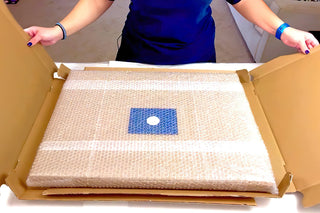
STEP 2 - SHIPPING
We ship your order. We send you an email to track the progress

STEP 3 - DELIVERY
You receive your order. You can also, according to your choice, be delivered to a relay point.
Matte finish
View from behind
Frame (optional)
The work titled "Study of a Tronie of a Head of Philo of Alexandria" by Paulus Lesire presents itself as an open window into the spirit of the Renaissance. This period, marked by a revival of arts and sciences, gave birth to masterpieces that continue to inspire and amaze. Lesire, a 17th-century Flemish painter, offers us here a fascinating study, where each brushstroke seems to tell a story. The depiction of Philo of Alexandria, an emblematic figure of Hellenistic thought, evokes a dialogue between the past and the present, between philosophy and art. By contemplating this work, the viewer is invited to immerse themselves in a universe rich in meanings, where intellect and aesthetics meet.
Style and uniqueness of the work
Lesire's style is distinguished by meticulous attention to detail and remarkable mastery of light and shadow. In this study, Philo's face is rendered with striking precision, each feature revealing psychological depth. The subtle nuances of color, delicately worked, give the piece an intimate, almost spiritual atmosphere. The trompe-l'œil technique, highly prized at the time, is skillfully exploited here, creating an illusion of volume and life. Lesire manages to capture not only the physical appearance of his subject but also his intellectual essence, making this tronie an exploration of human character. The composition, carefully balanced, invites the viewer's gaze to rest on the philosopher's eyes, which seem to pierce the mysteries of existence.
The artist and his influence
Paulus Lesire, although not as well known as some of his contemporaries, managed to leave his mark on his era through his innovative approach to painting. Operating within a rich artistic context, he was influenced by the great masters of the Renaissance, while developing a personal style that is uniquely his own. His interest in historical and mythological figures reflects a deep culture and an intellectual curiosity that characterize him. Lesire's works, often imbued with symbolism, invite a
12,34 €