
Painting Study of the Peasants - Fryderyk Pautsch | Art print


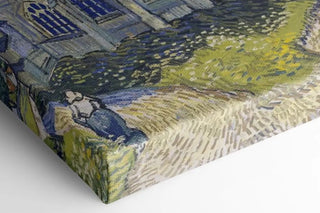
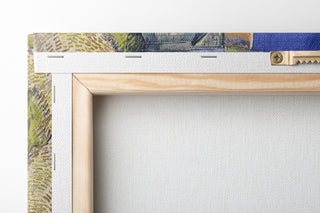
View from behind
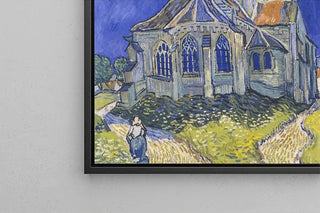
Frame (optional)
Fryderyk Pautsch's "Study of Peasants" art print stands out for its unique approach to rural life, offering an insightful look into the lives of farmers in the early 20th century. This canvas, a true testament to a bygone era, invites viewers to immerse themselves in the daily life of these men and women, often overlooked by art history. The soft light bathing the scene, the expressions of the characters, and the richness of details create an atmosphere that is both peaceful and melancholic. Contemplating this art print evokes a deep respect for the simplicity and dignity of these land workers, whose lives are illuminated with rare sensitivity.
Style and uniqueness of the work
Fryderyk Pautsch's style is characterized by a realistic and emotive representation of his subjects. In "Study of Peasants," the painter uses earthy colors and delicate nuances to evoke the warmth of the rural landscape. The characters, although frozen in their activity, seem to vibrate with palpable energy, as if engaged in a conversation with the nature surrounding them. The composition, skillfully orchestrated, draws the eye toward the center of the canvas, where one can observe the peasants in the midst of their task, symbols of relentless labor and a life in harmony with the cycles of the earth. Pautsch manages to capture not only a moment but also an atmosphere, an essence, making this work timeless and universal.
The artist and his influence
Fryderyk Pautsch, Polish painter of the early 20th century, made his mark by his commitment to depicting the daily life of the working classes. Trained in the great traditions of realistic painting, he was inspired by the masters who preceded him while developing a personal style that is uniquely his own. His work, although less known than that of some contemporaries, nonetheless had an impact on the perception of rural life in art. By highlighting peasants as worthy subjects of interest, Pautsch contributed to redefining the aesthetic standards of his time, paving the way for a deeper appreciation of rural life.
Painting Study of the Peasants - Fryderyk Pautsch | Art print

-10% FROM €95 IN PURCHASES
-15% FROM €195 IN PURCHASES
Regular price
- Unit price
- by
Free shipping
€4.90 / Free shipping on orders over €39
Satisfied or Money Back
Free returns within 30 days
10-year warranty
Our prints are guaranteed for 10 years
Any questions? We are here!
by email to contact@artemlegrand.com
THE STEPS OF YOUR ORDER

STEP 1 - ORDER PLACED
Your order has been confirmed and we are starting production
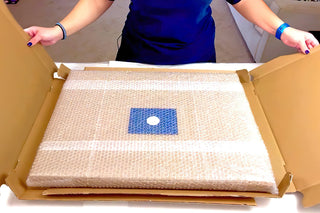
STEP 2 - SHIPPING
We ship your order. We send you an email to track the progress

STEP 3 - DELIVERY
You receive your order. You can also, according to your choice, be delivered to a relay point.
Matte finish
View from behind
Frame (optional)
Fryderyk Pautsch's "Study of Peasants" art print stands out for its unique approach to rural life, offering an insightful look into the lives of farmers in the early 20th century. This canvas, a true testament to a bygone era, invites viewers to immerse themselves in the daily life of these men and women, often overlooked by art history. The soft light bathing the scene, the expressions of the characters, and the richness of details create an atmosphere that is both peaceful and melancholic. Contemplating this art print evokes a deep respect for the simplicity and dignity of these land workers, whose lives are illuminated with rare sensitivity.
Style and uniqueness of the work
Fryderyk Pautsch's style is characterized by a realistic and emotive representation of his subjects. In "Study of Peasants," the painter uses earthy colors and delicate nuances to evoke the warmth of the rural landscape. The characters, although frozen in their activity, seem to vibrate with palpable energy, as if engaged in a conversation with the nature surrounding them. The composition, skillfully orchestrated, draws the eye toward the center of the canvas, where one can observe the peasants in the midst of their task, symbols of relentless labor and a life in harmony with the cycles of the earth. Pautsch manages to capture not only a moment but also an atmosphere, an essence, making this work timeless and universal.
The artist and his influence
Fryderyk Pautsch, Polish painter of the early 20th century, made his mark by his commitment to depicting the daily life of the working classes. Trained in the great traditions of realistic painting, he was inspired by the masters who preceded him while developing a personal style that is uniquely his own. His work, although less known than that of some contemporaries, nonetheless had an impact on the perception of rural life in art. By highlighting peasants as worthy subjects of interest, Pautsch contributed to redefining the aesthetic standards of his time, paving the way for a deeper appreciation of rural life.